

Personal Support Workers in Sydney – SADC Disability Services
Personal support workers in Sydney play a crucial role in empowering people with disability to live safely, independently, and confidently within their homes and communities. For many individuals and families, having access to compassionate, skilled, and reliable support can make the difference between simply managing daily life and truly thriving. At SADC Disability Services, our team of dedicated professionals is committed to delivering person-centred care that respects dignity, promotes independence, and strengthens wellbeing across every stage of life.
Sydney is a vibrant and diverse city, and people living with disability deserve equal opportunities to participate in community life. Personal support workers in Sydney help bridge the gap between individual capability and daily challenges by offering tailored assistance that aligns with personal goals. Whether it is support with personal care, daily routines, community engagement, or skill development, professional support workers create an environment where individuals can grow, feel valued, and maintain control over their lives.
Understanding the Role of Personal Support Workers in Sydney
What Do Personal Support Workers Do?
Personal support workers in Sydney provide hands-on assistance to individuals who require help with daily living tasks due to disability, illness, or age-related challenges. Their role is both practical and supportive, encompassing personal care, mobility assistance, household tasks, medication reminders, and companionship. Beyond these responsibilities, they also play an essential part in fostering emotional wellbeing and building trusting relationships.
Support workers assist individuals in maintaining routines that contribute to stability and comfort. They may help with morning and evening routines, preparing meals, attending appointments, or participating in social activities. By offering consistent and respectful care, personal support workers in Sydney ensure that individuals feel secure and empowered in their own environments.
The Importance of Compassion and Professionalism
Compassion is at the heart of effective disability support. Personal support workers in Sydney must demonstrate empathy, patience, and strong communication skills. Professionalism is equally important, as workers follow care plans, respect privacy, and adhere to safety standards.
At SADC Disability Services, our personal support workers understand that every participant is unique. By combining professional expertise with genuine compassion, they create meaningful connections that enhance quality of life.
Core Services Provided by Personal Support Workers in Sydney
Personal Care Assistance
One of the primary responsibilities of personal support workers in Sydney is providing personal care. This may include assistance with bathing, grooming, dressing, toileting, and hygiene routines. Maintaining personal hygiene is essential for both health and self-confidence.
Support workers approach personal care tasks with sensitivity and respect. They ensure privacy is maintained while providing practical assistance. Through consistent support, individuals can maintain comfort and dignity in their daily lives.
Assistance with Daily Living Activities
Daily living tasks such as cooking, cleaning, laundry, and grocery shopping are essential for maintaining a safe and organised home. Personal support workers in Sydney provide assistance tailored to each individual’s needs. Some participants may require full assistance, while others benefit from guided support to build independence.
Meal preparation support ensures balanced nutrition while accommodating dietary requirements. Household assistance reduces safety hazards and creates a comfortable living space. By supporting daily tasks, workers contribute to overall wellbeing and stability.
Mobility and Transfer Support
Mobility challenges can limit independence if not properly supported. Personal support workers in Sydney assist with walking, transferring from bed to chair, and using mobility aids. They are trained in safe manual handling techniques to prevent injury.
This type of assistance promotes confidence and reduces the risk of falls. With professional support, individuals can move safely within their homes and access community environments with greater ease.
Medication Reminders and Monitoring
Managing medication schedules can be complex, particularly for individuals with multiple prescriptions. Personal support workers in Sydney may provide reminders and monitor adherence to medication plans. This helps prevent missed doses and health complications.
Workers follow clear guidelines and communicate with families or healthcare professionals when necessary. Proper medication management contributes significantly to physical and mental health stability.
Community Participation and Social Support
Isolation can negatively impact mental health and overall wellbeing. Personal support workers in Sydney encourage active participation in community life. They may accompany individuals to social events, recreational programs, educational activities, or local outings.
Community participation builds confidence, enhances communication skills, and strengthens social connections. With supportive guidance, individuals can explore interests and enjoy meaningful engagement.
Person-Centred Care Approach
Individualised Support Plans
Effective support begins with understanding the individual. Personal support workers in Sydney operate within structured support plans tailored to each participant’s needs and goals. These plans are developed collaboratively with the individual, their family, and service providers.
The plan outlines specific tasks, preferred schedules, communication preferences, and long-term objectives. This structured approach ensures services remain consistent and aligned with personal aspirations.
Encouraging Choice and Control
Choice and control are fundamental principles of modern disability support. Personal support workers in Sydney encourage individuals to make decisions about their routines and activities. Rather than taking over tasks unnecessarily, workers guide participants toward greater independence.
This approach fosters self-confidence and reinforces the participant’s role as the decision-maker in their own life. Empowerment remains central to every interaction.
Respecting Cultural and Personal Values
Sydney is home to diverse communities, and support services must reflect this diversity. Personal support workers in Sydney respect cultural traditions, religious beliefs, and personal values. Understanding cultural preferences builds trust and comfort.
Cultural sensitivity training ensures that services are inclusive and respectful. By acknowledging individual backgrounds, support workers strengthen the quality of care provided.
Benefits of Personal Support Workers in Sydney
Promoting Independence and Confidence
One of the key benefits of personal support workers in Sydney is the promotion of independence. Through consistent guidance and encouragement, individuals develop skills that increase autonomy. Confidence grows as participants successfully manage daily tasks.
Independence enhances self-esteem and motivates individuals to pursue personal goals. Over time, skill development leads to greater self-reliance.
Improving Health and Safety
Professional assistance reduces the risk of accidents, medication errors, and neglected health needs. Personal support workers in Sydney follow established safety protocols and risk assessments. They ensure safe environments within the home and community.
Consistent care prevents complications and supports long-term health outcomes. Safety remains a priority in every aspect of service delivery.
Supporting Family Wellbeing
Families often play a central role in caregiving. Personal support workers in Sydney provide additional support that reduces family stress and prevents burnout. Sharing responsibilities allows families to focus on emotional connections rather than constant care tasks.
This balanced approach strengthens relationships and promotes sustainable caregiving arrangements.
Enhancing Social Inclusion
Participation in social activities contributes to emotional wellbeing. Personal support workers in Sydney facilitate engagement in community programs, local events, and recreational activities. Social inclusion reduces loneliness and fosters belonging.
Meaningful interaction improves communication skills and builds friendships. Community involvement enriches daily life.

Personal Support Workers in Sydney Across Different Age Groups
Support for Children and Young People
Children with disability may require structured assistance to manage school routines, personal care, and social development. Personal support workers in Sydney provide nurturing and age-appropriate support. They encourage learning and independence through guided practice.
Early support builds essential life skills that carry into adulthood. Families benefit from reliable assistance in balancing responsibilities.
Support for Adults
Adults living with disability may need support with employment preparation, budgeting, cooking, and community participation. Personal support workers in Sydney help adults pursue goals and maintain independence. Structured guidance enhances stability and self-confidence.
Adults are empowered to engage in meaningful activities and maintain active lifestyles.
Support for Older Individuals
Older individuals may experience increased mobility challenges or health concerns. Personal support workers in Sydney provide respectful assistance that prioritises comfort and dignity. Companionship also plays an important role in reducing isolation.
Support services adapt to changing needs, ensuring consistent care throughout life stages.
NDIS and Personal Support Workers in Sydney
Accessing Support Through NDIS
Many individuals access personal support workers in Sydney through NDIS Core Supports funding. Assistance with Daily Living is commonly included in approved plans. Funding is allocated based on assessed needs and goals.
Participants should review their plan to understand budget categories. Providers can assist in explaining funding options and arranging services accordingly.
Flexible Scheduling and Service Delivery
The NDIS framework supports flexibility and participant choice. Personal support workers in Sydney can be scheduled according to preferred times and frequency. This flexibility ensures services fit seamlessly into daily routines.
Participants retain control over selecting providers and adjusting services as needs evolve.
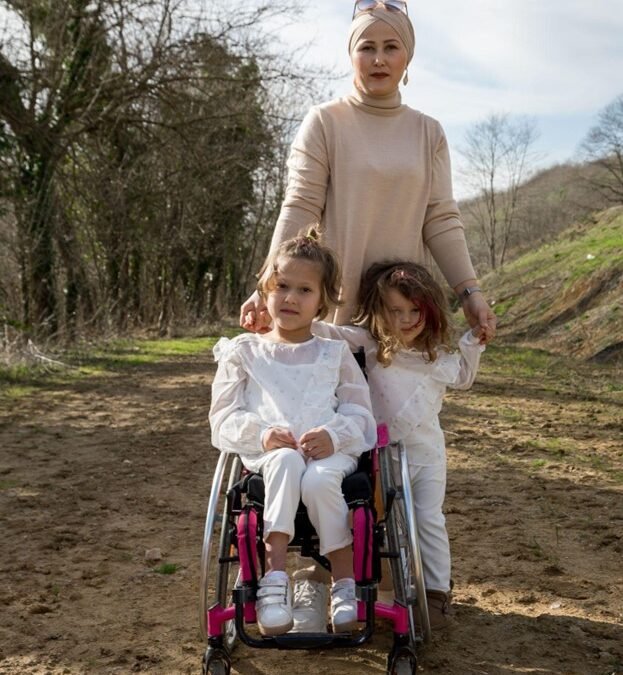
Qualities of Effective Personal Support Workers in Sydney
Professional Training and Experience
Personal support workers undergo training in disability support, communication, manual handling, and safety procedures. Continuous professional development enhances their skills and knowledge.
Experienced workers understand the complexities of disability support and adapt to diverse needs. Professional competence builds trust and reliability.
Strong Communication Skills
Clear communication fosters positive relationships. Personal support workers in Sydney listen actively and respond respectfully. Open dialogue ensures expectations are understood.
Effective communication also enables timely adjustments to care plans. Trust grows through transparency and collaboration.
Reliability and Consistency
Consistency is essential for building comfort and security. Personal support workers in Sydney prioritise punctuality and dependable service delivery. Familiar routines strengthen confidence and reduce anxiety.
Reliable support builds long-term trust between participants and workers.
Why Choose SADC Disability Services
SADC Disability Services is dedicated to providing high-quality personal support workers in Sydney who embody professionalism, empathy, and respect. Our approach focuses on person-centred care that aligns with individual goals and promotes independence.
We prioritise thorough assessments, personalised planning, and ongoing communication. Our team values dignity, cultural sensitivity, and safety in every interaction. By maintaining high standards of service delivery, we ensure participants receive consistent and compassionate support.
Building Long-Term Growth and Independence
Personal support workers in Sydney contribute to long-term development by encouraging skill-building and self-confidence. Daily guidance supports learning in practical areas such as cooking, budgeting, time management, and travel training.
Gradual progress strengthens autonomy and resilience. With the right support system, individuals can pursue education, employment, and community participation confidently.
Commitment to Safety and Compliance
Professional disability services must adhere to national quality and safeguarding standards. Personal support workers in Sydney operate within established compliance frameworks to protect participant wellbeing.
Risk assessments, documentation, and continuous monitoring ensure consistent service quality. These measures create a secure environment for growth and independence.
Strengthening Community Connections in Sydney
Sydney offers diverse cultural, recreational, and social opportunities. Personal support workers in Sydney help individuals access these experiences safely. Whether visiting community centres, parks, educational programs, or social gatherings, participants are encouraged to engage actively.
Community connection fosters belonging and purpose. Through guided participation, individuals experience the richness of city life while maintaining comfort and safety.
Conclusion
Personal support workers in Sydney play an indispensable role in empowering individuals with disability to live fulfilling and independent lives. By providing assistance with personal care, daily routines, mobility, and community participation, they create opportunities for growth, confidence, and inclusion. Families benefit from shared responsibilities and reduced stress, while participants gain meaningful support tailored to their unique goals.
At SADC Disability Services, our team of professional personal support workers in Sydney is committed to delivering compassionate, reliable, and person-centred care. We believe that every individual deserves dignity, choice, and the opportunity to thrive within their community. Through structured planning, consistent service delivery, and a strong focus on empowerment, we help transform daily support into a pathway toward independence and wellbeing.
With dedicated personal support workers in Sydney, individuals can build confidence, strengthen skills, and embrace life with greater assurance. Support is not just about assistance — it is about creating possibilities, nurturing growth, and ensuring every person feels valued and respected every day.
Get in touch
91 Belmore Rd, Riverwood NSW 2210
1300 242 492
SADC disability services
Faqs on Personal support workers in Sydney by SADC disability services:-
1. What do Personal support workers in Sydney do?
Personal support workers in Sydney provide practical and emotional assistance to individuals living with disability, illness, or age-related challenges. Their duties often include personal care, meal preparation, household tasks, medication reminders, and mobility support. They help individuals maintain daily routines and live safely at home. Beyond physical assistance, they also provide companionship and encouragement. Their goal is to promote independence while maintaining dignity. Services are tailored to each person’s needs and goals.
2. Who can benefit from personal support workers?
Children, adults, and seniors with disability can benefit from personal support workers in Sydney. Individuals recovering from illness or surgery may also require temporary support. People with mobility limitations, intellectual disabilities, or psychosocial conditions often rely on these services. Families who need additional assistance for a loved one can also benefit. Support is personalised based on the level of care required. Services aim to enhance independence and wellbeing.
3. Are personal support workers qualified professionals?
Yes, personal support workers in Sydney typically undergo relevant training in disability or community services. Many hold certifications in aged care, disability support, or individual support. They are trained in manual handling, first aid, and infection control procedures. Background checks are also conducted to ensure safety. Ongoing professional development strengthens their skills. Training ensures they deliver safe and respectful care.
4. Can personal support workers assist with personal hygiene?
Yes, personal support workers provide assistance with bathing, dressing, grooming, and toileting. They ensure privacy and dignity during all personal care tasks. This support helps individuals maintain health and self-confidence. Workers follow safe handling procedures to reduce risks. Personal preferences are respected at all times. The focus is on comfort and wellbeing.
5. Do personal support workers help with meal preparation?
Yes, they can assist with planning and preparing nutritious meals. They consider dietary needs, allergies, and cultural preferences. In some cases, they encourage individuals to participate in cooking to build skills. Meal preparation ensures balanced nutrition. Proper nutrition supports overall health. Workers maintain hygiene standards in the kitchen.
6. How do personal support workers promote independence?
They provide assistance while encouraging skill development. Instead of taking over tasks completely, they guide individuals step-by-step. Over time, participants gain confidence in managing routines. Skill-building may include budgeting, cooking, or travel training. Independence strengthens self-esteem. The aim is gradual empowerment.
7. Can personal support workers assist with medication?
Yes, they can provide medication reminders and monitor adherence. They ensure medications are taken as prescribed. While they do not prescribe medicine, they support safe management. Accurate monitoring reduces health risks. Workers communicate with families or healthcare providers when needed. Safety and compliance are prioritised.
8. Are services available under the NDIS?
Many personal support workers in Sydney provide services funded under the NDIS. Assistance with Daily Living is commonly included in eligible plans. Participants must have approved funding categories. Support must align with individual goals. Providers can explain plan details. NDIS funding offers flexibility and choice.
9. Can personal support workers provide community support?
Yes, they often accompany individuals to appointments, social events, and recreational programs. Community participation reduces isolation. It also strengthens social skills and confidence. Workers assist with transport and mobility if required. Engagement promotes emotional wellbeing. Social inclusion is encouraged.
10. Do personal support workers help with household tasks?
Yes, they assist with cleaning, laundry, and general home organisation. Maintaining a clean home supports safety and comfort. Workers may also help with grocery shopping. Some participants receive full assistance, while others are guided to complete tasks independently. A safe environment reduces accidents. Household support contributes to stability.
11. How flexible are personal support services?
Personal support workers in Sydney offer flexible scheduling. Services can be arranged daily, weekly, or occasionally. Adjustments can be made if needs change. Flexibility ensures routines are respected. Participants retain control over service times. Customisation improves satisfaction.
12. Can children receive personal support services?
Yes, children with disability can receive age-appropriate support. Workers assist with school preparation and personal care. They also encourage learning and independence. Support is delivered in a nurturing manner. Families benefit from shared responsibilities. Early assistance supports development.
13. How do personal support workers ensure safety?
They follow strict safety guidelines and risk assessments. Manual handling training reduces injury risks. Workers monitor environmental hazards. Clear communication prevents misunderstandings. Documentation ensures accountability. Safety is always prioritised.
14. Do personal support workers provide companionship?
Yes, companionship is an important aspect of their role. Social interaction reduces loneliness. Emotional support improves mental wellbeing. Workers engage in meaningful conversations and activities. Trust builds over time. Positive relationships enhance quality of life.
15. Can personal support workers help seniors?
Yes, seniors with mobility or health challenges benefit greatly. Workers assist with daily routines and provide companionship. Support helps seniors remain at home longer. Dignity and comfort are prioritised. Consistent care enhances safety. Emotional wellbeing is also supported.
16. What qualities make a good personal support worker?
Compassion, patience, and reliability are essential qualities. Strong communication skills build trust. Professional training ensures competence. Respect for diversity is important. Adaptability allows workers to meet varied needs. A caring attitude makes a difference.
17. Can personal support workers adapt to changing needs?
Yes, care plans are reviewed regularly. If circumstances change, support levels can be adjusted. Increased or reduced hours may be arranged. Flexibility ensures continued effectiveness. Open communication supports smooth transitions. Adaptability strengthens service quality.
18. Do personal support workers assist with mobility?
Yes, they help with walking, transferring, and using mobility aids. Proper techniques prevent injuries. Mobility support increases confidence. It enables access to community activities. Workers encourage safe movement. Independence improves gradually.
19. How do personal support workers respect privacy?
They maintain confidentiality at all times. Personal information is protected securely. Workers provide care discreetly. Privacy during personal tasks is ensured. Respect builds trust. Professional ethics guide service delivery.
20. Can services be short-term?
Yes, some individuals require temporary support during recovery. Short-term services provide stability during transitions. Flexible arrangements are available. Once needs decrease, services can be adjusted. Temporary support prevents unnecessary stress. It ensures continuity of care.
21. How are personal support workers matched with clients?
Providers assess compatibility and needs before assigning workers. Language and cultural preferences may be considered. Personality compatibility enhances comfort. Matching aims to build positive relationships. Feedback helps refine matches. Good alignment improves outcomes.
22. Can personal support workers assist with appointments?
Yes, they can accompany individuals to medical or therapy appointments. They provide mobility and transport assistance. Support ensures punctuality. Workers may help understand instructions. Appointment support improves health management. Stress is reduced significantly.
23. How do services reduce family stress?
Families often juggle multiple responsibilities. Professional support shares caregiving duties. Reduced pressure prevents burnout. Families gain peace of mind. Balanced caregiving strengthens relationships. Emotional wellbeing improves.
24. Do personal support workers encourage social skills?
Yes, they guide communication during community activities. Social practice builds confidence. Interaction reduces anxiety. Participants develop friendships. Structured engagement improves skills. Inclusion enhances self-esteem.
25. Are cultural preferences respected?
Yes, cultural and religious values are acknowledged. Workers receive cultural sensitivity training. Respect builds comfort and trust. Language preferences may be accommodated. Inclusive practices strengthen care quality. Diversity is valued.
26. How is progress monitored?
Support workers document daily activities and outcomes. Regular reviews assess goal achievement. Feedback from participants is encouraged. Adjustments are made when needed. Monitoring ensures consistent quality. Transparency builds accountability.
27. Can personal support workers help with budgeting?
Yes, they may assist with financial management tasks. Guidance helps develop budgeting skills. Learning practical money management builds independence. Workers encourage responsible spending habits. Support is educational rather than controlling. Financial confidence grows over time.
28. What is person-centred care?
Person-centred care focuses on individual goals and preferences. Participants are involved in decision-making. Services are tailored to lifestyle and values. Respect for autonomy is central. Support plans reflect personal aspirations. This approach empowers individuals.
29. Can personal support workers help with exercise?
Yes, they may support light physical activity as advised by professionals. Safe exercise improves mobility and strength. Workers ensure activities are appropriate. Encouragement promotes consistency. Physical wellbeing enhances independence. Safety is always considered.
30. How do personal support workers build trust?
Consistency and honesty are key. Workers communicate openly and respectfully. Reliability strengthens confidence. Empathy creates meaningful bonds. Over time, relationships deepen. Trust improves service effectiveness.
31. Can personal support workers support mental wellbeing?
Yes, emotional support is part of their role. Active listening provides comfort. Encouragement fosters positivity. Reduced isolation improves mental health. Workers recognise signs of distress. Professional referrals may be suggested if needed.
32. Are services available daily?
Yes, support can be arranged seven days a week if required. Frequency depends on funding and needs. Some individuals need daily assistance. Others require occasional support. Scheduling remains flexible. Reliability ensures consistency.
33. Do personal support workers follow care plans?
Yes, they adhere strictly to individualised care plans. Plans outline tasks and goals clearly. Consistency ensures quality service. Regular reviews keep plans relevant. Workers document progress. Structured guidance enhances outcomes.
34. How do personal support workers enhance quality of life?
They provide reliable assistance with daily tasks. Emotional support builds confidence. Community engagement fosters belonging. Safety and structure improve stability. Independence strengthens self-worth. Overall wellbeing improves significantly.
35. Why are Personal support workers in Sydney important?
Personal support workers in Sydney play a vital role in empowering individuals with disability to live fulfilling lives. They provide practical care while promoting independence and dignity. Their presence reduces family stress and enhances safety. Community participation becomes more accessible. Long-term support builds resilience and confidence. Ultimately, they create pathways toward greater inclusion and wellbeing.
Get in touch
91 Belmore Rd, Riverwood NSW 2210
1300 242 492
SADC disability services