
NDIS Social Programs in Liverpool – SADC Disability Services
NDIS Social Programs in Liverpool: NDIS social programs in Liverpool deliver vital opportunities for people with disability to engage, connect, and thrive within their local community. These programs form an essential part of a participant’s overall disability support plan, aimed at reducing social isolation, increasing confidence, building friendships, and fostering belonging. At SADC Disability Services, our NDIS social programs in Liverpool are designed around the unique strengths, goals, and interests of each participant. With a strong emphasis on person-centred planning, community engagement, and holistic wellbeing, our supports help participants live more fulfilling and socially connected lives.
NDIS social programs in Liverpool go beyond structured activities to support individuals in developing genuine connections, accessing new opportunities, and discovering meaningful experiences. Whether it’s joining a relaxed group outing, participating in a creative workshop, or accessing a community event, these programs provide structured social engagement that builds skills, confidence, and wellbeing. This detailed guide explores what NDIS social programs are, how they work, why they matter, and how SADC Disability Services delivers high-quality, personalised support to participants in the Liverpool region.
Understanding NDIS Social Programs in Liverpool
What Are NDIS Social Programs?
NDIS social programs in Liverpool refer to a range of structured activities and support initiatives funded through the National Disability Insurance Scheme (NDIS) that focus on enhancing social participation. These programs are utilised when a participant’s NDIS plan includes funding for community participation, social engagement, or capacity building in social skills. Social programs can take many forms, from group gatherings and recreational activities to community visits and interest-based clubs.
At their core, NDIS social programs help individuals experience social connection in a safe, supportive, and enjoyable context. They also offer opportunities to learn practical skills such as communication, teamwork, self-advocacy, and community navigation — all of which contribute to greater independence and improved quality of life.
The Importance of Social Inclusion
Social inclusion is a fundamental determinant of emotional wellbeing and life satisfaction. For individuals with disability, access to meaningful social interactions can reduce feelings of isolation, enhance self-esteem, and strengthen personal identity. NDIS social programs in Liverpool empower participants to engage in shared experiences, make new friends, and play an active role in their community.
By focusing on involvement rather than mere attendance, these programs encourage individuals to explore new interests, express personal preferences, and build confidence in a supportive environment.
Person-Centred Social Support
A person-centred approach lies at the heart of effective NDIS social programs in Liverpool. Rather than offering a one-size-fits-all activity schedule, SADC Disability Services tailors social programs to each participant’s unique goals, comfort levels, and aspirations. This ensures that every individual is supported in a way that respects their personality, pace, and interests.
From initial planning to ongoing participation, social supports are crafted in collaboration with the participant and their chosen network. This collaborative planning ensures that supports are meaningful, relevant, and aligned with both personal goals and NDIS objectives.
Key Components of NDIS Social Programs
Community Participation and Connection
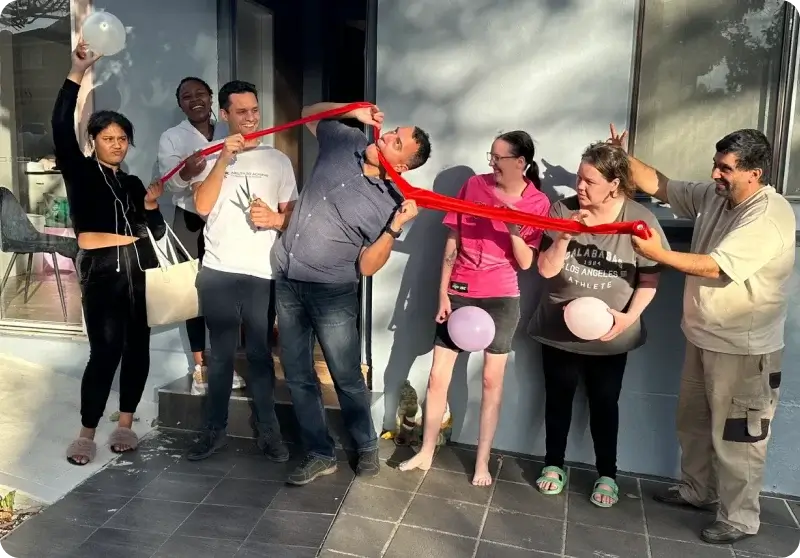
Community participation is a cornerstone of NDIS social programs in Liverpool. Participation may include attending local events, joining cultural or recreational groups, exploring parks or markets, and engaging in community-based classes. These activities encourage participants to navigate their local environment, interact with diverse groups of people, and build a sense of belonging beyond familiar spaces.
Community participation supports individuals to step outside their daily routines in a safe and supported way. Through guided exploration, participants build confidence in social settings while strengthening their familiarity with the Liverpool region and surrounding areas.
Group Activities and Social Clubs
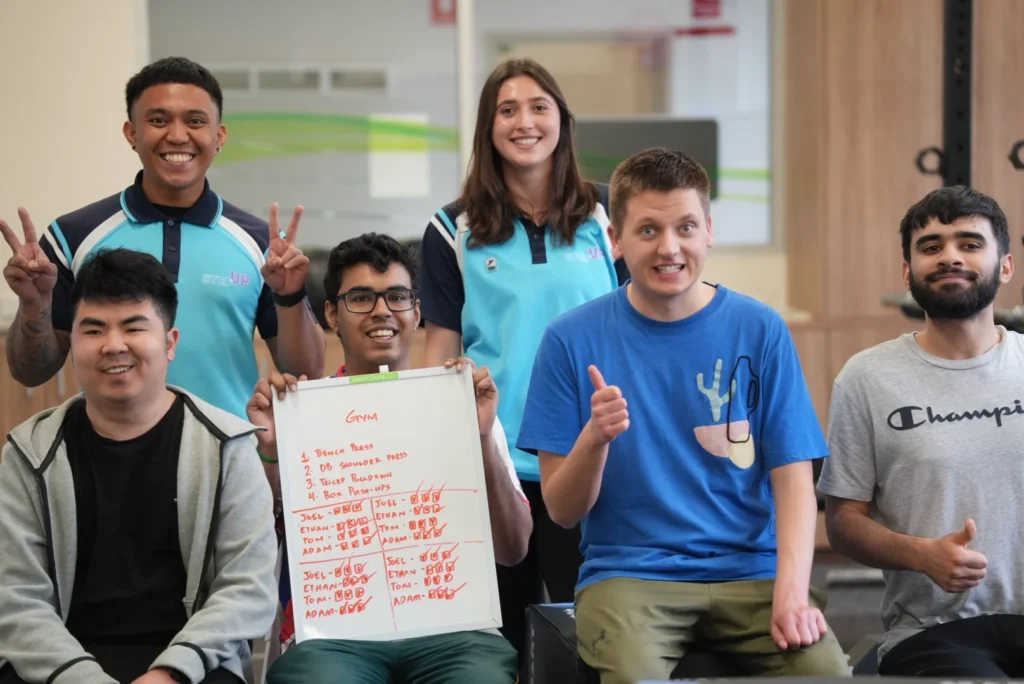
Group activities are central to many NDIS social programs in Liverpool. These activities might include interest-based clubs such as arts and crafts, sports and fitness groups, dance and music classes, cooking and social skills workshops, or hobby-focused gatherings.
Group settings offer multiple layers of social learning. Participants get to practice communication, turn-taking, active listening, and cooperative behaviour while forming connections with peers who share similar interests. For many individuals, these group experiences become a highlight of their week — a place where they feel understood, supported, and socially included.
Skill Building and Capacity Development
NDIS social programs are not only about fun and connection; they also play a vital role in building capacity. Through participation in structured activities, individuals develop practical social skills, emotional regulation, problem-solving abilities, and self-advocacy.
For example, attending a community art group might help a participant practice expressing preferences, managing transitions, or following sequential instructions. Similarly, joining a social club might help improve conversational skills or build confidence in new environments.
By embedding skill development into enjoyable and meaningful activities, social programs help participants grow in a way that feels natural and empowering.
One-on-One and Group Support Options
NDIS social programs in Liverpool can be delivered in group settings or through individualised support, depending on the participant’s needs and preferences. Some individuals thrive in group environments and enjoy shared experiences, while others may benefit from more focused one-on-one support to build confidence before feeling comfortable in larger groups.
SADC Disability Services offers both modes of support, ensuring that every participant has access to programs that suit their social comfort levels and personal goals. Whether it’s accompanying a person to a community event or leading a small group activity, supports are flexible and responsive to individual needs.
How NDIS Social Programs Work
Goal Setting and Planning
The first step in participating in NDIS social programs in Liverpool is understanding the participant’s goals. This involves collaborative conversations between the participant, their support network, and SADC Disability Services. Goal setting helps identify what the individual hopes to achieve through social participation — whether it’s building friendships, improving communication, exploring new hobbies, or simply having fun in new environments.
Once goals are identified, a tailored social support plan is developed. This plan outlines the types of activities, frequency of participation, level of staff support, and any adjustments needed to ensure comfort and engagement.
Linking with NDIS Plans
Social programs are funded through specific categories within a participant’s NDIS plan, most commonly under “Core Supports” or “Capacity Building – Social and Community Participation.” The type and amount of funding determine how often and in what capacity a participant can access social programs.
SADC Disability Services helps participants and families understand how to utilise their NDIS funding effectively for social participation — ensuring supports align with both personal goals and funding guidelines.
Support Worker Role
Support workers play a vital role in facilitating social programs. They act as guides, encouragers, and companions, helping participants navigate group dynamics, new routines, and community environments. Support workers receive training in communication strategies, positive behaviour support, safety protocols, and person-centred facilitation.
During activities, support workers help participants express themselves, interact with others, and practise social skills in real settings. Their role is to provide encouragement while promoting autonomy and confidence.
Monitoring Progress and Reviewing Goals
Participation in social programs is regularly reviewed to ensure it remains beneficial, engaging, and aligned with the participant’s goals. Reviews involve assessing progress, identifying new interests or challenges, and adjusting activities as needed. This ongoing review process ensures that social supports evolve with the participant’s development and changing aspirations.
Benefits of NDIS Social Programs in Liverpool
Reducing Social Isolation
One of the most significant benefits of NDIS social programs in Liverpool is the reduction of social isolation. For many individuals with disability, opportunities for social interaction may be limited due to barriers such as communication challenges, anxiety, or lack of access to suitable activities. Social programs provide safe, structured opportunities to connect with others and build meaningful relationships.
Regular social engagement helps participants feel less alone, more understood, and more connected to their community. Over time, this can lead to greater emotional wellbeing and a stronger sense of belonging.
Enhancing Confidence and Self-Esteem
Participation in social programs encourages individuals to step outside their comfort zones, try new experiences, and achieve personal milestones. These experiences build confidence, self-esteem, and a sense of capability. Whether it’s successfully joining a conversation, completing a group activity, or attending an event independently, each accomplishment boosts confidence.
Confidence gained through social participation often carries over into other areas of life, such as work, education, or personal routines.
Building Communication and Interpersonal Skills
Social programs provide practical opportunities for individuals to practise communication, collaborative problem-solving, active listening, and non-verbal expression. These skills are nurtured in real life contexts where participants interact with peers and facilitators. Over time, consistent participation supports improvements in interpersonal skills that are transferable to daily life, family interactions, and community involvement.
Promoting Independence and Choice
Being part of NDIS social programs in Liverpool encourages participants to make choices, express preferences, and advocate for themselves. Choosing which activity to join, when to participate, and how to engage are all opportunities for self-determination. Support workers help participants understand their options, explore interests, and trust their decisions. This sense of personal agency contributes to greater independence and confidence.
Supporting Emotional Wellbeing
Social inclusion has a powerful impact on emotional wellbeing. Positive interactions, shared laughter, routine engagement, and meaningful relationships all contribute to improved mood and reduced stress. Participants often report higher levels of satisfaction, fulfilment, and self-confidence when they are part of regular social programs. These emotional benefits ripple into other areas of life, strengthening overall quality of life.
Types of NDIS Social Programs in Liverpool
Community Outings and Local Participation
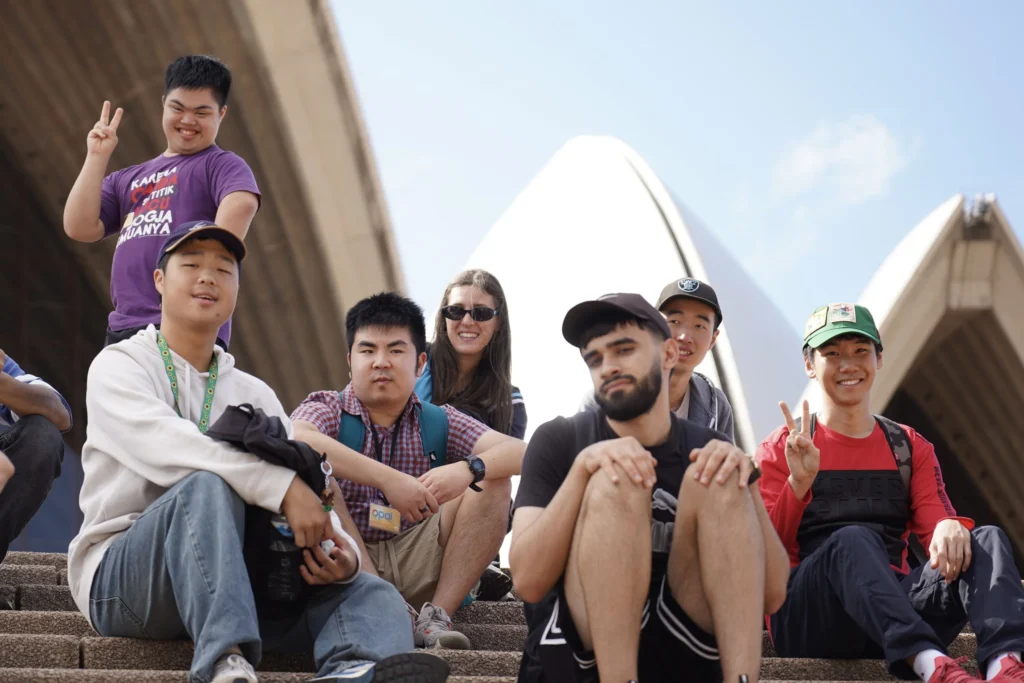
Community outings allow participants to explore local spaces such as parks, markets, cultural events, or recreational facilities. These outings help individuals become familiar with shared environments, practise navigation skills, and feel integrated into community life. Whether it’s a group visit to a local café or a cultural event in Liverpool, community outings encourage social engagement in familiar and supportive surroundings.
Creative and Recreational Workshops
Creative and recreational workshops are joyful and engaging spaces where participants can express themselves, learn new skills, and connect with others who share similar interests. Workshops can include art, music, dance, drama, cooking, gardening, or hobby-focused groups. These activities not only spark creativity but also promote collaboration and shared accomplishment.
Social Clubs and Interest Groups
Social clubs bring together participants with shared passions or interests, creating a natural foundation for connection. Whether it’s a book club, movie discussion group, board games club, or fitness group, shared interests make it easier for participants to form friendships and practise social skills. SADC Disability Services supports the formation and facilitation of interest-based groups that strengthen connection and community participation.
Skill-Focused Sessions
Skill-focused sessions help participants build specific abilities such as communication, social confidence, problem-solving, emotional regulation, and teamwork. These sessions blend structured learning with fun and interactive activities. Skill development is integrated into real social contexts, making learning practical, relevant, and enjoyable.
Community Events and Inclusive Programs
Liverpool hosts a vibrant range of local events, cultural celebrations, festivals, and community activities. NDIS social programs can include supported participation in these events to foster a deeper sense of belonging and local connection. Attending community events exposes participants to diverse experiences, broadening their social networks and community involvement.
Supporting Diverse Social Needs
Respect for Individual Comfort Levels
Not all participants feel comfortable jumping straight into large groups. Some individuals may require gradual exposure, smaller group sizes, or one-on-one support before engaging in larger social settings. NDIS social programs in Liverpool respect individual comfort levels and offer flexible pathways to participation. Whether through personalised support or gradual integration, programs adapt to ensure comfort and confidence.
Culturally Inclusive Programs
Liverpool is a culturally diverse community, and social programs must reflect and celebrate this diversity. SADC Disability Services ensures programs are culturally sensitive and inclusive, respecting language preferences, cultural traditions, and diverse social expressions. Inclusive programming strengthens belonging and ensures that participants from all backgrounds feel welcomed and understood.
Supporting Social Anxiety and Communication Challenges
Many individuals with disability experience anxiety or communication challenges in social settings. NDIS social programs in Liverpool provide safe spaces to practise coping strategies, express feelings, and learn supportive communication techniques. Support workers help participants navigate social boundaries, recognise emotional cues, and develop skills for comfortable interaction. These tailored supports make social engagement more accessible and positive.
The Role of Support Workers in Social Programs
Skilled Facilitation and Encouragement
Support workers are key to successful social participation. They facilitate group dynamics, encourage engagement, model communication strategies, and ensure each participant feels included. Skilled facilitation means recognising individual needs, guiding interactions respectfully, and celebrating personal achievements. Support workers also help participants prepare for activities, manage transitions, and reflect on experiences.
Guided Reflection and Feedback
After social activities, guided reflection helps participants recognise achievements, identify what felt enjoyable, and notice areas of growth. Reflective conversations reinforce learning and help participants feel proud of their progress. Support workers use feedback to tailor future supports and refine activities that best support individual goals.
Building Trust and Consistency
Consistent support from familiar staff fosters trust and comfort. When participants feel safe with support workers, they are more likely to take social risks, try new activities, and stay engaged. Trust is central to building confidence and encouraging long-term participation in social programs.
Measuring Success in NDIS Social Programs
Personal Growth and Confidence
One of the most meaningful indicators of success in social programs is increased confidence and personal growth. Participants may feel more comfortable speaking in group settings, expressing preferences, initiating conversations, or joining new activities. These behavioural shifts reflect growing independence and social comfort.
Skill Development Outcomes
Skill development outcomes include improvements in communication, emotional regulation, social problem-solving, teamwork, and community navigation. These skills are observed in real contexts — from group conversations to community outings. Documenting skill growth helps refine support plans and drive future goals.
Meaningful Participation
Meaningful participation means the individual feels engaged, valued, and connected — not merely present. When participants express enjoyment, feel listened to, build relationships, and choose to return to activities, it demonstrates true social inclusion. Meaningful participation is at the heart of effective NDIS social programs in Liverpool.
Participant and Family Feedback
Feedback from participants and families offers valuable insight into what’s working well and where adjustments are needed. Open communication supports continuous improvement and ensures that social programs remain responsive to changing needs and preferences.
Planning for NDIS Social Participation
Integrating Social Goals in NDIS Plans
Social goals should be clearly reflected in a participant’s NDIS plan if social participation is a priority. These goals can relate to community involvement, relationship building, skill development, confidence building, or participation in local events. SADC Disability Services works collaboratively with participants and families to incorporate meaningful social goals into NDIS planning.
Flexible and Adaptive Support Strategies
Social participation needs may change over time, and support strategies should adapt accordingly. Flexible planning helps participants stay engaged at their comfort level while gradually expanding their social confidence. Adaptive support ensures that programs remain relevant and impactful as needs evolve.
Collaborative Decision-Making
Participants play an active role in choosing their social activities, preferred group sizes, support intensity, locations, and activity types. Collaborative decision-making honours participant autonomy and ensures that social participation reflects personal choice and preference.
Long-Term Impact of NDIS Social Programs
Strengthening Wellbeing
Long-term participation in social programs contributes to enhanced emotional wellbeing, reduced loneliness, and stable routines. Participants gain confidence, form relationships, and feel valued within their community. These outcomes nurture mental health and overall life satisfaction.
Building Community Connections
Sustained involvement in social programs strengthens connections within the wider Liverpool community. Participants may form friendships, join local groups, volunteer, or even take on leadership roles within community settings. These community ties enrich lives and foster a deeper sense of belonging.
Supporting Lifelong Participation
NDIS social programs encourage lifelong learning, engagement, and exploration. Social participation is not only relevant for immediate wellbeing but also supports long-term life goals, identity development, and personal fulfilment.
Why Choose SADC Disability Services for NDIS Social Programs
SADC Disability Services delivers high-quality, person-centred NDIS social programs in Liverpool that respect individual choice, build confidence, and promote meaningful engagement. Our approach blends structured planning, professional support workers, flexible options, and community focus to ensure every participant feels included and valued. With strong collaboration, cultural inclusivity, and a deep commitment to participant growth, SADC Disability Services supports lifelong social participation and community involvement in Liverpool.
Conclusion
NDIS social programs in Liverpool hold the power to transform lives by providing structured opportunities for connection, growth, and community participation. When designed around personal goals and delivered with care, these programs help participants build friendships, enhance skills, reduce isolation, and feel truly included. Through personalised planning, supportive facilitation, and ongoing reflection, SADC Disability Services ensures that social participation is not only enjoyable but also deeply meaningful — helping individuals live confident, connected, and fulfilling lives within their community.
Get in touch
91 Belmore Rd, Riverwood NSW 2210
1300 242 492
SADC disability services
Faqs on NDIS Social Programs in Liverpool:-
1. What are NDIS social programs in Liverpool?
NDIS social programs in Liverpool are structured community activities designed to help NDIS participants build friendships, improve social skills, and stay active in the community. These programs can include group outings, skill-building workshops, recreational activities, and social clubs. They support confidence and reduce isolation for people living with disability. SADC Disability Services provides tailored programs based on individual goals and interests.
2. Who can access NDIS social programs in Liverpool?
Any NDIS participant who has funding for community participation or capacity building may be eligible to access NDIS social programs in Liverpool. These programs are suitable for individuals with physical disabilities, intellectual disabilities, autism, psychosocial disabilities, and more. Participants of all ages can join depending on their plan and needs. SADC Disability Services ensures the supports match the participant’s goals and comfort level.
3. How do NDIS social programs support participants in Liverpool?
NDIS social programs in Liverpool support participants by providing safe environments where they can meet others and engage in meaningful activities. Participants develop confidence, communication skills, and independence through regular involvement. These programs also encourage community inclusion and emotional wellbeing. Over time, participants often feel more connected and empowered in everyday life.
4. What types of activities are included in NDIS social programs?
NDIS social programs in Liverpool can include group outings, park visits, café trips, movie days, arts and crafts, cooking sessions, and sports activities. Some programs focus on skill development such as communication and teamwork. Activities are chosen based on participant interests and abilities. SADC Disability Services ensures activities remain fun, engaging, and inclusive.
5. Can NDIS social programs help reduce loneliness and isolation?
Yes, NDIS social programs in Liverpool are highly effective in reducing loneliness and isolation. Participants get regular opportunities to interact with peers and form meaningful relationships. Being involved in group activities helps individuals feel included and valued. This also improves mental health and emotional wellbeing over time.
6. Are NDIS social programs suitable for participants with autism?
Yes, NDIS social programs in Liverpool are very beneficial for participants with autism. These programs provide structured social environments that encourage communication and interaction. Support workers help participants manage sensory needs and social anxiety. Programs can be adapted to suit individual routines and preferences.
7. Do NDIS social programs in Liverpool help improve communication skills?
Yes, many NDIS social programs naturally improve communication skills through regular interaction. Participants practise conversation, listening, turn-taking, and expressing preferences. Support workers guide participants gently and help build confidence. Over time, participants often become more comfortable speaking and engaging socially.
8. Can NDIS social programs help participants build friendships?
Yes, building friendships is one of the most important benefits of NDIS social programs in Liverpool. Regular participation creates opportunities for participants to meet people with shared interests. Support workers help participants interact positively and maintain connections. Friendships built through these programs often become long-term and meaningful.
9. How does SADC Disability Services personalise NDIS social programs?
SADC Disability Services personalises NDIS social programs in Liverpool by understanding the participant’s goals, interests, and support needs. Programs are matched to the individual’s personality and preferred activities. Support workers adjust the level of assistance based on confidence and ability. This ensures the participant enjoys the program while making real progress.
10. Are group programs available under NDIS social programs?
Yes, group programs are a major part of NDIS social programs in Liverpool. Group activities allow participants to socialise, practise teamwork, and learn from others. These programs also promote community inclusion and shared enjoyment. SADC Disability Services ensures group environments remain supportive, respectful, and safe.
11. Are one-on-one social supports available in Liverpool?
Yes, one-on-one support is available for participants who prefer individual social engagement. Some people feel overwhelmed in groups and benefit from personalised outings. One-on-one supports help participants build confidence gradually. SADC Disability Services can provide individual community access and social participation supports.
12. How often can participants attend NDIS social programs in Liverpool?
The frequency depends on the participant’s NDIS plan funding and personal goals. Some participants attend once a week, while others join multiple times weekly. Supports can also be flexible depending on family needs and schedules. SADC Disability Services offers adaptable options to suit different lifestyles.
13. Are NDIS social programs suitable for teenagers in Liverpool?
Yes, teenagers can greatly benefit from NDIS social programs in Liverpool. Programs help teens develop independence, confidence, and social communication skills. Activities may include community outings, group workshops, and youth-focused programs. These supports also prepare teenagers for adulthood and future responsibilities.
14. Are NDIS social programs helpful for adults in Liverpool?
Yes, adults can join NDIS social programs in Liverpool to improve social confidence and reduce isolation. Adult-focused programs may include community outings, life skills sessions, and group social clubs. These supports promote independence and wellbeing. They also help adults stay active and involved in community life.
15. Do NDIS social programs support participants with intellectual disability?
Yes, NDIS social programs in Liverpool support participants with intellectual disability through structured and inclusive activities. Programs focus on communication, daily life skills, and community involvement. Support workers provide guidance and encouragement to help participants engage confidently. Activities are adapted to suit different learning styles and abilities.
16. Can NDIS social programs include skill-building activities?
Yes, many NDIS social programs in Liverpool include skill-building as part of social participation. Activities can develop communication, decision-making, budgeting, cooking, and community safety skills. Learning is done in a practical and enjoyable way. This helps participants become more independent over time.
17. How does community participation help NDIS participants?
Community participation helps participants feel connected to their local area and improve confidence in public settings. It also builds independence by teaching navigation, social interaction, and routine planning. Community engagement reduces isolation and supports emotional wellbeing. NDIS social programs in Liverpool are designed to encourage active participation in local life.
18. What is the role of support workers in social programs?
Support workers help participants engage safely and confidently in activities. They encourage communication, support social interaction, and assist with transport or personal needs if required. Support workers also help manage anxiety or behavioural challenges. Their goal is to build independence while ensuring participants feel supported.
19. Are NDIS social programs in Liverpool culturally inclusive?
Yes, quality NDIS social programs in Liverpool are designed to be culturally respectful and inclusive. SADC Disability Services recognises Liverpool’s multicultural community and supports participants from diverse backgrounds. Activities can be adapted to respect cultural preferences and language needs. This ensures participants feel comfortable and welcomed.
20. Can participants choose their preferred activities?
Yes, participants are encouraged to choose activities based on their interests and goals. NDIS social programs in Liverpool should always be person-centred and choice-driven. Participants may select outings, hobbies, and group programs they enjoy. SADC Disability Services supports participants in making choices confidently.
21. Do NDIS social programs help with confidence building?
Yes, confidence building is one of the strongest outcomes of NDIS social programs in Liverpool. Participants gain confidence through new experiences, social interactions, and achieving personal goals. Support workers provide encouragement and positive reinforcement. Over time, participants feel more comfortable in public and social settings.
22. Can NDIS social programs help with anxiety in social situations?
Yes, social programs can help reduce anxiety by providing structured routines and supportive environments. Support workers guide participants gradually through new experiences and help manage stress. Participants learn coping techniques and social confidence strategies. This makes community participation less overwhelming and more enjoyable.
23. Are outings included in NDIS social programs?
Yes, outings are a common part of NDIS social programs in Liverpool. Outings may include trips to shopping centres, parks, cafés, museums, or local events. These outings encourage participants to explore the community safely. They also provide opportunities to practise communication and independence.
24. Can NDIS social programs support daily living independence?
Yes, social programs often include activities that build daily living independence. Participants may practise shopping, budgeting, meal preparation, and public transport skills. These skills are developed in real-life settings to make learning practical. Over time, participants become more capable of managing daily tasks independently.
25. Do NDIS social programs support emotional wellbeing?
Yes, NDIS social programs in Liverpool support emotional wellbeing by providing connection, routine, and enjoyment. Participants often feel happier and more confident when they have regular social engagement. Social inclusion reduces feelings of isolation and improves self-esteem. Positive relationships formed through these programs also strengthen mental health.
26. Are NDIS social programs safe for participants with high support needs?
Yes, participants with high support needs can still safely join NDIS social programs in Liverpool. Supports are adjusted based on mobility, medical needs, and communication requirements. Support workers provide close supervision and assistance where needed. Safety planning ensures activities remain accessible and comfortable.
27. Can social programs include exercise and fitness activities?
Yes, fitness and exercise activities can be included in NDIS social programs in Liverpool. Participants may join walking groups, light sports activities, swimming sessions, or indoor fitness programs. Physical activity supports health, confidence, and emotional wellbeing. These activities also provide great opportunities for social interaction.
28. Can NDIS social programs help participants learn teamwork?
Yes, group-based activities naturally help participants develop teamwork skills. Participants practise sharing, cooperation, patience, and supporting others. Support workers guide positive interaction and conflict resolution when needed. These teamwork skills are useful for employment, education, and everyday life.
29. How do NDIS social programs help with community confidence?
Community confidence grows when participants repeatedly engage in local environments and learn how to manage routines. Participants practise interacting with staff in shops, ordering food, and navigating public spaces. Support workers provide reassurance and step-by-step guidance. Over time, participants feel more independent and capable.
30. Are social programs available during weekends in Liverpool?
Yes, some NDIS social programs in Liverpool may be available on weekends depending on provider scheduling. Weekend supports are helpful for participants who have weekday commitments such as school or work. SADC Disability Services offers flexible scheduling options where possible. This ensures participants can access supports when it suits them best.
31. Can NDIS social programs help participants develop hobbies?
Yes, developing hobbies is a key benefit of NDIS social programs in Liverpool. Participants can explore art, music, cooking, sports, or community events. Trying different activities helps participants discover what they enjoy and build personal identity. Hobbies also create opportunities for friendships and long-term engagement.
32. How can families benefit from NDIS social programs?
Families benefit because participants become more engaged, independent, and socially active. Social programs reduce the pressure on families to provide constant entertainment and support. Families also feel reassured knowing their loved one is included and supported. Over time, improved confidence and wellbeing positively impact the entire household.
33. Can NDIS social programs help participants prepare for employment?
Yes, many social programs help participants develop skills relevant to employment. This includes communication, teamwork, time management, confidence, and problem-solving. Participants learn how to interact with others appropriately in group environments. These skills are valuable when transitioning into training or workplace opportunities.
34. What funding category covers NDIS social programs in Liverpool?
NDIS social programs are usually funded under Core Supports (Assistance with Social and Community Participation) or Capacity Building supports. The specific category depends on the participant’s plan goals and funding allocation. SADC Disability Services can help participants understand how their plan can be used. This ensures funding is used effectively and correctly.
35. How do I get started with NDIS social programs in Liverpool through SADC Disability Services?
To get started, you can contact SADC Disability Services and discuss your NDIS plan, goals, and preferred activities. The team will help match you with suitable social programs and support workers. A personalised plan will be created to ensure you feel comfortable and supported. Once started, progress is reviewed regularly to ensure the program continues meeting your needs.
Get in touch
91 Belmore Rd, Riverwood NSW 2210
1300 242 492
SADC disability services