Table of Contents
Down Syndrome Support in Campbelltown: SADC Disability Services
Understanding Down Syndrome and the Importance of Local Support
Down Syndrome Support in Campbelltown: Down syndrome support in Campbelltown is essential for individuals and families seeking compassionate, practical, and empowering assistance across all stages of life. Down syndrome is a genetic condition caused by an extra chromosome, which can influence learning, communication, physical development, and health. While these characteristics are part of the condition, every person with Down syndrome is unique, with their own strengths, interests, personality, and aspirations. High-quality Down syndrome support in Campbelltown focuses on recognising individuality, nurturing potential, and promoting inclusion in everyday life.
Families in Campbelltown often value services that understand local communities, cultural diversity, and the realities of daily life. Down syndrome support in Campbelltown at SADC Disability Services is designed to respond to these needs with flexibility, respect, and genuine care. Our goal is to help individuals with Down syndrome live meaningful, confident, and connected lives within their community.
The SADC Disability Services Philosophy
At SADC Disability Services, our approach to Down syndrome support in Campbelltown is grounded in person-centred practice. This means every individual is supported according to their goals, preferences, abilities, and life circumstances. We take time to understand what matters most to the person and their family, ensuring support feels relevant, respectful, and empowering.
Down syndrome support in Campbelltown is not static. Needs and goals change over time, and our services adapt accordingly. Whether supporting a young child developing early skills or an adult building independence, SADC Disability Services delivers consistent, flexible, and holistic support that evolves with each stage of life.
Early Childhood Development and Support
Early childhood is a critical time for growth, learning, and confidence building. Down syndrome support in Campbelltown during these early years focuses on developing foundational skills that support long-term wellbeing. SADC Disability Services works closely with families to create nurturing environments where children can explore, learn, and develop at their own pace.
Our early childhood Down syndrome support in Campbelltown may focus on communication development, play skills, motor coordination, emotional regulation, and social interaction. Families are supported with guidance and strategies that can be used at home, helping children practise skills naturally within everyday routines. This collaborative approach strengthens family confidence and supports consistent development.

Supporting Learning and Education
Education plays a significant role in the lives of individuals with Down syndrome. Down syndrome support in Campbelltown aims to help children and young people engage positively with learning environments, whether in early learning settings, schools, or alternative education pathways. SADC Disability Services supports participation, confidence, and communication within educational settings.
Our Down syndrome support in Campbelltown helps individuals develop attention skills, routine management, emotional regulation, and social understanding in the classroom. We work alongside families and educators to promote inclusion, reduce barriers to learning, and encourage positive educational experiences. Supporting both academic and social development helps individuals feel capable, valued, and motivated to learn.
Communication Development and Expression
Communication is central to connection, independence, and self-expression. Down syndrome support in Campbelltown places strong emphasis on helping individuals develop effective communication skills. While speech and language development may progress at a different pace, individuals with Down syndrome can learn to communicate meaningfully with the right support.
SADC Disability Services focuses on practical, everyday communication as part of Down syndrome support in Campbelltown. This includes expressing needs, making choices, participating in conversations, and building relationships. Communication strategies are embedded into daily activities, helping individuals practise skills in real-life situations that matter to them.
Social Skills and Relationship Building
Social connection is a key element of quality of life. Down syndrome support in Campbelltown supports individuals to build friendships, engage in group activities, and develop confidence in social settings. Social skills are not taught in isolation but through meaningful interactions, shared activities, and guided experiences.
Our Down syndrome support in Campbelltown encourages positive social experiences that build understanding of social cues, turn-taking, cooperation, and empathy. By supporting individuals to feel comfortable and confident around others, we help strengthen relationships and foster a sense of belonging within the community.
Daily Living Skills and Growing Independence
Independence is a common goal within Down syndrome support in Campbelltown. SADC Disability Services supports individuals to develop daily living skills that promote autonomy, confidence, and self-esteem. These skills may include personal care, dressing, meal preparation, household tasks, and managing daily routines.
Our approach to Down syndrome support in Campbelltown focuses on practical, achievable steps that align with the individual’s abilities and goals. Skills are taught through repetition, encouragement, and positive reinforcement, allowing individuals to build competence at their own pace. Increased independence often leads to greater confidence and a stronger sense of personal achievement.

Supporting Teenagers Through Change and Growth
Adolescence is a time of significant change, and Down syndrome support in Campbelltown must adapt to meet the evolving needs of teenagers. Physical development, emotional changes, social expectations, and growing independence can all present new challenges and opportunities.
SADC Disability Services provides Down syndrome support in Campbelltown that helps teenagers develop life skills, emotional regulation, and social confidence. We encourage self-expression, decision-making, and responsibility while maintaining appropriate guidance and support. This balanced approach helps teenagers navigate adolescence with resilience, confidence, and a positive sense of identity.
Preparing for Adulthood and Future Pathways
Transitioning into adulthood is an important phase of Down syndrome support in Campbelltown. As individuals move beyond school years, goals often shift toward independence, employment, community participation, and meaningful daily routines. SADC Disability Services supports individuals and families through this transition with thoughtful planning and skill development.
Our Down syndrome support in Campbelltown focuses on building practical life skills, exploring interests, and identifying future pathways that align with personal strengths and aspirations. Preparation for adulthood is a gradual process that empowers individuals to approach the future with confidence and clarity.
Employment Readiness and Meaningful Participation
Employment can provide purpose, routine, and social connection. Down syndrome support in Campbelltown includes preparation for employment and vocational opportunities where appropriate. SADC Disability Services helps individuals develop work-related skills such as communication, time management, task completion, and workplace behaviour.
Not every individual will pursue traditional employment, and Down syndrome support in Campbelltown respects diverse goals. Volunteering, community roles, and supported work environments can also offer meaningful participation. We focus on helping individuals find pathways that reflect their interests, abilities, and personal goals.
Community Access and Inclusion
Community participation is a vital component of Down syndrome support in Campbelltown. SADC Disability Services supports individuals to engage in local activities, recreational programs, and social opportunities that enhance quality of life. Being part of the community builds confidence, social skills, and a sense of belonging.
Through community-based Down syndrome support in Campbelltown, individuals gain experience navigating public spaces, interacting with others, and participating in activities they enjoy. These experiences reinforce independence and help individuals feel valued and included within their local community.
Health, Wellbeing, and Emotional Support
Health and wellbeing are central to effective Down syndrome support in Campbelltown. Individuals with Down syndrome may experience specific health considerations, as well as emotional challenges related to stress, change, or social experiences. SADC Disability Services takes a holistic approach that considers physical, emotional, and mental wellbeing.
Our Down syndrome support in Campbelltown includes strategies for emotional regulation, stress management, and self-care. By encouraging healthy routines and positive coping strategies, we help individuals maintain balance and resilience in their daily lives.
Family-Centred Support and Partnership
Families play a crucial role in Down syndrome support in Campbelltown. At SADC Disability Services, we recognise families as partners in the support journey. We provide guidance, reassurance, and practical strategies that help families feel confident in supporting their loved ones.
Our family-centred Down syndrome support in Campbelltown includes open communication, collaborative planning, and emotional support. We understand that caring for a family member with Down syndrome can involve both joy and challenge, and we are committed to supporting families through every stage of life.
Building Confidence and Self-Esteem
Confidence and self-esteem are key outcomes of quality Down syndrome support in Campbelltown. SADC Disability Services focuses on recognising strengths, celebrating achievements, and encouraging personal growth. When individuals feel valued and capable, they are more likely to try new things and pursue goals.
Our Down syndrome support in Campbelltown creates positive experiences that reinforce self-belief and independence. Confidence grows through success, encouragement, and supportive relationships that respect individuality.
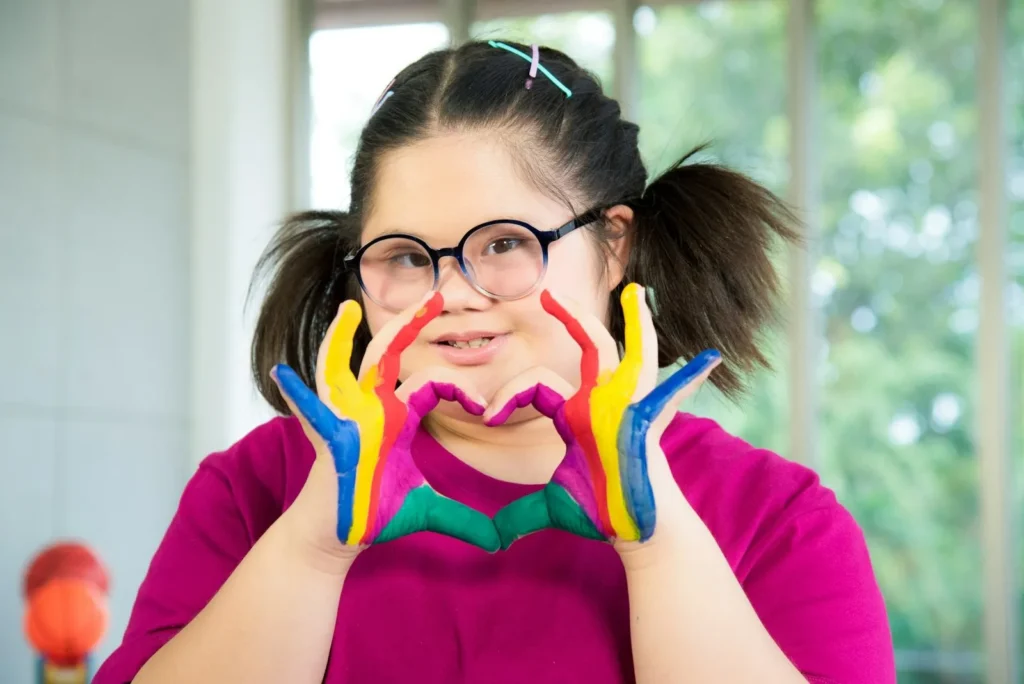
Person-Centred Planning and Goal Setting
Person-centred planning is a foundation of Down syndrome support in Campbelltown at SADC Disability Services. We work collaboratively with individuals and families to set goals that are meaningful, realistic, and motivating. These goals guide support strategies and ensure services remain focused and purposeful.
Down syndrome support in Campbelltown includes regular review of goals to reflect progress and changing priorities. This flexible planning approach ensures support continues to align with the individual’s evolving needs and aspirations.
Supporting Adults With Down Syndrome
Down syndrome support in Campbelltown extends throughout adulthood. Adults with Down syndrome have diverse lifestyles, interests, and goals, and SADC Disability Services provides support that respects autonomy, choice, and independence. Adult support focuses on daily routines, community engagement, relationships, and meaningful participation.
Our Down syndrome support in Campbelltown recognises adulthood as a time for continued growth and opportunity. We support adults to build confidence, maintain independence, and engage actively in their community.
Encouraging Choice and Self-Advocacy
Self-advocacy is an important part of Down syndrome support in Campbelltown. SADC Disability Services encourages individuals to express preferences, make decisions, and take an active role in their lives. Supporting choice helps individuals develop confidence and a sense of control.
Through Down syndrome support in Campbelltown, individuals learn to communicate their needs, understand their rights, and participate in decision-making processes. This empowerment supports independence and long-term wellbeing.
Strengths-Based and Respectful Support
Our Down syndrome support in Campbelltown is strengths-based, focusing on abilities, interests, and potential rather than limitations. We believe that recognising strengths builds motivation, confidence, and positive outcomes.
Respect and dignity guide every aspect of our Down syndrome support in Campbelltown. SADC Disability Services values individuality and promotes inclusion, ensuring that support is delivered with compassion and understanding.
Supporting Life Transitions
Life transitions are an important focus of Down syndrome support in Campbelltown. Changes such as moving schools, entering adulthood, starting employment, or adjusting living arrangements can be challenging. SADC Disability Services provides structured support that helps individuals and families navigate these transitions smoothly.
Our Down syndrome support in Campbelltown focuses on preparation, skill development, and emotional support during times of change. Thoughtful planning helps reduce stress and supports positive outcomes.
Collaboration With Allied and Community Services
Effective Down syndrome support in Campbelltown often involves collaboration with other professionals and community services. SADC Disability Services works alongside allied health providers, educators, and community organisations to ensure coordinated and consistent support.
This collaborative approach strengthens Down syndrome support in Campbelltown by aligning strategies, sharing information, and promoting holistic care that addresses all areas of life.
Commitment to the Campbelltown Community
As a trusted provider of Down syndrome support in Campbelltown, SADC Disability Services is deeply committed to the local community. We understand the values, diversity, and needs of families in Campbelltown and tailor our services to reflect this understanding.
Our commitment extends beyond individual support to promoting awareness, inclusion, and understanding within the broader community. Through quality Down syndrome support in Campbelltown, we contribute to a more inclusive and supportive environment for everyone.
A Positive Path Forward With SADC Disability Services
Down syndrome support in Campbelltown with SADC Disability Services is about partnership, empowerment, and possibility. We believe that individuals with Down syndrome can lead meaningful, connected, and fulfilling lives when supported with respect, understanding, and care.
Through personalised planning, compassionate support, and a commitment to lifelong growth, SADC Disability Services provides trusted Down syndrome support in Campbelltown for individuals and families at every stage of life. Together, we work toward a future where every person is valued, included, and supported to reach their full potential.
Get in touch
91 Belmore Rd, Riverwood NSW 2210
1300 242 492
SADC disability services
FAQ’s on Down Syndrome Support in Campbelltown:-
1. What is Down syndrome support?
Down syndrome support includes personalised assistance that helps individuals with Down syndrome build independence, life skills, communication abilities, and confidence while improving overall quality of life.
2. Who can access Down syndrome support in Campbelltown?
Children, teenagers, adults, and older individuals with Down syndrome living in Campbelltown and surrounding areas can access tailored support services.
3. How does SADC Disability Services support people with Down syndrome?
SADC Disability Services provides person-centred, strengths-based support focusing on daily living skills, social inclusion, independence, and emotional wellbeing.
4. Is Down syndrome support only for children?
No, Down syndrome support is available across the lifespan, from early childhood through adulthood and ageing.
5. Why is early support important for children with Down syndrome?
Early support helps develop foundational skills such as communication, movement, learning, and social interaction, which positively influences long-term development.
6. What types of support are offered for young children?
Support may include communication development, routine building, social play skills, emotional regulation, and family guidance.
7. How does Down syndrome support help with learning?
Support helps individuals engage with learning environments by improving focus, communication, routines, and confidence.
8. Can Down syndrome support help with speech and communication?
Yes, communication development is a key focus, helping individuals express needs, make choices, and interact socially.
9. What role do families play in Down syndrome support?
Families are active partners, helping reinforce strategies at home and collaborating on goals and planning.
10. Is support tailored to each individual?
Yes, all Down syndrome support plans are personalised based on strengths, goals, interests, and individual needs.
11. How does support encourage independence?
Support focuses on teaching daily living skills such as personal care, household tasks, decision-making, and routine management.
12. What is person-centred Down syndrome support?
Person-centred support prioritises the individual’s choices, preferences, and life goals in all decision-making.
13. Can Down syndrome support help teenagers?
Yes, teenagers receive support for emotional regulation, social confidence, life skills, and preparation for adulthood.
14. How does support help with emotional wellbeing?
Support includes strategies to manage emotions, reduce anxiety, and build emotional resilience.
15. Does Down syndrome support include social skill development?
Yes, social skills such as communication, friendship building, and group participation are core areas of support.
16. How does support help with friendships?
Support helps individuals understand social cues, practise communication, and build positive relationships.
17. Can Down syndrome support help prepare for employment?
Yes, support includes developing workplace skills like responsibility, communication, time management, and task completion.
18. What employment pathways are supported?
Supported employment, volunteering, skill-based roles, and community participation pathways are all considered.
19. Is Down syndrome support suitable for adults?
Yes, adults receive support focused on independence, meaningful routines, relationships, and community involvement.
20. How does support help with daily routines?
Support helps structure routines, manage time, and develop consistency in daily activities.
21. Can Down syndrome support improve confidence?
Yes, recognising strengths and celebrating achievements helps build self-esteem and confidence.
22. What is strengths-based support?
Strengths-based support focuses on abilities and interests rather than limitations, encouraging growth and motivation.
23. How are goals set in Down syndrome support?
Goals are set collaboratively with individuals and families to ensure they are meaningful and achievable.
24. Are goals reviewed regularly?
Yes, goals are reviewed to reflect progress, new skills, and changing priorities.
25. Does Down syndrome support help with transitions?
Yes, support helps with transitions such as starting school, leaving school, entering adulthood, or changing routines.
26. How does support help during adolescence?
Support addresses emotional changes, independence, identity development, and social expectations.
27. Can Down syndrome support encourage self-advocacy?
Yes, individuals are supported to express preferences, make choices, and speak up for their needs.
28. What is self-advocacy?
Self-advocacy means understanding personal needs and confidently communicating choices and decisions.
29. How does support respect individuality?
Support is adapted to each person’s personality, culture, interests, and goals.
30. Is Down syndrome support flexible?
Yes, support evolves as individuals grow and their needs change.
31. Can support help with emotional regulation?
Yes, individuals learn strategies to manage frustration, stress, and emotional responses.
32. Does support focus on long-term independence?
Yes, support is designed to build lifelong skills that promote independence and self-confidence.
33. How does support help families?
Families receive guidance, reassurance, and practical strategies to support their loved ones.
34. Is Down syndrome support collaborative?
Yes, support often involves collaboration with families, educators, and allied professionals.
35. Can Down syndrome support help with relationships?
Yes, individuals are supported to build and maintain healthy relationships.
36. What are daily living skills?
Daily living skills include personal hygiene, cooking, cleaning, budgeting, and managing responsibilities.
37. Does support encourage choice and independence?
Yes, individuals are encouraged to make choices and take responsibility at their own pace.
38. How does support promote inclusion?
Support helps individuals participate fully in community and social activities.
39. Can Down syndrome support help with decision-making?
Yes, individuals learn problem-solving and decision-making skills suited to their abilities.
40. Is Down syndrome support respectful?
Yes, support is delivered with dignity, respect, and compassion.
41. Can support help build routines?
Yes, routines provide structure, predictability, and confidence.
42. Does support help with motivation?
Yes, personal interests and strengths are used to increase engagement and motivation.
43. How does support help with public confidence?
Support builds skills for navigating public spaces and social environments safely.
44. Can Down syndrome support help achieve personal goals?
Yes, structured support helps individuals work steadily toward meaningful goals.
45. Is support suitable for different ability levels?
Yes, support is adapted to suit varying abilities and support needs.
46. Does Down syndrome support improve quality of life?
Yes, improving overall wellbeing and life satisfaction is a key goal.
47. How does support help with independence at home?
Support teaches household tasks, routines, and self-care skills.
48. Can support help with emotional expression?
Yes, individuals learn to identify and express emotions in healthy ways.
49. Why are routines important in Down syndrome support?
Routines help create stability, reduce anxiety, and support learning.
50. Is Down syndrome support ongoing?
Support may be short-term or long-term depending on individual needs.
51. Can support help build social confidence?
Yes, individuals gain confidence through guided social experiences.
52. Does Down syndrome support adapt as people age?
Yes, support evolves to meet changing needs across adulthood.
53. How does support help with community confidence?
Support helps individuals feel comfortable and capable in community settings.
54. Is Down syndrome support empowering?
Yes, it empowers individuals to take control of their lives and decisions.
55. Can support help with emotional resilience?
Yes, coping strategies are taught to manage challenges and change.
56. How does support balance independence and safety?
Support encourages independence while ensuring appropriate guidance and safety.
57. Can Down syndrome support assist with life planning?
Yes, individuals are supported to plan for future goals and pathways.
58. Does support respect personal choices?
Yes, individual preferences and decisions are always respected.
59. How does support improve social inclusion?
Support encourages participation in group activities and local events.
60. Can Down syndrome support improve self-esteem?
Yes, celebrating progress and achievements builds positive self-esteem.
61. Is support suitable for families new to a Down syndrome diagnosis?
Yes, families receive guidance, reassurance, and emotional support.
62. Does support change over time?
Yes, support adjusts as skills develop and goals evolve.
63. How does support help individuals learn new skills?
Skills are taught through structured, practical, and repetitive approaches.
64. Can Down syndrome support help with future independence?
Yes, long-term planning focuses on independence and confidence.
65. Is support available in community settings?
Yes, support can take place at home, in the community, or structured programs.
66. How does support encourage personal growth?
Support builds confidence, skills, and positive self-identity.
67. Does Down syndrome support focus on abilities?
Yes, strengths and abilities guide all support strategies.
68. Can support help with social understanding?
Yes, individuals learn how to respond appropriately in social situations.
69. Why is local Down syndrome support in Campbelltown important?
Local support offers accessibility, community connection, and understanding of local needs.
70. Why choose SADC Disability Services for Down syndrome support in Campbelltown?
SADC Disability Services provides compassionate, personalised, and holistic Down syndrome support in Campbelltown, focusing on independence, inclusion, confidence, and lifelong wellbeing.
Get in touch
91 Belmore Rd, Riverwood NSW 2210
1300 242 492
SADC disability services