
Table of Contents
Down Syndrome Support in Blacktown – SADC Disability Services
Down syndrome support in Blacktown plays a crucial role in enhancing the quality of life for individuals with Down syndrome and their families. Down syndrome is a lifelong genetic condition that affects physical development, cognitive abilities, communication styles, and social interaction. Because every person with Down syndrome is unique, high-quality support must be personalised, respectful, and adaptive to individual goals and needs. At SADC Disability Services, Down syndrome support in Blacktown is delivered with compassion, expertise, and a deep commitment to helping each individual thrive socially, emotionally, and functionally within their community.
Living with Down syndrome in Blacktown encompasses not only personal development but also family wellbeing, community participation, and long-term life planning. SADC Disability Services recognises that Down syndrome support in Blacktown must extend far beyond clinical interventions — it must also promote inclusion, independence, and belonging. This comprehensive guide highlights the breadth of supports available, how they are implemented, and why they matter to families and individuals living with Down syndrome.
Understanding Down Syndrome and Individual Needs
What Is Down Syndrome?
Down syndrome occurs when a person has all or part of an extra 21st chromosome. This genetic difference influences a range of physical traits and developmental patterns. While there are common characteristics associated with Down syndrome, such as hypotonia (low muscle tone) or mild to moderate intellectual disability, each person’s strengths and challenges are unique. Understanding this diversity is essential to delivering effective support.
The Importance of Individualised Support
Down syndrome support in Blacktown begins with recognising that no two individuals are the same. Personalised support acknowledges personal preferences, developmental goals, communication styles, sensory needs, cultural background, and family values. At SADC Disability Services, support plans are co-designed with individuals and their families to reflect these personal factors, ensuring that support is both meaningful and effective.
Early Childhood Down Syndrome Support
Laying a Strong Foundation
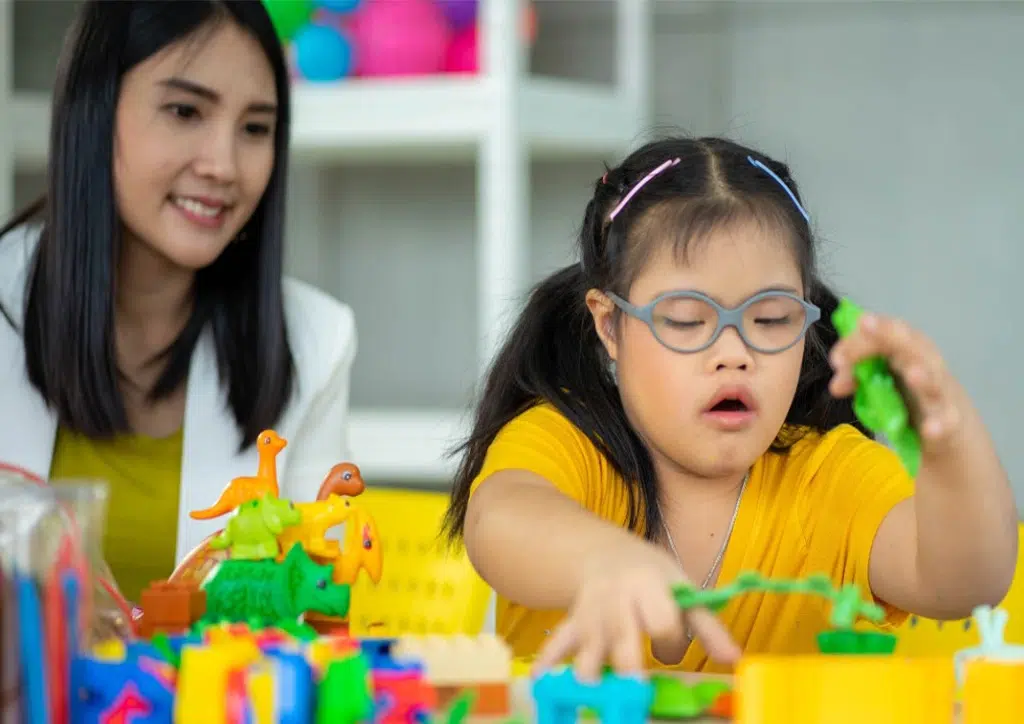
Early childhood is a critical period for development, and timely support can have a lasting impact. Down syndrome support in Blacktown prioritises early intervention services that foster communication, motor skills, social engagement, and learning readiness. These early supports take place in natural environments such as the home or early learning settings, ensuring comfort and relevance.
Family-Centred Support
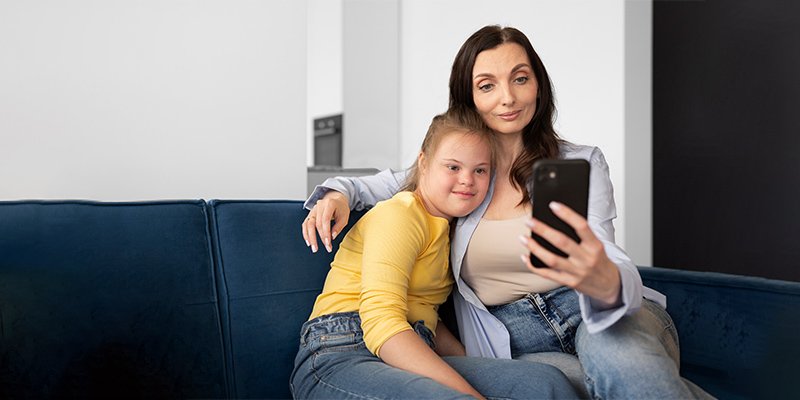
Families play a primary role in a child’s development. SADC Disability Services works closely with families to provide coaching, guidance, and practical strategies that can be integrated into daily routines. This collaborative approach empowers families and strengthens their confidence in supporting their child’s progress.
Building Communication and Social Skills
Communication is foundational to building relationships and participating in everyday life. Early support focuses on nurturing expressive and receptive language skills using play-based techniques, visual tools, and meaningful interactions. Social skill development helps children navigate peer interactions, turn-taking, and emotional expression.
School-Age Down Syndrome Support
Supporting Participation in Education
As children transition into school, Down syndrome support in Blacktown adapts to the academic and social demands of the school environment. Support may involve collaboration with educators to identify classroom strategies, assistive technology, or specialised learning approaches. SADC Disability Services helps promote confidence and school participation, enabling each child to access education in a way that aligns with their strengths.
Enhancing Independence and Life Skills
School-age support includes practical life skills development, such as personal organisation, daily routines, and self-help strategies. These skills reinforce independence and contribute to positive self-esteem. Support workers help individuals practise these skills both at home and in community settings, further strengthening their ability to function naturally in different environments.
Emotional and Behavioural Regulation
Children with Down syndrome may experience challenges with emotional self-regulation or frustration tolerance. Down syndrome support in Blacktown includes strategies to help children recognise emotions, manage stress, and build resilience. Support workers use positive behaviour support and gentle guidance to foster emotional understanding and constructive coping skills.
Teen and Transition Support
Navigating Changes in Adolescence
Adolescence brings a range of developmental changes — physically, socially, and emotionally. Down syndrome support in Blacktown for teenagers focuses on building self-advocacy, social confidence, and life skills that prepare individuals for increasing independence. Support workers work collaboratively with families and young people to strike a balance between guidance and autonomy.
Social Connection and Peer Support
Teenagers often seek connection and belonging with peers. SADC Disability Services encourages social participation by supporting involvement in youth groups, recreational programs, and community activities that align with individual interests. These experiences help build friendships, communication skills, and confidence.
Planning for Adult Life
Transitioning from adolescence to adulthood involves planning for future pathways — whether that includes post-school education, employment, living arrangements, or social participation. Down syndrome support in Blacktown includes life transition planning that helps individuals and families set realistic, personalised goals.
Adult Down Syndrome Support
Enhancing Daily Living and Independence
Adults with Down syndrome continue to benefit from structured support aimed at enhancing daily living skills. Support in Blacktown includes assistance with routines, personal care, budgeting, cooking, travel skills, and community access. These practical supports help build confidence and promote independence.
Supporting Employment Goals
Many adults with Down syndrome aspire to work, volunteer, or engage in structured day activities. SADC Disability Services supports employment goals through job-readiness planning, skill development, workplace coaching, and supported employment pathways. These supports are tailored to individual strengths, interests, and goals.
Encouraging Community Participation
Participation in community life fosters belonging and wellbeing. Down syndrome support in Blacktown encourages individuals to engage in local recreational activities, clubs, social groups, and cultural events. Support workers help individuals navigate social situations and build connections within their communities.
Communication and Social Engagement
Communication Strategies
Communication support remains a central focus throughout life. For many people with Down syndrome, communication may involve a combination of spoken language, visual supports, sign language, or assistive technology. SADC Disability Services ensures communication strategies are personalised and reinforced across environments.
Social Skills and Friendship Building
Developing social skills supports meaningful interactions and friendships. Support workers use guided practice, role modelling, and real-world opportunities to help individuals understand social cues, take turns, and share interests. These skills help individuals feel more confident in social settings.
Emotional Wellbeing and Behaviour Support
Understanding Emotional Needs
Individuals with Down syndrome may experience challenges related to stress, frustration, or transitions. Down syndrome support in Blacktown includes emotional wellbeing strategies that help individuals recognise feelings and respond with appropriate coping skills. Support workers provide reassurance, structure, and encouragement to foster resilience.
Positive Behaviour Support
Positive behaviour support focuses on understanding the reasons behind challenging behaviour and teaching alternative, more adaptive skills. At SADC Disability Services, support workers prioritise respectful, proactive approaches that reduce stressors and increase positive engagement.
Building Confidence
Confidence grows through achievement and supportive experiences. Down syndrome support in Blacktown includes celebrating strengths, reinforcing progress, and encouraging involvement in meaningful activities. This approach enhances self-esteem and motivation.
Family and Carer Support
Collaborative Planning
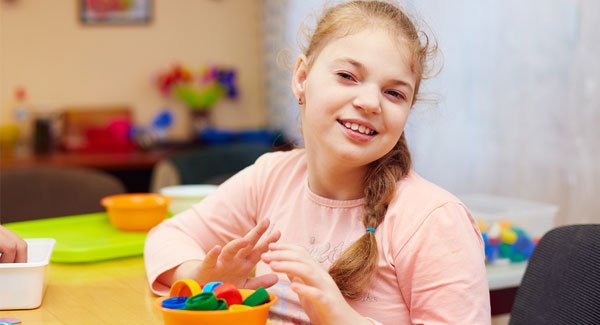
Families and carers play a central role in the wellbeing of people with Down syndrome. SADC Disability Services engages with families through collaborative planning sessions that ensure support is consistent across home, school, and community environments. Family goals and preferences are integrated into every support strategy.
Emotional Support for Carers
Carers often juggle significant responsibilities, and emotional support is important for their wellbeing. Down syndrome support in Blacktown includes opportunities for families to access guidance, reassurance, and practical coaching. SADC Disability Services provides carers with strategies to manage stress, reinforce routines, and support personal growth.
Strengthening Family Confidence
Through education, guidance, and ongoing communication, families build confidence in supporting their loved ones with Down syndrome. Feeling supported by professionals and connected to community resources strengthens the family’s capacity to navigate challenges and celebrate achievements.
Community Inclusion and Social Connectivity
Creating Inclusive Opportunities
Community inclusion is a core goal of Down syndrome support in Blacktown. SADC Disability Services works to connect individuals with local activities, groups, and events that align with their interests. Participation in shared experiences fosters a sense of belonging and broadens social networks.
Encouraging Participation in Everyday Life
Supporting individuals to take part in everyday activities — from shopping at local markets to joining recreational clubs — helps build life experience and confidence. Down syndrome support in Blacktown emphasises opportunities that are naturally embedded within community life.
Building Support Networks
Strong support networks include friends, neighbours, teachers, and community members. These networks offer social support, shared experiences, and ongoing opportunities for engagement. SADC Disability Services helps individuals build and maintain these positive connections.
Skill Development and Lifelong Learning
Practical Skill Building
Skill development extends across various areas of life including communication, self-help, problem-solving, and community navigation. Support workers help individuals practise and strengthen these skills through structured programs and real-world experiences.
Encouraging Lifelong Learning
Down syndrome support in Blacktown recognises that learning continues throughout life. Whether through formal education, workshops, recreational classes, or informal mentoring, individuals are encouraged to explore interests and build competencies. Lifelong learning promotes confidence and enriches personal fulfilment.
Learning Through Experience
Practical, hands-on experiences reinforce learning more effectively than abstract instruction. SADC Disability Services incorporates experiential learning into support programs — from community participation to daily living tasks — ensuring learning feels relevant and empowering.
Health and Wellbeing Support
Supporting Physical Health
Physical health plays a significant role in overall wellbeing. Down syndrome support in Blacktown includes promoting active lifestyles, supporting access to health professionals, and reinforcing routines that contribute to physical wellbeing.
Nutritional Guidance
Healthy eating habits contribute to physical and mental wellbeing. Support workers assist with meal planning, grocery shopping, and cooking skills. These supports help individuals make positive choices that support health goals.
Sensory and Motor Development
Some individuals with Down syndrome experience sensory or motor challenges. Support includes activities and strategies designed to enhance motor skills, coordination, and comfort within varied environments. These supports are integrated into daily routines and community activities.
Advocacy and Self-Empowerment
Supporting Self-Advocacy
Advocacy skills help individuals express their needs, make informed choices, and participate actively in their own lives. Down syndrome support in Blacktown includes coaching in communication, decision-making, and self-confidence. Empowered individuals are more likely to pursue their goals with clarity and resilience.
Encouraging Voice and Agency
Support workers help individuals find and use their voice in ways that feel authentic and effective. Whether advocating for personal routines, social participation, or educational needs, autism support in Blacktown encourages self-expression and agency.
Strengthening Participation Rights
Understanding rights and responsibilities enhances independence and personal dignity. SADC Disability Services supports individuals and families to understand disability rights, community expectations, and avenues for support or advocacy when needed.
Safety, Planning, and Crisis Support
Creating Safe Environments
Safety planning is an essential part of Down syndrome support in Blacktown. Support workers help identify potential risks, develop strategies for harm reduction, and ensure environments feel secure and predictable.
Supporting During Transitions
Transitions can be overwhelming — whether changing routines, environments, or life stages. SADC Disability Services provides structured support, planning tools, and emotional guidance to help individuals manage transitions with confidence and predictability.
Crisis Response Strategies
Unexpected events, emotional overload, or behavioural challenges can arise. Down syndrome support includes crisis response strategies designed to de-escalate tension and provide comfort while maintaining dignity and safety.
Cultural Inclusion and Respect
Supporting Diverse Cultural Needs
Blacktown is a culturally diverse area, and Down syndrome support must reflect and respect cultural backgrounds. SADC Disability Services provides culturally appropriate support, ensuring communication, routines, and programs respect personal identities and values.
Respecting Language and Preference
Support adapts to language preferences, cultural celebrations, dietary practices, and family traditions. This cultural competency strengthens trust and enhances participation in community life.
Inclusive Community Practice
Supporting cultural inclusion contributes to stronger community ties and mutual respect. Down syndrome support in Blacktown promotes inclusion by embracing diversity and supporting individuals to engage in culturally meaningful activities.
Measuring Progress and Celebrating Success
Individualised Goal Tracking
Progress is measured not just by achievement but by effort, growth, and personal confidence. Support workers track goals collaboratively with participants and families. Regular reviews ensure support remains aligned with evolving priorities.
Celebrating Achievements
Whether it’s mastering a new skill, participating in a community event, or achieving a personal milestone, celebrations reinforce confidence and motivation. Down syndrome support in Blacktown recognises that every achievement, big or small, deserves acknowledgement.
Reflective Learning
Reviewing experiences, understanding what worked well, and adjusting strategies are part of ongoing learning. SADC Disability Services promotes reflective practice for continuous growth and improvement.
Family Confidence and Support
Supporting Family Wellbeing
Families are supported through education, emotional guidance, and practical coaching. Down syndrome support in Blacktown includes helping carers manage stress, build routines, and foster positive environments.
Building Parent Skills
Parent and caregiver workshops help develop understanding of communication strategies, behaviour support, and community engagement. These skills strengthen family confidence and create consistency across environments.
Collaboration and Shared Planning
Families are invited to participate in shared planning, goal setting, and review. This collaborative approach ensures support respects family preferences, routines, and expectations.
Future-Focused Planning
Long-Term Aspirations
Down syndrome support in Blacktown looks beyond immediate needs to future aspirations. Whether that’s transitioning to independent living, finding suitable employment, or building community networks, supports are designed to align with long-term goals.
Adaptive Support Over the Lifespan
Needs may change throughout life, which is why support remains adaptive and responsive. SADC Disability Services adjusts supports based on life stages, new goals, and evolving circumstances.
Continuous Quality Improvement
Ongoing evaluation and refinement ensure supports remain effective. Feedback from participants, families, and community partners helps shape future service delivery.
Why Choose SADC Disability Services
SADC Disability Services delivers compassionate, personalised, and high-quality Down syndrome support in Blacktown. Our approach prioritises respect, choice, inclusion, and lifelong growth. With trained support workers, flexible programs, and a commitment to meaningful outcomes, SADC Disability Services ensures that every individual with Down syndrome is supported to live a rich, connected, and empowered life.
Conclusion
Down syndrome support in Blacktown is about promoting dignity, inclusion, independence, and wellbeing for each individual. With a holistic approach that embraces communication, life skills, community participation, emotional support, and family collaboration, SADC Disability Services provides comprehensive support that makes a real, positive difference. Down syndrome support is not just about care — it’s about enabling individuals to live with confidence, connection, and purpose.
Get in touch
91 Belmore Rd, Riverwood NSW 2210
1300 242 492
SADC disability services
Faqs on
1. What is Down syndrome support in Blacktown?
Down syndrome support in Blacktown includes a range of disability services that help individuals build independence, communication skills, and social confidence. It can involve daily living support, community access, respite care, and skill development programs. The goal is to improve quality of life and encourage inclusion in the local community. SADC Disability Services provides personalised support based on individual needs and goals.
2. How does SADC Disability Services support people with Down syndrome?
SADC Disability Services provides tailored disability support to help individuals with Down syndrome achieve their personal goals. This may include assistance with daily routines, social activities, transport, community participation, and personal development. Support is always delivered with respect, patience, and a person-centred approach. The focus is on independence, confidence, and long-term wellbeing.
3. Is Down syndrome support covered under the NDIS?
Yes, Down syndrome support is commonly funded under the NDIS if the person meets eligibility requirements. NDIS funding may cover daily living assistance, community access, respite, therapy supports, and capacity-building programs. The supports provided depend on the participant’s goals and NDIS plan categories. SADC Disability Services helps deliver NDIS-funded supports in Blacktown and surrounding areas.
4. What types of daily living support are available for Down syndrome?
Daily living support includes help with personal hygiene, meal preparation, cleaning, dressing, and maintaining routines. It also supports participants in building skills like cooking, managing time, and completing household tasks independently. These services are designed to encourage confidence and self-reliance. SADC Disability Services provides flexible daily living support based on the participant’s lifestyle and comfort.
5. Can SADC help with community participation in Blacktown?
Yes, SADC Disability Services supports individuals with Down syndrome to participate actively in community life. This includes visiting parks, shopping centres, libraries, social clubs, and recreational activities. Community participation helps improve social skills, communication, and emotional wellbeing. It also encourages individuals to feel connected and valued in the Blacktown community.
6. How does Down syndrome support improve independence?
Support improves independence by teaching practical life skills in a structured and supportive environment. Participants gradually learn to manage personal care, travel, decision-making, and daily responsibilities. Over time, they gain confidence in completing tasks with less assistance. SADC Disability Services focuses on skill-building rather than just providing help.
7. Does SADC provide social activities for people with Down syndrome?
Yes, SADC offers social and recreational support to help participants build friendships and enjoy meaningful activities. Social activities may include group outings, sports programs, arts and crafts, community events, and cultural activities. These experiences help reduce isolation and increase self-confidence. Social support is customised to suit the individual’s personality and interests.
8. What is respite care for Down syndrome participants?
Respite care is short-term support that provides relief for family members and carers while ensuring the participant is safe and supported. It can be arranged for a few hours, overnight stays, weekends, or longer periods depending on need. Respite care supports participant wellbeing by offering structured routines and enjoyable activities. SADC Disability Services provides flexible respite care options in Blacktown.
9. Can Down syndrome support include transport services?
Yes, transport assistance is often included as part of Down syndrome support, especially for community outings, appointments, and programs. Support workers can assist participants in travelling safely and confidently around Blacktown and nearby suburbs. Transport support also helps build independent travel skills over time. SADC Disability Services offers accessible transport support as part of NDIS-funded services.
10. How can Down syndrome support help with communication skills?
Communication support focuses on improving speech, understanding, listening, and expressing needs clearly. Support workers use practical communication strategies like visual schedules, repetition, simple instructions, and social interaction practice. Strong communication improves confidence and reduces frustration. SADC Disability Services encourages communication development through everyday routines and community activities.
11. Do you support children with Down syndrome in Blacktown?
Yes, SADC Disability Services provides support for children with Down syndrome in Blacktown and surrounding areas. Support may include early childhood development activities, school routine assistance, social interaction support, and community outings. Services are designed to help children build foundational life skills. Families are also involved in planning and goal setting.
12. Do you support teenagers with Down syndrome?
Yes, teenagers with Down syndrome benefit greatly from structured support programs focused on life skills and social development. Support may include building independence, improving communication, and preparing for adulthood. Teenagers can also join community participation programs to improve confidence and friendships. SADC Disability Services provides youth-friendly and respectful support for adolescents.
13. What support is available for adults with Down syndrome?
Adults can receive support for daily living, employment preparation, community engagement, and personal development. Many adults also need assistance with budgeting, cooking, transport, and maintaining routines. Support is tailored to promote independence and long-term stability. SADC Disability Services provides ongoing adult support to help individuals live meaningful lives.
14. Can SADC assist with employment support for people with Down syndrome?
Yes, employment support can be part of Down syndrome services under NDIS capacity-building supports. This includes workplace readiness, confidence building, communication improvement, and routine development. Participants can also be supported in volunteering or supported employment opportunities. SADC Disability Services encourages participants to explore work goals based on their strengths.
15. How does Down syndrome support help with behavioural challenges?
Behavioural support focuses on understanding the reasons behind behaviours and building positive coping strategies. Individuals may show behaviours due to communication difficulties, anxiety, sensory needs, or routine changes. Support workers use calm, respectful strategies to encourage emotional regulation. SADC Disability Services promotes positive behaviour support approaches that maintain dignity and safety.
16. What is a person-centred approach in Down syndrome support?
A person-centred approach means support is designed around the participant’s goals, preferences, and abilities. It ensures the individual has choice and control in how support is delivered. This approach respects independence and encourages confidence. SADC Disability Services follows person-centred care to create meaningful and flexible support plans.
17. Can Down syndrome support help with personal hygiene and self-care?
Yes, personal hygiene and self-care support is a common service for individuals with Down syndrome. Support workers can assist with showering, grooming, dressing, toileting, and maintaining daily routines. Over time, participants are encouraged to learn these skills independently. SADC Disability Services provides respectful and private personal care support in Blacktown.
18. How can Down syndrome support help with cooking and meal preparation?
Support workers assist participants in learning safe and simple cooking skills based on their ability level. This may include grocery shopping, preparing meals, understanding nutrition, and practising kitchen safety. Cooking skills improve independence and health outcomes. SADC Disability Services helps participants develop confidence through step-by-step learning.
19. Do you provide group programs for people with Down syndrome?
Yes, SADC Disability Services can provide group programs that encourage social interaction and community participation. Group programs may include recreational outings, skill-building sessions, holiday programs, and social activities. These programs help participants build friendships and improve communication. Group supports also help participants feel connected and included.
20. Can families be involved in Down syndrome support planning?
Yes, family involvement is strongly encouraged, especially for children and participants who require higher support needs. Families provide important information about routines, preferences, and personal goals. Collaboration ensures support remains consistent at home and in the community. SADC Disability Services works closely with families to ensure quality and comfort.
21. How do you create goals for Down syndrome participants?
Goals are created by discussing what the participant wants to achieve, what skills they want to improve, and what support they need. Goals can include independence, social skills, travel training, daily routines, or employment readiness. Support plans are regularly reviewed to measure progress. SADC Disability Services ensures goals are realistic, motivating, and meaningful.
22. What is capacity building support for Down syndrome?
Capacity building focuses on improving long-term independence and skills rather than only providing assistance. It includes learning communication, decision-making, daily living tasks, social confidence, and emotional regulation. These supports help participants become more capable and self-reliant over time. SADC Disability Services offers capacity-building programs tailored to Down syndrome needs.
23. Can Down syndrome support help with emotional wellbeing?
Yes, emotional wellbeing is an important part of Down syndrome support in Blacktown. Support workers help participants manage stress, handle changes, and express feelings in healthy ways. Emotional support may include building coping strategies, improving confidence, and creating stable routines. SADC Disability Services provides calm and encouraging emotional support for participants.
24. How does community participation benefit people with Down syndrome?
Community participation helps individuals build confidence, independence, and social skills through real-life experiences. It reduces isolation and improves emotional wellbeing by creating a sense of belonging. Activities like shopping, attending events, or joining groups improve communication and decision-making. SADC Disability Services supports safe and enjoyable community participation in Blacktown.
25. Do you provide school holiday programs for Down syndrome participants?
Yes, school holiday programs can be included for children and teenagers with Down syndrome. These programs offer structured activities, social engagement, community outings, and fun learning experiences. Holiday programs also support families by providing reliable care during school breaks. SADC Disability Services designs holiday activities to be safe, inclusive, and enjoyable.
26. Can support workers help with appointments and healthcare visits?
Yes, support workers can assist participants in attending medical appointments, therapy sessions, and health check-ups. This includes transport support, communication assistance, and ensuring the participant feels calm and understood. Attending appointments regularly supports long-term health and wellbeing. SADC Disability Services provides reliable support for appointments across Blacktown and Western Sydney.
27. How do you ensure safety during Down syndrome support services?
Safety is maintained through risk assessments, personalised support plans, and trained support staff. Support workers follow structured routines and use safe communication and supervision methods. Participants are supported in learning safety skills like road awareness and personal boundaries. SADC Disability Services prioritises dignity and safety in all services.
28. Is Down syndrome support available for high support needs participants?
Yes, SADC Disability Services supports individuals with Down syndrome who have both moderate and high support needs. Support can include personal care, behaviour support strategies, daily routine assistance, and supervision for safety. Services are designed to reduce stress and improve comfort. The level of support is adjusted based on the participant’s NDIS plan and individual needs.
29. How do you support independence without making participants feel pressured?
Support workers encourage independence gradually by breaking tasks into simple steps and offering positive guidance. Participants are supported at their own pace without pressure or judgment. The focus is on building confidence through consistent practice and encouragement. SADC Disability Services ensures participants feel respected, safe, and motivated.
30. How can I start Down syndrome support services with SADC Disability Services in Blacktown?
To start services, families or participants can contact SADC Disability Services and discuss their needs and NDIS plan. A consultation is arranged to understand goals, preferred supports, and service availability. After that, a personalised support plan is created to match the participant’s lifestyle. SADC Disability Services makes the onboarding process smooth, supportive, and family-friendly.
Get in touch
91 Belmore Rd, Riverwood NSW 2210
1300 242 492
SADC disability services