
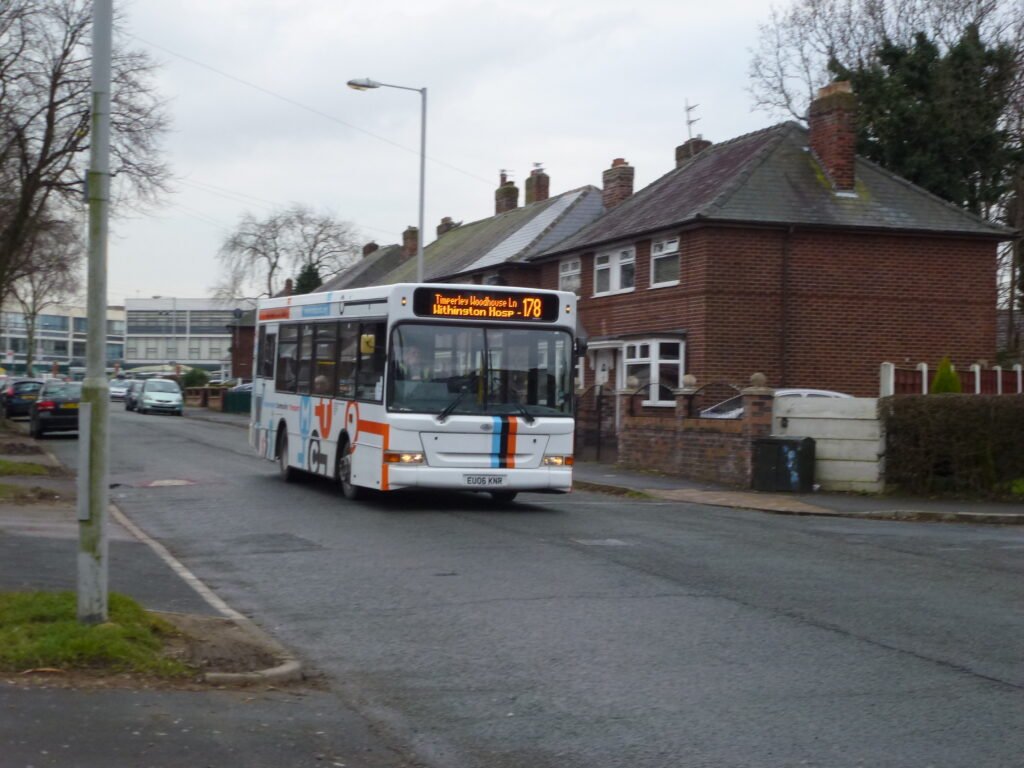
Community Transport Services in Sydney – SADC Disability Services
Community transport services in Sydney are a vital support for people with disability, older Australians, carers, and anyone who faces challenges using conventional public transport. These services bridge the gap between where people are and where they want to be — whether that’s an appointment, a social outing, community program, school, workplace, or simply connecting with friends and family. At SADC Disability Services, we firmly believe that accessible, reliable, and respectful transport should be a right, not a privilege. Our community transport services in Sydney are designed with real people in mind: people who want independence, connection, dignity, and participation in life without barriers.
In this comprehensive guide, we’ll explore the full landscape of community transport services in Sydney — what they are, why they matter, who they support, how they operate, the types of services available, how they align with funding such as the NDIS (National Disability Insurance Scheme), how to choose and plan your transport needs, and how SADC Disability Services supports you every step of the way. Whether you are a participant, family member, carer, support coordinator, or planner, this guide will help you make sense of community transport and empower you to make confident, informed decisions about your mobility and participation goals.
What Are Community Transport Services in Sydney?
Defining Community Transport
Community transport services in Sydney refer to specialised transport options designed to assist people who find it difficult to use public or private transport independently. This includes people with disability, older adults, people with mobility limitations, those with cognitive or sensory needs, and others who require support to travel safely and comfortably. Unlike standard buses or trains, community transport services are flexible, person-centred, and guided by the needs of the individual rather than fixed schedules and routes.
Purpose and Value
At its core, community transport helps individuals attend appointments, engage in social activities, participate in community programs, access educational or employment opportunities, and maintain independence. Transport is not simply about moving from point A to point B — it is about inclusion, opportunity, wellbeing, and quality of life. For many people, access to reliable community transport can mean the difference between isolation and connection, confidence and hesitation, and participation versus withdrawal from everyday life.
Who Benefits from Community Transport Services in Sydney
Community transport services in Sydney support a wide range of people, including:
- People with physical disabilities who cannot easily use public transport
- Individuals with cognitive or sensory needs who require additional support
- Older Australians experiencing reduced mobility
- NDIS participants who need transport to achieve their plan goals
- Carers supporting family members who cannot travel independently
- Individuals transitioning between living arrangements or rehabilitation
- Anyone who requires safe and respectful travel that meets their unique needs
Community transport services are flexible by design, focusing on people rather than schedules, and supporting life beyond barriers.
Why Community Transport Services Matter
Removing Barriers to Participation
Accessible transport removes one of the biggest barriers to participation in daily life. Without reliable transport, people can miss medical appointments, educational opportunities, community programs, social activities, and important milestones. Community transport services in Sydney are designed to ensure that everyone, regardless of ability, age, or mobility restrictions, can participate in life on equal terms with others.
Supporting Independence and Confidence
Independence is more than physical mobility — it’s the confidence that you can go where you want, when you need to, without unnecessary stress or reliance on others. Community transport helps support independent decision-making and personal autonomy. When people know they can travel safely, their confidence and quality of life improve significantly.
Strengthening Social and Emotional Wellbeing
Human beings thrive on connection, and transport is the bridge that makes that connection possible. Whether it’s visiting friends, attending social groups, or joining community events, accessible transport increases social interaction and reduces feelings of isolation. Strong social participation supports emotional wellbeing, reduces anxiety, and contributes to long-term happiness.
Supporting Health, Education, and Employment
Reliable transport is essential for health appointments, education attendance, and employment opportunities. Community transport ensures that people can attend medical specialists, ongoing therapy, classes, and workplaces without facing the stress of transport logistics. This supports continuity in health care, education progress, and work stability — all of which contribute to personal growth and independence.
Types of Community Transport Services in Sydney
Door-to-Door Transport
Door-to-door transport is one of the most personalised forms of community transport services in Sydney. With door-to-door support, the driver or support worker assists the participant from their front door to the vehicle, and from the vehicle to their destination. This service is especially helpful for individuals with mobility challenges, balance issues, or anxiety about travel.
Door-to-door transport ensures a seamless travel experience, supports dignity and safety, and removes the stress of navigating uneven pathways, kerbs, or crowded public spaces.
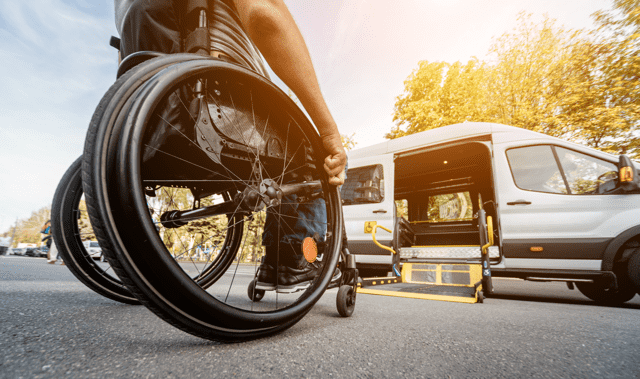
Wheelchair Accessible Transport
For people who use wheelchairs or mobility aids, traditional transport modes can be inaccessible or unsafe. Wheelchair accessible community transport services in Sydney feature specialised vehicles equipped with:
- Ramp or lift systems
- Secure wheelchair restraint systems
- Extra interior space
- Supportive seating for carers or companions
These features make it possible for wheelchair users to travel comfortably and safely without needing to transfer out of their mobility equipment. This level of accessibility is essential for inclusive participation in community life.
Group Transport
Group transport services are designed for people attending shared programs, social groups, workshops, or community events. Scheduled group transport offers multiple participants the opportunity to travel together, fostering social interaction and shared engagement. This kind of transport is efficient for community programs and creates a sense of accompaniment and peer support.
Group transport may include designated pick-up points and scheduled times, with support staff present to assist participants throughout the journey.
Scheduled Individual Transport
Scheduled individual transport involves booking community transport for specific appointments, programs, or routines. This might include regular medical appointments, therapy sessions, weekly social activities, or work-related travel. Scheduled transport supports continuity and ensures participants can plan their routines with confidence.
Booking in advance helps guarantee availability and allows providers to allocate suitable vehicles and support workers as needed.
On-Demand and Flexible Transport
Some community transport services in Sydney also offer on-demand or flexible transport options. These services are useful for unplanned, spontaneous, or last-minute travel needs. While on-demand transport may require communication with the provider regarding availability, it offers flexibility for people whose travel needs change frequently.
Flexibility in transport means individuals with fluctuating schedules can still access support when and where they need it.
How Community Transport Services Tie Into NDIS Goals
Understanding NDIS and Transport Supports
The National Disability Insurance Scheme (NDIS) recognises that transport can be a barrier for people with disability and includes transport supports as part of funded plans in specific circumstances. Community transport services in Sydney can align with NDIS goals when conventional transport is not reasonable or safe due to disability-related needs.
NDIS funding categories that may include transport supports are typically found under:
- Core Supports (e.g., Assistance with Daily Living, Transport)
- Capacity Building Supports (e.g., Community Access)
- Specialist Disability Transport (for those unable to use public transport due to barriers)
Every participant’s plan is unique, and transport funding varies based on individual goals and evidence of need.
Connecting Transport With Personal Goals
Transport is more than a travel service — it is a tool that helps participants achieve their goals. For example:
- Attending therapy sessions to build capacity
- Participating in a job training program
- Engaging in community groups to improve social skills
- Traveling to education settings to support learning goals
- Maintaining health care routines
Community transport services in Sydney help bridge the gap between goals and real-world participation by providing reliable, accessible travel to the places that matter.
Support Coordination and Transport Planning
Many NDIS participants benefit from support coordination when planning transport. Support coordinators can help interpret the NDIS plan, organise transport services, connect participants with providers, and monitor progress toward goals. Transport planning is most successful when it is integrated with other supports such as therapy coordination, daily living assistance, or SIL (Supported Independent Living).
Effective transport planning ensures that participants’ funding is used appropriately and in a way that maximises independence and quality of life.
What to Consider When Choosing Community Transport Services
Safety and Accessibility
One of the first considerations when choosing community transport services in Sydney is safety and accessibility. Vehicles should be maintained according to safety standards, support workers should be trained in disability awareness and safe handling, and accessibility features such as ramps and securement systems should meet the needs of participants.
Safety extends beyond the vehicle itself — it includes respectful communication, sensitivity to personal needs, and a welcoming environment.
Reliability and Punctuality
Reliable transport is essential for maintaining routines and building confidence. Participants need transport that arrives on time, follows the planned route, and supports them throughout the journey. Reliability reduces anxiety, prevents missed appointments, and enhances the ability to plan daily activities without uncertainty.
A provider that communicates well, confirms bookings, and updates participants about changes contributes to a stress-free experience.
Person-Centred Support
Community transport is most effective when it is person-centred — that is, designed around the individual’s needs, preferences, and comfort. This includes understanding communication styles, mobility requirements, sensory sensitivities, and personal routines. A person-centred approach ensures that transport feels respectful, comfortable, and empowering rather than merely functional.
Communication and Respect
Good communication is essential for a satisfying transport experience. Participants should feel comfortable expressing their needs, asking questions, and providing feedback. Support workers and drivers should listen actively, communicate clearly, and provide respectful assistance throughout the travel process.
Respectful communication builds trust, enhances comfort, and improves the overall transport experience for participants.
Cost and NDIS Funding Alignment
Understanding how transport fits within an NDIS plan is important for cost planning. Not all travel may be funded, and some providers may offer options for self-managed or plan-managed participants. It is important to clarify funding categories, transport eligibility, and any out-of-pocket costs in advance. SADC Disability Services can assist participants and families in understanding how transport aligns with NDIS funding.
Day-to-Day Use of Community Transport Services
Appointments and Health Travel
Many participants use community transport services in Sydney to attend regular appointments such as GP visits, specialist consultations, dental check-ups, and therapy sessions. Reliable transport ensures people arrive on time, feel supported, and experience less stress related to travel logistics.
Health travel is often frequent and recurring, making dependable transport a cornerstone of wellbeing.
Community Access and Social Engagement
Transport services unlock opportunities for community engagement by providing travel to social groups, volunteer programs, cultural events, parks, and other community hubs. Social participation supports emotional wellbeing, reduces isolation, and nurtures a sense of belonging. Participants often report greater satisfaction in life when they feel connected to their community and can attend events without difficulty.
Education and Skill-Building Support
Access to education, training, and skill-building programs is essential for personal development. Community transport allows participants to travel to TAFE, university, workplace training, life skills workshops, and other learning environments. This mobility supports lifelong learning, employability, and personal independence.
Recreation and Leisure Activities
Life is not just about appointments — it’s also about enjoyment. Community transport makes it possible to attend recreational activities such as exercise classes, hobby groups, library events, entertainment venues, and leisure outings. Having transport support gives individuals the freedom to pursue interests that enrich their lives.
Behind the Scenes: How Community Transport Is Delivered
Booking and Scheduling
Community transport services in Sydney typically operate through a booking and scheduling system. Participants or their representatives may contact the provider, outline travel needs, schedule times, and confirm details. Advanced booking helps the provider allocate suitable vehicles and support staff. Clear communication about pick-up times and destinations is essential to ensure punctuality and participant satisfaction.
Vehicle Fleet and Accessibility
Community transport providers maintain a fleet of vehicles equipped for different accessibility needs. This can include standard vehicles with easy access, wheelchair accessible vehicles with ramps or lifts, and vehicles with secure wheelchair restraint systems. A well-managed fleet ensures participants receive safe and comfortable transport that matches their needs.
Training and Support Staff
Drivers and support workers play a critical role in community transport services. They are often trained in disability awareness, manual handling, respectful communication, emergency procedures, and passenger assistance. Well-trained staff enhance safety, comfort, and the participant’s overall experience. Their role goes beyond driving — they provide reassurance and practical support throughout the journey.
Feedback and Quality Improvement
Good providers encourage participant feedback to ensure services continue to meet needs and expectations. Feedback mechanisms help identify areas for improvement, enhance communication, and refine service delivery. SADC Disability Services welcomes participant input as part of ongoing quality improvement and service excellence.
Partnering With SADC Disability Services
A Participant-Centred Approach
At SADC Disability Services, community transport services in Sydney are delivered with a participant-centred philosophy. This means the individual’s needs, preferences, and goals are always at the forefront of planning and delivery. We honour each person’s autonomy and provide transport that supports real participation in life.
Comprehensive Support and Planning
We don’t just provide transport — we help participants plan journeys that align with their routines, goals, and NDIS plans. Our team supports goal alignment with travel needs, offers clarity on funding categories, and assists with coordination alongside other services such as therapy or community programs.
Respectful and Reliable Service
Every journey with SADC Disability Services is delivered with respect, professionalism, and reliability. Our drivers and support workers are trained to provide safe, compassionate, and dignified assistance. We understand that transport can be stressful for some people, and we strive to make every trip smooth, comfortable, and reassuring.
Supporting Families and Carers
Transport support also benefits families and carers who may otherwise shoulder travel responsibilities. Reliable community transport frees up time, reduces stress, and ensures participants are supported by trained professionals. Families can rest assured that travel needs are in capable hands.
A Partner in Your Journey
SADC Disability Services is more than a provider — we are a partner in helping participants live the life they choose. Community transport services in Sydney are one part of a holistic support network designed to improve independence, wellbeing, and connection.
Looking Ahead: The Future of Community Transport
Expanding Access and Inclusion
As our society grows and becomes more inclusive, community transport services in Sydney will continue to evolve. We expect greater integration with digital scheduling systems, expanded vehicle accessibility options, increasing understanding of sensory needs, and deeper partnerships with NDIS participants to shape innovative transport solutions.
Transport as a Foundation for Participation
Transport will remain a foundational support for participation in community life. Access to reliable transport opens doors to education, employment, social engagement, health access, and personal freedom. SADC Disability Services is committed to ensuring transport continues to be a gateway to opportunity.
Continuous Improvement
Community transport services will continue to improve through technology, feedback, workforce development, and participant collaboration. Ongoing training, safety enhancements, and person-centred systems will ensure that transport remains safe, respectful, and empowering.
Conclusion
Community transport services in Sydney are about more than routes and schedules — they are about people, dignity, opportunity, connection, and independence. Whether someone needs a ride to a medical appointment, transport to a community group, access to work or education, or a comfortable journey to social activities, community transport makes life more connected and inclusive.
At SADC Disability Services, we are proud to deliver community transport services in Sydney that prioritise respect, safety, flexibility, and participant choice. Our focus is helping individuals achieve their goals and participate fully in life without unnecessary barriers. We believe that accessible transport should be a bridge — not a barrier — to independence, confidence, and meaningful participation.
Your journey matters, and with the right support, transport becomes a source of empowerment, opportunity, and freedom. Community transport services in Sydney are here to help you travel with confidence, purpose, and dignity. Let us be your partner in moving forward — one journey at a time.
Get in touch
91 Belmore Rd, Riverwood NSW 2210
1300 242 492
SADC disability services
Faqs on Community Transport Services in Sydney by Sadc disability services:-
1. What are community transport services in Sydney?
Community transport services in Sydney provide safe and supported travel for people who cannot easily use public transport due to disability, age, or mobility challenges. These services help individuals attend appointments, social programs, education, work, and community events. Vehicles are often accessible and drivers are trained to support participant needs. It is designed to promote independence, inclusion, and confidence in daily life.
2. Who can use community transport services in Sydney?
Community transport services in Sydney are commonly used by NDIS participants, seniors, people with physical disabilities, and individuals with mental health or psychosocial conditions. It is also suitable for people with limited mobility, autism, intellectual disability, or medical conditions affecting travel. Some services are available for carers and family members traveling alongside participants. Eligibility depends on individual needs and support funding arrangements.
3. How does community transport support NDIS participants?
Community transport helps NDIS participants attend therapy sessions, community access programs, work placements, training, and medical appointments. It supports plan goals by enabling participation in social and community life. Many participants use transport as part of Core Supports or Capacity Building supports. With the right provider, transport becomes a reliable tool for independence and daily routine.
4. Is community transport covered under the NDIS?
Yes, community transport may be funded under the NDIS if the participant’s disability impacts their ability to travel independently. Funding may be included under transport-related supports or through community participation categories. The NDIS may also fund support workers who assist with travel. The funding depends on the participant’s plan goals and individual circumstances.
5. What types of vehicles are used for community transport services?
Community transport providers may use standard cars, wheelchair accessible vans, and modified vehicles designed for mobility aids. Wheelchair accessible vehicles include ramps or hydraulic lifts and secure wheelchair restraints. Some vehicles also include additional space for carers or support workers. The right vehicle is selected based on safety, comfort, and the participant’s needs.
6. What is wheelchair accessible community transport in Sydney?
Wheelchair accessible community transport in Sydney is designed for people who use wheelchairs or mobility scooters. These vehicles are equipped with ramps or lifts for easy entry and secure systems to keep the wheelchair stable during travel. This allows participants to travel without transferring to a standard seat. It provides safer and more comfortable travel for participants with high mobility needs.
7. Can community transport help with medical appointments?
Yes, community transport services in Sydney are commonly used for GP visits, specialist appointments, hospital check-ups, therapy sessions, and rehabilitation programs. Transport providers ensure participants arrive safely and on time. Support workers can also assist participants with mobility, communication, or anxiety during travel. This service reduces stress for both participants and their families.
8. Can community transport be used for social outings?
Absolutely, community transport is often used for social events such as community groups, shopping trips, recreational activities, family visits, and cultural programs. Social participation is a key part of wellbeing and independence. Transport services make it easier to maintain friendships and enjoy community life. It is especially helpful for people who experience isolation or anxiety about traveling alone.
9. How do community transport services support independence?
Community transport services allow individuals to travel without relying entirely on family members or carers. This supports confidence and gives participants control over their schedules and personal goals. Over time, regular travel can improve routine, decision-making, and community involvement. Independence grows when transport becomes reliable and accessible.
10. Are community transport services safe for people with disability?
Yes, reputable providers ensure safety through trained staff, maintained vehicles, and proper travel procedures. Drivers are often trained in disability awareness, communication, and passenger support. Vehicles may include accessibility features such as ramps and secure seatbelts. Safety also includes respectful handling and ensuring participants feel comfortable during the journey.
11. What should I look for in a community transport provider in Sydney?
You should look for a provider with reliable scheduling, trained staff, accessible vehicles, and a strong focus on participant safety. Good providers communicate clearly, confirm bookings, and respond quickly to changes. They should also understand NDIS requirements and support individual needs such as sensory sensitivity or mobility limitations. A person-centred approach is always the most important factor.
12. How can SADC Disability Services help with community transport in Sydney?
SADC Disability Services provides reliable and participant-focused community transport services in Sydney, supporting NDIS participants with daily travel needs. The service is designed to help people attend programs, appointments, social activities, and community participation events. SADC focuses on comfort, punctuality, and respectful support. The goal is to help individuals stay connected to their community and live more independently.
13. Can community transport be booked for regular weekly trips?
Yes, many community transport services in Sydney allow participants to book recurring trips such as weekly therapy sessions, day programs, or community group activities. Regular scheduling helps participants maintain routine and reduce stress. It also makes planning easier for families and support coordinators. Consistent travel support is a major benefit for long-term wellbeing.
14. Is same-day community transport available in Sydney?
Some providers offer same-day transport depending on availability, but it is not always guaranteed. Most community transport services recommend booking in advance to ensure a suitable vehicle and support worker is allocated. Same-day bookings may be possible for urgent appointments or last-minute changes. The best approach is to contact the provider early and confirm availability.
15. Can community transport services include a support worker during travel?
Yes, community transport may include support worker assistance depending on the participant’s needs. A support worker can help with communication, emotional regulation, mobility, and safe entry or exit from the vehicle. This is especially useful for participants with autism, intellectual disability, or psychosocial disability. It ensures the journey is safe, calm, and comfortable.
16. What is door-to-door community transport support?
Door-to-door community transport means the participant is supported from their home entrance to the vehicle and then from the vehicle to the destination. This service is ideal for people with limited mobility, balance issues, or anxiety. It reduces risk and ensures participants are not left unsupported. Door-to-door transport improves safety and confidence in daily travel.
17. Can community transport help with shopping and errands?
Yes, many participants use community transport services in Sydney for grocery shopping, pharmacy visits, banking, and other personal errands. These trips support independent living and daily life skills. Transport can also include assistance with carrying items if required. This type of support improves self-sufficiency and routine management.
18. Is community transport suitable for participants with autism?
Yes, community transport can be very helpful for participants with autism, especially those who experience sensory overload or anxiety in public transport. Providers can support routines, use calm communication, and ensure comfortable travel environments. Some participants benefit from consistent drivers and predictable scheduling. With the right approach, community transport can make daily travel much easier and less stressful.
19. How does community transport support community participation goals?
Community transport helps participants attend social groups, recreational programs, volunteering, cultural events, and skill-building activities. This supports NDIS community participation goals by increasing independence and connection. Without transport, many participants may be unable to access these opportunities. Transport is often the key to achieving a more active and inclusive lifestyle.
20. Can community transport be used for employment or training travel?
Yes, community transport services in Sydney can assist participants traveling to work, job interviews, employment training, and skill development programs. Reliable transport supports punctuality and workplace participation. It also helps participants build independence and confidence in employment settings. Many participants use transport services as part of their long-term career goals.
21. How are community transport bookings managed?
Bookings are usually managed through phone calls, online requests, or direct scheduling with the provider. Participants provide travel details such as pickup address, destination, time, mobility needs, and any required assistance. Providers then confirm the booking and allocate a suitable vehicle and staff. Clear booking systems ensure smoother travel and fewer delays.
22. What happens if a participant needs to cancel a trip?
Most community transport providers allow cancellations, but they may require notice to avoid fees or scheduling issues. If a participant is unwell or plans change, it is best to notify the provider as early as possible. Some providers may still charge if cancellation is last-minute. Clear communication helps maintain service efficiency and fairness.
23. How does community transport reduce stress for families and carers?
Community transport reduces the burden on families who may otherwise need to drive participants daily. It provides reassurance that travel is handled by trained professionals. Carers gain more time for work, rest, or personal responsibilities. This support improves overall family wellbeing and reduces long-term burnout.
24. Are community transport services available across all Sydney suburbs?
Many providers offer services across Greater Sydney, including Western Sydney, Inner West, South-West Sydney, and surrounding regions. Coverage depends on the provider’s vehicle availability and service area. Some providers may focus on specific local areas while others operate more broadly. SADC Disability Services supports participants across Sydney and surrounding suburbs where services are available.
25. How does community transport support people with psychosocial disability?
Community transport helps individuals with psychosocial disability attend mental health appointments, community programs, and social outings without fear or stress. It supports routine and reduces isolation, which is important for emotional wellbeing. Support workers can also assist with anxiety, communication, and confidence during travel. Safe and calm transport can significantly improve participation and stability.
26. Can community transport services be used for group programs and day programs?
Yes, community transport is commonly used for day programs, group activities, school holiday programs, and social outings. Participants can be transported to and from the program safely and on time. Group transport can also encourage social interaction and comfort. This service is extremely valuable for families managing multiple support needs.
27. What accessibility features should community transport vehicles have?
Accessible community transport vehicles may include wheelchair ramps, hydraulic lifts, handrails, step-free entry, and secure seatbelts. Some vehicles include additional space for mobility aids and seating for carers. Proper restraints ensure safety for wheelchair users during travel. These features make transport safer and more inclusive for people with mobility challenges.
28. Is community transport available for participants who cannot communicate verbally?
Yes, community transport services can support participants who are non-verbal or have complex communication needs. Providers may use alternative communication methods such as visual prompts, simple instructions, or caregiver guidance. Drivers and staff trained in disability support can assist calmly and respectfully. The focus is always on dignity, comfort, and safety.
29. Can community transport support participants with challenging behaviours?
Yes, with the right support planning, community transport can assist participants with behaviours of concern. Trained staff can use behaviour support strategies and provide calm guidance during travel. Consistency, routine, and clear communication often reduce distress. Providers may also collaborate with behaviour support practitioners to ensure safe and effective transport support.
30. What is the difference between disability transport and community transport?
Disability transport generally refers to specialised travel services specifically for people with disability, often involving accessible vehicles and support staff. Community transport is broader and may also support seniors, carers, and individuals with mobility barriers. Both aim to improve access and participation. In practice, many services overlap depending on the provider and participant needs.
31. Can community transport services help participants attend therapy sessions?
Yes, therapy travel is one of the most common uses of community transport services in Sydney. Participants may require transport to physiotherapy, occupational therapy, speech therapy, psychology, or allied health sessions. Reliable transport ensures participants do not miss important therapy supports. This improves progress toward NDIS goals and overall wellbeing.
32. How do I know if my NDIS plan includes transport funding?
You can check your NDIS plan under the Core Supports section or look for transport-related funding details. Support coordinators and plan managers can also help explain your funding categories. Some participants receive a specific transport allowance, while others use funding through community access supports. It is best to review your plan with a professional to confirm how transport can be used.
33. Can plan-managed participants use community transport services in Sydney?
Yes, plan-managed participants can use community transport services in Sydney as long as the provider is able to invoice the plan manager. Plan management makes it easier to pay providers without participants handling invoices themselves. It also provides better tracking of budgets and spending. Many NDIS participants choose plan management for flexibility and ease.
34. Can self-managed NDIS participants book community transport services?
Yes, self-managed participants can book community transport services and pay directly using their NDIS funds. Self-management offers greater flexibility in choosing providers. Participants must ensure the service aligns with their NDIS goals and is recorded properly for budgeting. Many people prefer self-management because it allows quicker service access and choice.
35. How can I get started with community transport services through SADC Disability Services?
To get started, you can contact SADC Disability Services and discuss your travel needs, goals, and preferred schedule. The team will help you understand service availability, booking procedures, and how transport can align with your NDIS funding. Once details are confirmed, regular or one-time transport bookings can be arranged. This ensures you receive safe, reliable, and supportive community transport services in Sydney.
Get in touch
91 Belmore Rd, Riverwood NSW 2210
1300 242 492
SADC disability services