

Table of Contents
Down Syndrome Support in Parramatta: SADC Disability Services
Understanding Down Syndrome and the Need for Meaningful Support
Down Syndrome Support in Parramatta: Down syndrome support in Parramatta plays a vital role in helping individuals with Down syndrome live fulfilling, confident, and independent lives. Down syndrome is a genetic condition caused by the presence of an extra chromosome, which can influence physical development, learning styles, communication, and health. However, every person with Down syndrome is unique, with their own strengths, personality, and aspirations. At SADC Disability Services, our approach to Down syndrome support in Parramatta is grounded in respect, dignity, and belief in each individual’s potential.
Families often seek reliable, compassionate services that understand both the medical and social aspects of Down syndrome. Quality Down syndrome support in Parramatta focuses not on limitations, but on building skills, encouraging participation, and fostering confidence across all stages of life. SADC Disability Services is committed to providing tailored, holistic supports that respond to real-life needs and meaningful goals.
A Person-Centred Approach at SADC Disability Services
At the heart of our Down syndrome support in Parramatta is a person-centred philosophy. This means we place the individual at the centre of every decision, plan, and support strategy. We take time to understand personal preferences, family values, cultural background, and long-term goals. Support is never generic; it is carefully designed to reflect what matters most to the individual and their family.
SADC Disability Services believes that effective Down syndrome support in Parramatta must evolve as people grow and change. From early childhood through adulthood, our supports adapt to different life stages, transitions, and aspirations. This flexible approach ensures continuity of care and sustained progress over time.
Early Childhood Support and Development
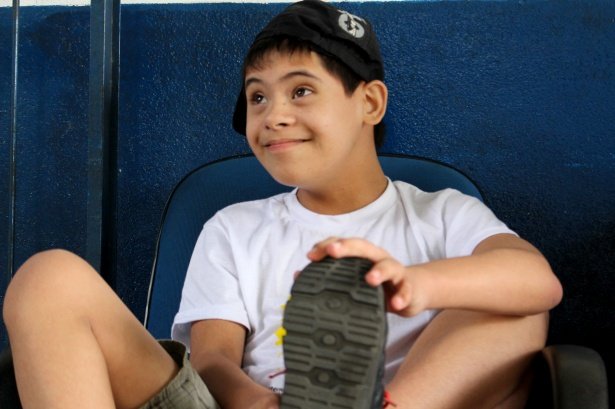
Early intervention is a cornerstone of Down syndrome support in Parramatta. During early childhood, targeted supports can significantly influence communication, mobility, learning, and social interaction. SADC Disability Services works closely with families to support children during these formative years through structured, nurturing, and developmentally appropriate programs.
Our early childhood Down syndrome support in Parramatta focuses on building foundational skills such as communication, play, motor development, and emotional regulation. Families are actively involved in this process, learning strategies they can use at home to reinforce progress and create supportive environments. By building strong foundations early, children gain confidence and skills that support future learning and independence.
Supporting Learning and Education Pathways
Education is a key area of focus within Down syndrome support in Parramatta. Children and young people with Down syndrome can thrive in educational environments when given appropriate support, understanding, and encouragement. SADC Disability Services collaborates with families and educators to support learning participation, communication in the classroom, and social inclusion.
Our Down syndrome support in Parramatta includes assistance with routine management, attention skills, communication strategies, and emotional regulation in school settings. We help individuals build confidence, engage with peers, and develop a positive relationship with learning. By supporting both academic and social aspects of education, we contribute to well-rounded development and school success.
Building Communication and Social Connection
Communication development is a central element of Down syndrome support in Parramatta. Individuals with Down syndrome may experience delays in speech and language, but with the right support, they can develop effective and meaningful communication skills. SADC Disability Services prioritises communication in everyday contexts, helping individuals express needs, share ideas, and connect with others.
Social connection is equally important. Our Down syndrome support in Parramatta encourages positive peer relationships, group participation, and community engagement. Through structured activities, guided interactions, and real-world practice, individuals build confidence in social situations and develop a sense of belonging.
Daily Living Skills and Independence
Independence is a key goal of Down syndrome support in Parramatta. SADC Disability Services focuses on building practical daily living skills that support autonomy and self-confidence. These skills may include personal care, meal preparation, household tasks, money handling, and time management.
Our approach to Down syndrome support in Parramatta emphasises learning through routine, repetition, and encouragement. Skills are taught in ways that are meaningful and relevant to everyday life. As individuals gain competence, they experience increased self-esteem and a greater sense of control over their daily routines.
Supporting Teenagers Through Transition
Adolescence is a time of significant change, and Down syndrome support in Parramatta must adapt to meet the evolving needs of teenagers. During this stage, individuals may face new social expectations, emotional challenges, and questions about identity and independence. SADC Disability Services provides tailored supports that address these transitions with sensitivity and understanding.
Our Down syndrome support in Parramatta for teenagers includes life skills development, social confidence building, emotional regulation, and preparation for adulthood. We work closely with families to support positive transitions while encouraging independence and self-expression. This balanced approach helps young people navigate adolescence with confidence and resilience.
Employment Readiness and Vocational Skills
Meaningful employment can be a powerful source of confidence, purpose, and social connection. Down syndrome support in Parramatta at SADC Disability Services includes preparation for employment and vocational pathways. We support individuals to develop work-related skills such as communication, time management, task completion, and workplace behaviour.
Our Down syndrome support in Parramatta recognises that employment goals differ for each person. Some individuals may pursue supported employment, volunteering, or community-based roles. We focus on identifying strengths, interests, and abilities, helping individuals move toward meaningful participation in the workforce at their own pace.
Community Participation and Inclusion
Community inclusion is a vital aspect of Down syndrome support in Parramatta. SADC Disability Services supports individuals to engage in community activities that align with their interests and goals. Participation may include recreational activities, social groups, cultural events, or local programs that foster connection and enjoyment.
Through community-based Down syndrome support in Parramatta, individuals build confidence navigating public spaces, interacting with others, and advocating for themselves. These experiences contribute to a strong sense of belonging and reinforce the idea that people with Down syndrome are valued and active members of the community.
Health, Wellbeing, and Emotional Support
Health and wellbeing are central to quality Down syndrome support in Parramatta. Individuals with Down syndrome may experience specific health considerations, as well as emotional and mental health challenges. SADC Disability Services takes a holistic view of wellbeing, supporting physical health, emotional resilience, and overall quality of life.
Our Down syndrome support in Parramatta includes strategies for emotional regulation, stress management, and self-care. We encourage healthy routines, positive coping skills, and open communication about feelings. By supporting emotional wellbeing alongside physical health, we help individuals lead balanced and fulfilling lives.
Family-Centred Support and Guidance
Families play an essential role in Down syndrome support in Parramatta. At SADC Disability Services, we view families as partners in the support journey. We provide guidance, education, and practical strategies that empower families to support their loved ones with confidence and clarity.
Our family-centred Down syndrome support in Parramatta includes regular communication, collaborative planning, and emotional support. We recognise that caring for a family member with Down syndrome can bring both joy and challenges, and we are committed to supporting families through every stage of the journey.
Building Confidence and Self-Esteem
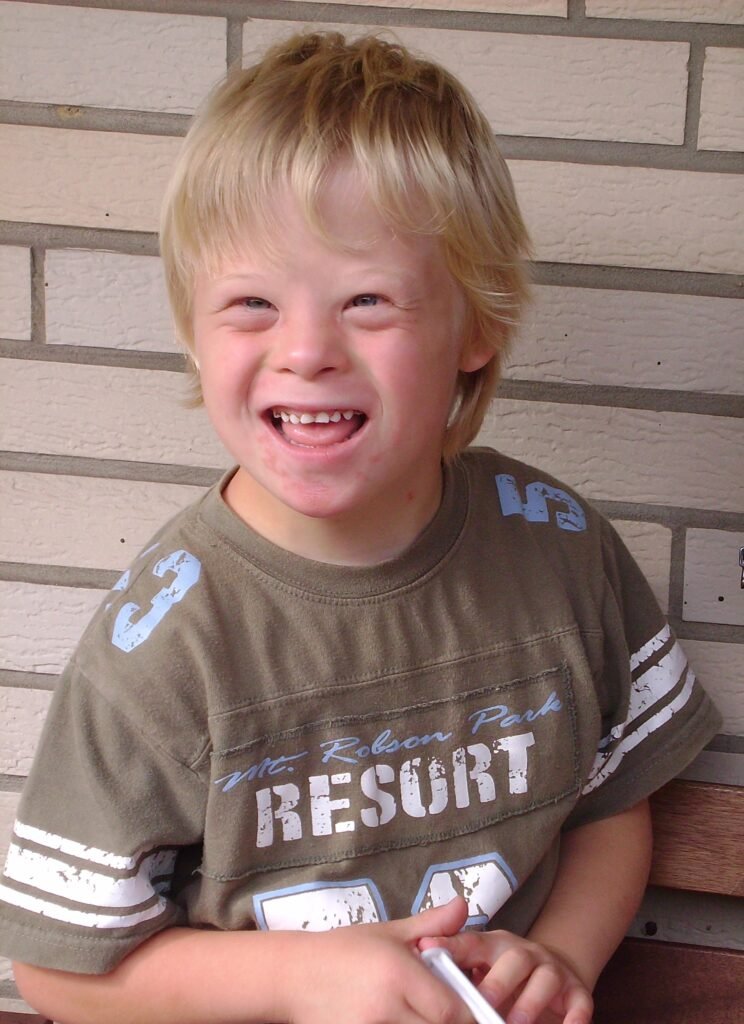
Confidence and self-esteem are foundational outcomes of effective Down syndrome support in Parramatta. SADC Disability Services focuses on recognising strengths, celebrating achievements, and encouraging self-expression. We believe that confidence grows when individuals are supported to try new things, make choices, and experience success.
Through respectful and empowering Down syndrome support in Parramatta, individuals develop a strong sense of identity and self-worth. This confidence supports positive relationships, independence, and a willingness to engage with the world.
Person-Centred Planning and Goal Setting
Person-centred planning is a core feature of our Down syndrome support in Parramatta. We work collaboratively with individuals and families to identify goals that are meaningful and achievable. These goals may relate to independence, relationships, education, employment, or personal growth.
Our Down syndrome support in Parramatta involves regular review and adjustment of goals to reflect progress and changing priorities. This ensures that support remains relevant, motivating, and aligned with the individual’s vision for their life.
Supporting Adults With Down Syndrome
Down syndrome support in Parramatta extends well into adulthood. Adults with Down syndrome have diverse goals, interests, and lifestyles, and SADC Disability Services provides support that respects adulthood, choice, and autonomy. Our adult supports focus on independence, community participation, relationships, and meaningful daily routines.
We recognise that adulthood brings new opportunities and responsibilities. Our Down syndrome support in Parramatta helps adults navigate these changes with confidence, offering guidance while respecting personal choice and independence.
Encouraging Self-Advocacy and Choice
Self-advocacy is an important component of Down syndrome support in Parramatta. SADC Disability Services encourages individuals to express preferences, make decisions, and speak up for their needs. Supporting self-advocacy builds confidence and empowers individuals to take an active role in their lives.
Through Down syndrome support in Parramatta, individuals learn how to communicate choices, understand their rights, and participate in decision-making. This empowerment fosters independence and personal growth.
Strengths-Based and Respectful Support
Our Down syndrome support in Parramatta is strengths-based, focusing on abilities rather than limitations. We recognise that every individual has unique talents, interests, and potential. By building on these strengths, we support meaningful progress and positive outcomes.
Respect is fundamental to our approach. SADC Disability Services delivers Down syndrome support in Parramatta with dignity, compassion, and genuine care. We honour individuality and promote inclusion in all aspects of life.
Supporting Life Transitions
Life transitions are an important focus of Down syndrome support in Parramatta. Whether transitioning from school to adulthood, moving into employment, or adjusting to changes in living arrangements, SADC Disability Services provides structured and supportive guidance.
Our Down syndrome support in Parramatta helps individuals and families plan for change, build necessary skills, and approach transitions with confidence. Thoughtful planning reduces stress and supports positive outcomes during times of change.
Collaboration With Allied Professionals
Effective Down syndrome support in Parramatta often involves collaboration with allied health professionals, educators, and community services. SADC Disability Services works collaboratively to ensure coordinated and consistent support across different areas of life.
This collaborative approach enhances the quality of Down syndrome support in Parramatta by ensuring that strategies are aligned, communication is clear, and individuals receive holistic care.
Commitment to the Parramatta Community
As a trusted provider of Down syndrome support in Parramatta, SADC Disability Services is deeply committed to the local community. We understand the diversity, values, and needs of families in Parramatta and tailor our services accordingly.
Our commitment extends beyond individual support to promoting inclusion, awareness, and understanding within the wider community. Through high-quality Down syndrome support in Parramatta, we contribute to a more inclusive and supportive society.
A Supportive Path Forward With SADC Disability Services
Down syndrome support in Parramatta with SADC Disability Services is about more than services; it is about partnership, empowerment, and possibility. We believe that individuals with Down syndrome can lead meaningful, connected, and joyful lives when supported with respect and understanding.
Through personalised planning, compassionate support, and a commitment to lifelong growth, SADC Disability Services provides trusted Down syndrome support in Parramatta for individuals and families at every stage of life. Together, we work toward a future where every person is valued, included, and supported to reach their full potential.
Get in touch
91 Belmore Rd, Riverwood NSW 2210
1300 242 492
SADC disability services
FAQs on Down syndrome support in Parramatta by SADC Disability Services:-
1. What is Down syndrome support?
Down syndrome support includes tailored services and assistance that help individuals with Down syndrome develop life skills, communication, independence, and social participation while supporting overall wellbeing.
2. Who can access Down syndrome support in Parramatta?
Children, teenagers, and adults with Down syndrome living in Parramatta and surrounding areas can access support based on their individual needs and goals.
3. How does SADC Disability Services support people with Down syndrome?
SADC Disability Services provides person-centred, strengths-based support focused on independence, daily living skills, community participation, and personal development.
4. Is Down syndrome support only for children?
No, Down syndrome support is available across all life stages, from early childhood through adulthood and ageing.
5. Why is early support important for Down syndrome?
Early support helps build foundational skills in communication, learning, mobility, and social interaction, setting the stage for long-term development and confidence.
6. What types of support are included for children with Down syndrome?
Support may include developmental assistance, communication strategies, daily routine support, social skill building, and family guidance.
7. How does Down syndrome support help with learning?
Support helps individuals engage with learning environments, build attention skills, develop communication, and participate confidently in educational settings.
8. Can Down syndrome support help with communication difficulties?
Yes, communication development is a key focus, helping individuals express needs, interact socially, and build relationships.
9. What role do families play in Down syndrome support?
Families are active partners in planning and supporting development, with guidance provided to help reinforce strategies at home.
10. Is support personalised for each individual?
Yes, all Down syndrome support plans are personalised based on individual strengths, goals, preferences, and family input.
11. How does support promote independence?
Support focuses on teaching daily living skills such as personal care, routines, decision-making, and household tasks.
12. What is person-centred support?
Person-centred support places the individual’s goals, choices, and values at the centre of all planning and decision-making.
13. Can Down syndrome support help teenagers?
Yes, teenagers receive support for life skills, emotional regulation, social confidence, and preparation for adulthood.
14. How does support assist with emotional wellbeing?
Support includes strategies to manage emotions, reduce anxiety, build resilience, and encourage positive self-esteem.
15. Does Down syndrome support include community participation?
Yes, community inclusion is a key focus, supporting individuals to engage in social, recreational, and local activities.
16. How does support build social skills?
Support helps individuals understand social cues, build friendships, communicate effectively, and participate in group settings.
17. Can Down syndrome support help with employment preparation?
Yes, support includes developing work-related skills such as communication, responsibility, time management, and task completion.
18. What types of employment pathways are supported?
Supported employment, volunteering, skill development programs, and community-based roles can all be explored.
19. Is Down syndrome support suitable for adults?
Yes, adult support focuses on independence, meaningful routines, community engagement, and personal goals.
20. How does support help with daily routines?
Support assists with structuring routines, time management, self-care, and organisation skills.
21. Can Down syndrome support help with confidence?
Yes, support builds confidence by recognising strengths, celebrating achievements, and encouraging independence.
22. What is strengths-based support?
Strengths-based support focuses on abilities and interests rather than limitations, encouraging growth and self-belief.
23. How are goals set in Down syndrome support?
Goals are set collaboratively with the individual and family, ensuring they are meaningful, achievable, and motivating.
24. Are goals reviewed regularly?
Yes, goals are reviewed and adjusted as progress is made or needs change.
25. Does Down syndrome support help with transitions?
Yes, support assists with transitions such as starting school, leaving school, entering employment, or moving into adulthood.
26. How does support help during adolescence?
Support addresses emotional changes, social expectations, independence, and future planning during adolescence.
27. Can support help with self-advocacy?
Yes, individuals are encouraged to express choices, preferences, and needs confidently.
28. What is self-advocacy in Down syndrome support?
Self-advocacy involves learning to speak up, make decisions, and take an active role in one’s own life.
29. How does Down syndrome support respect individuality?
Support is tailored to each person’s personality, interests, culture, and goals.
30. Is Down syndrome support flexible?
Yes, support can adapt over time as needs, goals, and life circumstances change.
31. Can Down syndrome support help with emotional regulation?
Yes, individuals learn strategies to manage emotions, cope with stress, and respond to challenges.
32. Does support focus on long-term outcomes?
Yes, support is designed to build lifelong skills that enhance independence and wellbeing.
33. How does support help families?
Families receive guidance, reassurance, and practical strategies to support their loved one effectively.
34. Is Down syndrome support collaborative?
Yes, support often involves collaboration with families, educators, and allied professionals.
35. Can Down syndrome support help with relationships?
Yes, support helps individuals develop and maintain friendships and positive relationships.
36. What is daily living skill development?
Daily living skills include personal care, cooking, cleaning, budgeting, and managing routines.
37. Does support encourage choice and independence?
Yes, individuals are encouraged to make choices and take increasing responsibility for their lives.
38. How does support promote inclusion?
Support helps individuals participate fully in community life and feel valued and included.
39. Can Down syndrome support help with decision-making?
Yes, individuals learn problem-solving and decision-making skills appropriate to their abilities.
40. Is Down syndrome support respectful?
Yes, support is delivered with dignity, respect, and genuine care.
41. Can support help with building routines?
Yes, structured routines support consistency, confidence, and independence.
42. Does support help with motivation?
Support uses interests and strengths to encourage engagement and motivation.
43. How does support help with confidence in public settings?
Support builds skills for navigating public spaces, interacting with others, and managing new situations.
44. Can Down syndrome support help with goal achievement?
Yes, structured support helps individuals work steadily toward personal goals.
45. Is Down syndrome support suitable for people with varying abilities?
Yes, support is adapted to meet different ability levels and support needs.
46. Does support focus on quality of life?
Yes, improving overall quality of life is a core focus of Down syndrome support.
47. How does support help with independence at home?
Support teaches household tasks, self-care, and daily responsibilities.
48. Can support help with emotional expression?
Yes, individuals learn to identify and express emotions in healthy ways.
49. What role does routine play in support?
Routine provides structure, predictability, and comfort, supporting learning and independence.
50. Is Down syndrome support ongoing?
Support can be short-term or long-term depending on individual goals and needs.
51. Can support help with social confidence?
Yes, support encourages participation, interaction, and positive social experiences.
52. Does Down syndrome support support ageing adults?
Yes, support adapts to meet the changing needs of adults as they age.
53. How does support help with community confidence?
Support builds skills for engaging with community activities and environments.
54. Is Down syndrome support empowering?
Yes, it empowers individuals to take control of their lives and decisions.
55. Can support help with emotional resilience?
Yes, individuals learn coping strategies to manage challenges and change.
56. How does support encourage independence safely?
Support balances skill development with appropriate guidance and safety considerations.
57. Can Down syndrome support help with life planning?
Yes, support assists with setting future goals and planning meaningful pathways.
58. Does support respect personal choices?
Yes, individual preferences and choices are always respected.
59. How does support help with social inclusion?
Support encourages participation in group activities and community life.
60. Can Down syndrome support improve self-esteem?
Yes, recognising strengths and achievements builds positive self-esteem.
61. Is Down syndrome support suitable for families new to diagnosis?
Yes, families receive guidance, reassurance, and practical support following diagnosis.
62. Does support adapt over time?
Yes, support evolves as individuals grow and their needs change.
63. How does support help with learning new skills?
Support uses structured, repetitive, and practical approaches to skill development.
64. Can Down syndrome support help with future independence?
Yes, long-term planning focuses on building independence and confidence.
65. Is Down syndrome support available in community settings?
Yes, support can take place at home, in the community, or in structured programs.
66. How does support encourage personal growth?
Support promotes learning, confidence, and positive self-identity.
67. Does Down syndrome support focus on strengths?
Yes, strengths and abilities are central to all support strategies.
68. Can support help with social understanding?
Yes, individuals learn how to understand and respond in social situations.
69. Why is local Down syndrome support in Parramatta important?
Local support ensures accessibility, community connection, and culturally responsive services.
70. Why choose SADC Disability Services for Down syndrome support in Parramatta?
SADC Disability Services offers compassionate, personalised, and holistic Down syndrome support in Parramatta, focusing on independence, inclusion, and lifelong wellbeing.
Get in touch
91 Belmore Rd, Riverwood NSW 2210
1300 242 492
SADC disability services