Table of Contents
NDIS Support for Autism in Parramatta: SADC Disability Services
Supporting individuals with autism requires patience, understanding, tailored strategies, and a strong commitment to helping them thrive in all areas of life. In Parramatta, families seeking high-quality, personalised autism support under the NDIS often look for providers who truly understand neurodiversity and can offer a holistic, respectful, and culturally aware approach. SADC Disability Services has become one of the most trusted names for autism support in Sydney, particularly in the Parramatta region, because of its person-centred model and dedication to helping participants live meaningful, empowered lives.
This comprehensive guide explores how SADC Disability Services supports autistic individuals in Parramatta, the types of NDIS supports available, and why families choose SADC for long-term, reliable disability care.
Understanding Autism and the Need for Specialised Support
Autism Spectrum Disorder (ASD) affects communication, social interaction, sensory processing, emotional regulation, and behavioural patterns. However, autism is not a condition that looks the same for every individual—every person with autism has unique strengths, challenges, and learning styles.
This diversity means that one-size-fits-all support models do not work.
People with autism often require:
- Structured routines
- Visual or sensory-friendly environments
- Clear communication strategies
- Skilled support workers
- Therapeutic interventions
- Opportunities to build independence
SADC Disability Services recognises that autistic individuals can thrive when given the right strategies and consistent, empathetic support. Their services are designed around understanding each participant deeply—what motivates them, what calms them, what challenges them, and what brings them joy.
SADC Disability Services: A Trusted Autism Support Provider in Parramatta
Families in Parramatta seek autism support that is reliable, knowledgeable, and compassionate. SADC Disability Services has built its reputation on these core strengths.
Why SADC Stands Out
1. Personalised, Strength-Focused Support
Every autistic participant has unique needs. SADC’s approach begins with an in-depth understanding of the individual—how they communicate, sensory triggers, strengths, goals, and support preferences.
This ensures the support plan is tailored, meaningful, and empowering.
2. Experienced Support Workers
SADC support workers are trained to assist participants with:
- Emotional regulation
- Sensory needs
- Behavioural challenges
- Communication difficulties
- Social interaction skills
They work patiently and respectfully, ensuring participants feel safe and understood.
3. Culturally Inclusive Practice
Parramatta is one of Sydney’s most multicultural regions. SADC embraces diversity, providing support that respects cultural expectations, languages, and family values.
4. Flexible Support Delivery
Support can be delivered at home, in the community, at school, or in supported accommodation settings—whatever works best for the participant.
5. Full NDIS Guidance
SADC helps families understand how autism supports can be funded under NDIS categories like:
- Core Support
- Capacity Building
- Improved Daily Living
- Social & Community Participation
They provide end-to-end assistance—from NDIS planning to service delivery.
6. Long-Term Commitment
SADC isn’t just a service provider; they become a partner in the participant’s development, independence, and wellbeing.

Comprehensive Autism Support Services Offered by SADC in Parramatta
Below is a detailed breakdown of the types of autism support SADC provides under different NDIS categories, specifically tailored for individuals in Parramatta.
1. Daily Living Assistance for Autistic Participants
Autism can make everyday tasks challenging due to sensory sensitivities, attention difficulties, or executive functioning challenges.
SADC support workers help participants learn and complete daily activities such as:
- Getting ready for the day
- Eating and mealtime support
- Showering, grooming, and hygiene routines
- Maintaining a clean and safe environment
- Managing appointments
- Household chores
- Using public transport
- Shopping and meal planning
The goal is to improve independence while ensuring participants feel supported rather than overwhelmed.
2. Social and Community Participation Support
Building social skills and community confidence is essential for autistic individuals. SADC provides structured, gentle support to help participants gradually engage and feel comfortable in social settings.
Supports may include:
- Attending recreational programs
- Joining autism-friendly community activities
- Going to libraries, parks, or learning centres
- Participating in interest-based programs (sports, arts, groups)
- Practicing social communication in safe environments
SADC ensures activities match the participant’s sensory tolerance and interests.
3. Behaviour Support and Emotional Regulation Assistance
Many autistic individuals experience:
- Meltdowns
- Shutdowns
- Sensory overload
- Behavioural distress
- Anxiety or frustration
SADC focuses on understanding the cause of behaviours, not controlling them.
Their behaviour support uses:
- Sensory-friendly strategies
- Predictable routines
- Visual schedules
- Calm communication
- Regulation techniques
- Triggers identification
- Positive reinforcement
The goal is to help participants communicate needs more effectively and reduce stress.
4. Skill-Building for Independence
Autism support is not just about managing symptoms—it’s about developing lifelong skills.
SADC offers skill-building programs in:
- Money management
- Time management
- Communication and expression
- Self-advocacy
- Cooking and kitchen safety
- Problem solving
- Using technology
- Personal organisation
These programs help participants grow into confident, independent adults.
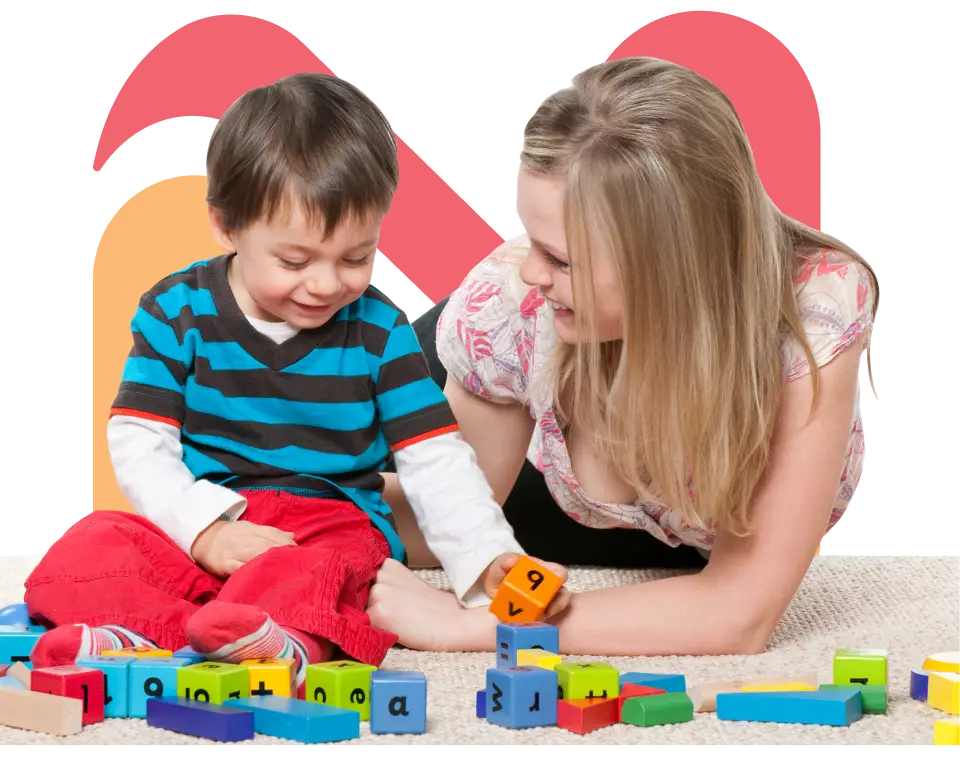
5. Support for Children with Autism
SADC provides specialised support for children diagnosed with ASD, including:
- Routine building
- Play-based learning
- Early intervention-style support
- Social skill development
- School readiness assistance
- Homework and educational support
- Sensory regulation strategies
Their gentle, child-friendly approach helps families feel supported throughout their child’s developmental journey.
6. Support Coordination for Autistic Participants
SADC offers Support Coordination to help families navigate NDIS complexities.
Services include:
- Explaining NDIS funding related to autism
- Connecting with therapists and specialists
- Managing service providers
- Reviewing progress and goals
- Preparing for plan reviews
This is especially valuable for families who are new to the NDIS or overwhelmed by the system.
7. Respite and Short-Term Support for Families
Caring for an autistic family member can be emotionally and physically exhausting.
SADC provides respite solutions that:
- Give families time to rest
- Offer participants fun, structured activities
- Provide skilled supervision
- Ensure safety, comfort, and wellbeing
Respite can occur at home or within the community.
8. Supported Independent Living (SIL) for Autistic Adults
SIL helps autistic adults live in a home-like environment with 24/7 support.
SADC offers:
- Skill development
- Personal care
- Household assistance
- Social engagement
- Medication support
- Safety monitoring
Their SIL homes are structured, calm, and sensory-friendly—ideal for autistic participants who thrive on routine.

Why Families in Parramatta Choose SADC for Autism Support
There are many NDIS providers in Parramatta, but SADC is often preferred because families feel genuinely supported.
1. Genuine Care and Compassion
SADC treats every participant with respect, dignity, and kindness. Their support workers build meaningful relationships based on trust.
2. Expertise with Autism
Their team understands autism deeply—especially sensory needs, communication styles, and behavioural triggers.
3. Strong Communication with Families
SADC keeps families informed, involved, and empowered throughout the support journey.
4. Flexible and Reliable Services
Support is provided when and where families need it, without unnecessary delays.
5. Focus on Participant Growth
SADC’s primary goal is helping autistic individuals thrive, not just meeting minimum service expectations.
How SADC Helps Parramatta Families Navigate NDIS Autism Funding
Understanding how autism support is funded under the NDIS can be confusing. SADC guides families through the entire process, from planning to service implementation.
They help families understand funding categories like:
✔ Core Supports
For daily living, social participation, and help with routine tasks.
✔ Capacity Building Supports
For improving independence, communication, and life skills.
✔ Improved Daily Living
For therapeutic support and allied health services.
✔ Support Coordination
For managing and organising services.
✔ Home and Living Supports (SIL/ILO)
For participants who need structured living environments.
SADC ensures participants receive the maximum benefit from their plan.
A Day in the Life of an Autistic Participant Supported by SADC
To understand SADC’s impact, consider a typical support day:
Morning
- Calm support with waking up
- Visual schedule for daily routine
- Assistance with hygiene and breakfast
- Preparing for school or planned activities
Mid-Day
- Community outing
- Structured learning or skill-building
- Sensory-friendly breaks
- Communication practice
Evening
- Help with meal preparation
- Household management skills
- Relaxation and sensory regulation
Throughout the day, SADC provides patience, structure, and understanding.
Long-Term Impact of SADC’s Autism Support
Families consistently report improvements in:
- Self-confidence
- Communication
- Daily living independence
- Emotional regulation
- Social skills
- Community participation
These outcomes reflect SADC’s dedication to meaningful, long-term development.
Conclusion: The Best Autism Support in Parramatta with SADC Disability Services
For autistic individuals to thrive, they need supportive environments, structured guidance, and services delivered with compassion and expertise. SADC Disability Services offers exactly that—high-quality, person-centred autism support that transforms lives.
Whether the participant is a child needing routine building, a teen building social skills, or an adult seeking independence, SADC stands beside them with unwavering dedication.
Families in Parramatta trust SADC because they listen, they understand, and they genuinely care.
SADC Disability Services continues to be a leading choice for NDIS autism support in Parramatta—and for good reason: their approach is human, empowering, and tailored for growth.
Get in touch
91 Belmore Rd, Riverwood NSW 2210
1300 242 492
SADC disability services
✅ FAQs on NDIS Support for Autism in Parramatta – SADC Disability Services
- What autism support does SADC provide in Parramatta?
SADC offers personalised daily living support, behaviour assistance, social participation, skill development, support coordination, respite, and more. - Does SADC support both children and adults with autism?
Yes, SADC supports participants of all ages. - Can SADC help with emotional regulation for autistic individuals?
Yes, they offer sensory regulation, calming strategies, and behavioural support. - Does SADC offer community participation programs?
Yes, they help participants join activities safely and confidently. - Do SADC support workers have autism-specific training?
Yes, staff are trained to support neurodiverse individuals. - Can SADC assist with routines and daily structure?
Absolutely, routines are a key part of their autism support. - Does SADC offer in-home autism support?
Yes, they provide flexible in-home assistance. - Can SADC help with school transitions for autistic children?
Yes, they assist with school readiness and support. - Does SADC offer SIL for autistic adults?
Yes, they provide supported independent living environments. - Do they help with communication skill development?
Yes, they support expressive and receptive communication. - Can SADC help with sensory needs?
Yes, they use sensory-friendly methods and strategies. - Do they provide social skill development?
Yes, through structured and safe social programs. - Can SADC assist with community safety training?
Yes, they teach safety awareness and practical skills. - Does SADC offer respite services?
Yes, for families needing temporary support. - Do they help families understand NDIS autism funding?
Absolutely—they guide families through funding categories. - Can SADC support autistic teens with independence skills?
Yes, including cooking, time management, and travel training. - Does SADC support non-verbal participants?
Yes, using tailored communication tools. - Can they help with behaviour support planning?
Yes, they assist in behaviour regulation and positive strategies. - Do they work with therapists?
Yes, they collaborate with allied health professionals. - Can SADC accompany participants to appointments?
Yes, they offer appointment support. - Do they provide transport assistance?
Yes, support workers can assist with travel. - Does SADC offer culturally sensitive autism support?
Yes, they respect cultural needs and language preferences. - Is support flexible based on daily needs?
Yes, SADC tailors services to participant routines. - Can SADC help prepare for NDIS reviews?
Yes, through Support Coordination. - Do they support independent living skill development?
Yes, this is a core part of their autism programs. - Can SADC help participants manage anxiety?
Yes, through sensory-friendly and calming routines. - Do they provide weekend or evening support?
Yes, depending on participant needs. - Does SADC provide support at community events?
Yes, with planning and sensory considerations. - Do they help with meal planning and cooking?
Yes, as part of life skill development. - Can SADC assist with emotional wellbeing?
Yes, using supportive strategies and positive reinforcement. - Do they offer personalised autism plans?
Yes, every participant receives a unique plan. - Can SADC help with building friendships?
Yes, through guided social opportunities. - Do they support participants with high sensory needs?
Yes, using gentle, tailored approaches. - Can SADC help with toileting or hygiene routines?
Yes, respectfully and privately. - Do they provide behavioural intervention support?
Yes, focusing on positive skill-building. - Can SADC help autistic adults find purpose and hobbies?
Yes, through community involvement and interest-based programs. - Do they provide support during transitions (school, work, home)?
Yes, helping participants adjust smoothly. - Can SADC help participants become more independent?
Yes, independence is a major focus of their autism support. - Do they support participants with severe autism?
Yes, including those needing higher levels of assistance. - Can SADC provide long-term autism support?
Yes, they offer ongoing, consistent support. - Do they help autistic adults learn employment skills?
Yes, through capacity-building activities. - Can SADC help develop communication routines for daily tasks?
Yes, using visual and structured tools. - Do they assist participants who struggle with changes?
Yes, by building predictable routines with gradual transitions. - Can SADC help autistic individuals participate in fitness or sports?
Yes, based on sensory compatibility and interest. - Is SADC a trusted autism support provider in Parramatta?
Yes, they are widely recognised for their high-quality, compassionate support.
Get in touch
91 Belmore Rd, Riverwood NSW 2210
1300 242 492
SADC disability services