Life Skills Group Programs in Sydney – SADC Disability Services
Life skills group programs in Sydney are transformative opportunities designed to support individuals with disability in building practical competencies, enhancing independence, and fostering meaningful community participation. These programs combine skill development, social engagement, and personalised support to help participants navigate daily life with confidence and resilience. At SADC Disability Services, our life skills group programs in Sydney are thoughtfully designed to meet the diverse needs, goals, and aspirations of adults with disability, ensuring that each person has the opportunity to grow in a safe, supportive, and encouraging environment.
✓ SADC Expertise: Our team comprises certified disability support workers trained in evidence-based practices. All staff hold relevant qualifications including Disability Support Work Certification, First Aid & CPR, and Working With Children Check (WWCC). We maintain strict compliance with NDIS quality and safeguarding standards.
In this comprehensive guide, we explore the purpose and impact of life skills group programs in Sydney, the core components of effective group experiences, the benefits for participants and families, and how SADC Disability Services delivers high-quality programs that align with the aspirations and rights of individuals engaged in the National Disability Insurance Scheme (NDIS). Whether your goals focus on independent living, community participation, interpersonal communication, or everyday competence, life skills group programs offer structured opportunities to build confidence and capability.
Understanding Life Skills Group Programs in Sydney
What Are Life Skills Group Programs?
Life skills group programs in Sydney are structured educational and experiential activities where participants learn, practise, and refine skills necessary for day-to-day living. These programs provide a blend of group-based instruction, hands-on learning, and real-world application aimed at enhancing independence, adaptability, and quality of life.
Unlike isolated one-to-one interventions, life skills group programs leverage the social dynamics of group learning — enabling participants to learn with and from peers, developing social understanding alongside practical competencies.
Why Are Life Skills Important?
Life skills are the foundation for independence and wellbeing. They include a broad range of competencies such as communication, problem-solving, self-care, money management, household routines, social interaction, and community navigation. For many individuals with disability, learning these skills in real-life and peer-supported environments builds confidence and prepares them for meaningful engagement in all aspects of life.
Life skills make everyday tasks less daunting and more manageable, empowering individuals to take control of their lives in ways that align with their personal goals.

The Philosophy Behind Group-Based Life Skills Programs
Person-Centred Support
At SADC Disability Services, life skills group programs in Sydney are grounded in person-centred practice. This means each participant’s strengths, interests, and aspirations guide the program experience. We recognise that learning is most effective when it reflects what matters to the individual, not what others assume they need.
Programs begin with a thorough understanding of each participant’s goals, existing competencies, and areas of interest, ensuring that learning experiences are meaningful and relevant.
Strengths-Based Approach
A strengths-based approach acknowledges the abilities and potential within every individual. Life skills group programs in Sydney emphasise what participants can do, rather than focusing only on areas of difficulty. Activities are designed to highlight success, celebrate progress, and build on existing capacities.
This approach builds confidence and reinforces positive self-image — essential ingredients for long-term achievement.
Inclusive and Supportive Group Dynamics
In group settings, participants learn from each other, share feedback, and celebrate progress together. Life skills group programs in Sydney enhance social learning through shared experiences, mutual respect, and encouragement. These dynamics not only support skill acquisition but also strengthen social networks and reduce isolation.
Participants bring unique perspectives and strengths to group interactions, creating rich opportunities for learning and connection.
Core Components of Life Skills Group Programs
Communication and Interpersonal Skills
Effective communication is central to independence. Life skills group programs in Sydney include activities that strengthen verbal and non-verbal communication, active listening, expressing needs and preferences, and understanding social cues. Participants engage in role-play, group discussions, and real-life communication tasks that build confidence and competence.
These skills support relationships, reduce conflict, and enhance participants’ ability to advocate for themselves in diverse situations.
Daily Living and Household Management
Daily living skills form the foundation of independent life. Programs may include practical tasks such as cooking, cleaning, laundry, organisation, self-care routines, and safety awareness. Participants learn not only how to perform these tasks but also why they matter for wellbeing. Hands-on demonstrations, guided practice, and peer collaboration encourage mastery.
Developing these routines supports autonomy and builds competence in managing personal space and responsibilities.
Financial Literacy and Budgeting
Managing money is a critical life skill that impacts everyday living. Life skills group programs in Sydney help participants understand budgeting, saving, spending choices, bank transactions, and basic financial planning. Through real-life examples and practical exercises, individuals gain confidence in managing personal finances.
These activities demystify financial systems and build lifelong competencies.
Social Participation and Community Engagement
Life skills group programs often include social activities designed to build confidence in community settings. Participants practise planning, using public transportation, navigating community spaces, and interacting with diverse groups of people. These experiences help reduce social anxiety and increase comfort in public environments.
Community engagement also reinforces independence and a sense of belonging.
Problem-Solving and Decision-Making
Problem-solving and decision-making are key life skills that support independence. Group activities encourage participants to think through challenges, weigh options, make decisions, and reflect on outcomes. Facilitators guide discussions and provide frameworks that help participants approach decisions with confidence and clarity.
These competencies are vital for navigating daily life and personal goals.
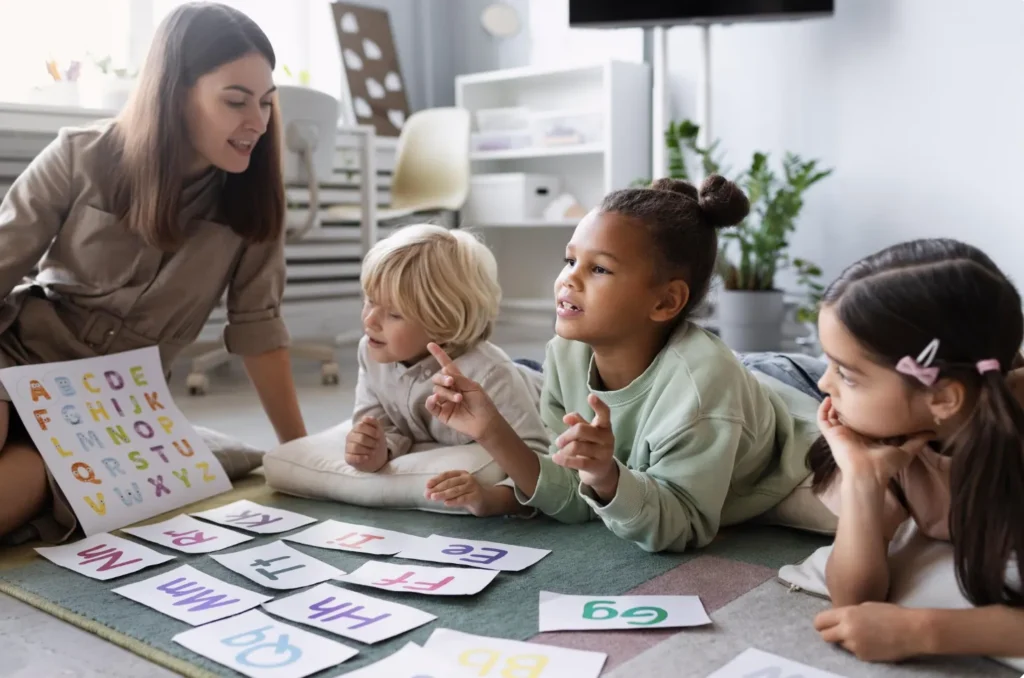
Structuring Effective Life Skills Programs
Assessing Individual Goals and Needs
Each participant enters a group with their own strengths and areas of growth. Initial assessments help clarify individual goals, personal preferences, and areas where participants wish to build confidence. This assessment informs group design, activities, and learning pathways.
Personalised pathways ensure that each individual’s journey feels relevant and purposeful.
Collaborative Planning
Life skills group programs in Sydney are collaboratively planned with participants, families, and support coordinators. By involving everyone in planning, we ensure that programs align with personal aspirations, NDIS goals, and real-life needs. Collaborative engagement fosters ownership and motivation.
Participants are more likely to engage deeply when they feel heard and involved in planning.
Structured Learning With Flexibility
While life skills group programs follow clear learning objectives, flexibility remains essential. Participants learn at their own pace, and activities can be adapted to meet diverse needs. This balanced approach means that structure supports progress, while flexibility respects individual comfort levels.
Adaptive learning fosters both confidence and competence.
Ongoing Review and Reflection
Life skills are dynamic — they grow and evolve. Regular review of progress helps participants see what they have achieved and what they want to work on next. Reflection sessions encourage individuals to articulate their experiences, challenges, and wins.
Celebrating progress reinforces motivation and builds momentum for future growth.
Benefits of Participating in Life Skills Group Programs
Enhanced Independence
Developing life skills through group activities significantly enhances independence. Participants practise real-life tasks in supportive environments where mistakes are seen as valuable learning opportunities. With increased competence in daily routines, communication, and decision-making, individuals gain greater control over their lives.
This sense of independence is empowering and deeply meaningful.
Increased Confidence and Self-Esteem
As participants acquire competencies and achieve small goals, confidence naturally grows. Group programs provide frequent opportunities for success — whether mastering a new task, contributing to a group, or navigating a community activity.
These successes — big or small — build self-esteem and reinforce a belief in personal capability.
Stronger Social Networks
Group programs foster connections between participants who share experiences, challenges, and aspirations. Peer relationships formed in these settings often extend beyond structured sessions. Friendship, mutual support, and shared understanding emerge naturally.
These social bonds reduce isolation and enhance overall wellbeing.
Improved Mental and Emotional Wellbeing
Life skills group programs support emotional resilience by providing purpose, routine, and social engagement. Participants engage in meaningful activities that nourish their wellbeing. Emotional regulation, coping skills, and self-reflection are often embedded in group learning.
A sense of belonging and achievement contributes to sustained mental health benefits.
Real-World Preparedness
The practical focus of life skills group programs ensures that learning applies directly to everyday life. Participants practise skills that help them navigate personal responsibilities, community environments, relationships, and opportunities for growth.
This real-world relevance strengthens both competence and confidence.

The Role of Support Workers in Life Skills Group Programs
Skilled Facilitation and Guidance
Support workers play a critical role in facilitating life skills group programs in Sydney. They provide expert guidance, encouragement, and practical assistance while allowing participants to practise independence.
Their role is not to take over tasks but to scaffold learning — offering support when needed and stepping back when participants are ready to take the lead.
Building Trust and Relationships
Meaningful learning occurs in environments where participants feel safe, respected, and understood. Support workers build trusting relationships that create psychological safety. Participants feel encouraged to take positive risks, express themselves, and engage more fully in activities.
These relationships enhance both participation and wellbeing.
Responsive Support and Adaptation
Every participant’s needs are unique, and support workers adapt activities accordingly. Whether adjusting communication style, modifying tasks, or creating sensory-aware environments, responsive support ensures that all participants can engage meaningfully.
This adaptability strengthens inclusion and fosters success.
Incorporating Families and Carers
Understanding Family Goals
Families and carers are often deeply involved in participants’ lives and goals. Life skills group programs incorporate family insights to ensure activities align with personal and household priorities.
Family perspectives help tailor learning to real-life contexts.
Supporting Families Through Information and Connection
Life skills group programs also offer opportunities for families to learn, connect, and feel supported. SADC Disability Services encourages open communication and collaboration with families, ensuring everyone feels informed and involved.
This shared understanding enriches the participant’s overall support environment.
Connecting Life Skills With the NDIS
Aligning with NDIS Goals
Life skills group programs in Sydney often align directly with goals set within NDIS plans. These may include community participation, increased independence, improved communication, and enhanced daily living skills.
Program participation can demonstrate measurable progress toward funded goals.
Evidence of Progress and Outcomes
Regular documentation of participant progress — including skills acquired, participation level, and confidence growth — supports NDIS plan reviews. Good documentation helps justify ongoing funding and secures future opportunities for support.
It also empowers participants by making their progress visible.
Flexible Funding Options
Life skills group programs can be accessed through various funding categories depending on individual NDIS plans. Families and support coordinators can discuss how best to allocate funding to support ongoing participation.
Flexibility ensures that supports remain both effective and sustainable.
Examples of Life Skills Activities in Group Programs
Cooking and Nutrition Workshops
Participants learn meal planning, food preparation, and kitchen safety together. These workshops build practical skills and encourage healthier lifestyles. Group collaboration adds a social element, making learning both useful and enjoyable.
Money Management and Budgeting Sessions
Money handling, budgeting exercises, and financial decision-making are practised through real-life scenarios. These sessions demystify financial skills and build confidence in managing personal expenses and choices.
Communication and Social Interaction Games
Interactive group games encourage conversation, cooperation, and confident expression. Participants practise communication styles, listening, and social engagement. These skills help participants navigate social contexts beyond the program.
Community Navigation and Outings
Trips to local markets, libraries, or community spaces allow participants to practise independence in real-world settings. Support workers guide navigation, safety, and interpersonal interactions. These experiences build comfort in public environments.
Creative Expression and Problem-Solving
Creative workshops encourage participants to express themselves and approach challenges with flexibility. Whether through art, movement, or collaborative tasks, creative sessions foster innovation and confidence.
Overcoming Barriers to Participation
Addressing Anxiety and Hesitation
Entering group programs can be daunting for some individuals, especially if they experience anxiety or past negative experiences. Support workers offer gradual engagement strategies, familiarisation sessions, and personalised encouragement. Participants are supported at their comfort level rather than rushed.
Tailoring to Diverse Abilities
Not all participants learn in the same way. Life skills group programs are adapted to suit communication styles, sensory needs, learning preferences, and pace. A flexible and responsive approach ensures everyone feels included and capable.
Celebrating Success and Growth
Recognising Individual Progress
Every participant’s journey is unique, and progress may look different for each person. Life skills group programs celebrate achievements — whether mastering a new skill, making a new friend, or stepping out of a comfort zone.
Celebration reinforces motivation and builds positive identity.
Shared Achievements and Group Pride
Group settings allow shared celebration, encouraging participants to recognise not only their own progress but also that of their peers. This collective pride builds community and mutual respect.
Looking to the Future
Lifelong Learning and Development
Life skills group programs are not limited to short-term participation. They support lifelong learning, inviting participants to continue exploring, developing, and refining skills as goals evolve. This long-term perspective reinforces resilience and sustained growth.
Increasing Community Inclusion
By participating in life skills group programs in Sydney, individuals become more connected, confident, and visible within their communities. This fosters not only personal growth but also broader cultural inclusion and acceptance.
Why Choose SADC Disability Services for Life Skills Group Programs
Commitment to Respect and Dignity
SADC Disability Services values each individual’s dignity, autonomy, and potential. Life skills group programs are delivered with respect, kindness, and unwavering commitment to personal growth.
Skilled, Compassionate Support Workers
Our team brings expertise, empathy, and genuine care to every interaction. Support workers build trusting relationships that enable participants to thrive.
Individualised and Meaningful Experiences
Each program reflects the goals, interests, and strengths of participants, ensuring meaningful experiences that resonate beyond structured sessions.
Final Thoughts on Life Skills Group Programs in Sydney
Life skills group programs in Sydney are powerful tools for growth, connection, and independence. Through structured learning, supportive relationships, real-world application, and meaningful challenges, participants build competencies that enrich every aspect of life. At SADC Disability Services, we are proud to deliver life skills group programs that help adults discover strengths, expand independence, and participate confidently in their communities.
Whether someone is building practical skills, expanding social connections, or pursuing personal goals, these programs provide pathways to empowerment — one day, one skill, and one connection at a time. Life skills group programs are not just about learning tasks; they are about building life.
Get in touch
91 Belmore Rd, Riverwood NSW 2210
1300 242 492
SADC disability services
Faqs on Life Skills Group Programs in Sydney – SADC Disability Services:-
1. What are life skills group programs in Sydney?
Life skills group programs in Sydney are structured sessions where adults with disability learn and practise practical skills needed for daily living. These programs combine hands-on activities, social engagement, and guided learning. They aim to improve independence, confidence, and community participation. Participants develop skills in areas such as communication, self-care, household management, and decision-making.
2. Who can join life skills group programs?
These programs are designed for adults with intellectual, physical, sensory, or psychosocial disabilities. They cater to participants with varying levels of independence and support needs. Entry often aligns with NDIS goals and individual support plans. Activities are adapted to meet the unique needs of each participant.
3. What types of skills are taught in life skills group programs?
Programs cover a wide range of skills, including communication, social interaction, personal hygiene, cooking, budgeting, problem-solving, and community navigation. Participants also practise teamwork and decision-making. These skills are essential for fostering independence. They are taught in a supportive and hands-on group environment.
4. How do life skills programs improve independence?
By practising real-life tasks in a structured environment, participants build confidence and competence. Support workers guide participants while allowing them to perform tasks themselves. Over time, participants rely less on assistance. Increased independence improves their daily functioning and quality of life.
5. Are life skills group programs funded through the NDIS?
Yes, many participants access life skills programs through NDIS funding under Core Supports or Capacity Building categories. Funding eligibility depends on individual goals and plan allocations. Programs must align with NDIS objectives such as skill development and social participation. Support coordinators can assist families with accessing funding.
6. How often can participants attend?
Attendance varies based on individual goals, schedules, and NDIS plans. Some participants attend weekly, while others attend multiple days. Flexible scheduling accommodates personal preferences and support needs. Consistent participation helps establish routine and reinforces learning.
7. Are the programs suitable for participants with high support needs?
Yes, life skills group programs are designed to include individuals with complex support requirements. Skilled staff provide personalised assistance while promoting independence. Activities are adapted to ensure accessibility and safety. All participants can engage meaningfully in program sessions.
8. How do group programs help with social skills?
Group programs provide a safe space to practise communication, teamwork, and social interaction. Participants engage in group discussions, collaborative tasks, and shared activities. They learn to read social cues, take turns, and cooperate with peers. These skills transfer to social situations outside the program.
9. What role do support workers play in these programs?
Support workers facilitate activities, provide guidance, and ensure safety. They encourage independence while offering support when needed. They also help manage group dynamics and foster positive interactions. Their role is to empower participants to succeed.
10. Can participants choose which activities they do?
Yes, participants are encouraged to select activities based on their interests and goals. Choice increases engagement, motivation, and enjoyment. Activities are flexible to accommodate preferences and skill levels. This person-centred approach ensures relevance and satisfaction.
11. How do life skills programs support mental wellbeing?
Engaging in structured activities, building competence, and connecting socially improves mood and reduces stress. Participants feel valued and included, which enhances emotional wellbeing. Programs also teach coping and problem-solving skills. This holistic approach strengthens overall mental health.
12. Are community outings part of the programs?
Yes, community outings are included to practise real-life skills in public settings. Activities may include visiting shops, libraries, or recreational areas. These excursions build confidence, independence, and social inclusion. Participants learn to navigate their community safely and effectively.
13. Can these programs help reduce social isolation?
Absolutely. By fostering friendships and social connections, participants experience less isolation. Group activities create opportunities for interaction and mutual support. Feeling part of a community enhances emotional wellbeing. Regular attendance strengthens social networks.
14. Are programs tailored to individual goals?
Yes, each participant’s NDIS goals, strengths, and aspirations guide program content. Individualised planning ensures that activities are meaningful and relevant. Progress is regularly reviewed to adjust goals as needed. This approach maximises personal growth and success.
15. How do families benefit from these programs?
Families gain reassurance that their loved one is engaged in a safe, structured, and supportive environment. They observe improvements in confidence, independence, and social skills. Programs may reduce caregiver stress by providing respite and skill development support. Families also stay informed and involved in progress.
16. Are life skills programs age-appropriate?
Yes, programs are specifically designed for adults, ensuring that activities and interactions are suitable for their age group. Grouping considers shared interests, abilities, and developmental needs. Participants feel respected and comfortable. This approach fosters engagement and inclusion.
17. How do the programs support skill development?
Participants learn by doing, practising tasks in a guided yet hands-on environment. Skills include communication, problem-solving, personal care, and household management. Group interaction reinforces social learning. Ongoing practice ensures skill retention and growth.
18. What if a participant is anxious about joining?
Support workers provide gradual introductions and familiarisation sessions. Activities are paced to match comfort levels. Participants are encouraged to participate without pressure. Confidence builds over time as they experience positive, supported learning.
19. Are programs flexible to changing needs?
Yes, programs are adaptable to individual progress, preferences, and emerging goals. Activities, pace, and support levels can be modified. Flexibility ensures that participants remain engaged and successful. Continuous review maintains program relevance.
20. How do programs encourage creativity?
Creative activities such as art, music, and collaborative projects are incorporated. Participants explore self-expression and problem-solving through creativity. Creativity boosts confidence and emotional wellbeing. It also provides opportunities for discovery and enjoyment.
21. Can programs help with routine and structure?
Yes, structured sessions help participants develop daily routines and time management skills. Consistent schedules reinforce independence and responsibility. Participants learn to plan, prioritise, and complete tasks effectively. Routine also supports emotional stability and focus.
22. How is safety managed in life skills programs?
Safety is a priority, ensured through trained staff, risk assessments, and appropriate supervision. Activities are adapted to minimise hazards while promoting independence. Participants are encouraged to follow safety guidelines. Dignity and wellbeing are always maintained.
23. What outcomes can participants expect?
Participants often gain increased confidence, practical independence, social competence, and emotional resilience. They experience personal growth aligned with individual goals. Skills learned are applied to everyday life. Progress is measured and celebrated regularly.
24. Can programs support long-term development goals?
Yes, life skills group programs build capacity for lifelong learning and independence. Skills learned support community participation, employment readiness, and personal growth. Long-term outcomes are aligned with NDIS goals. Regular review ensures sustained progression.
25. Why choose SADC Disability Services for life skills group programs?
SADC Disability Services offers person-centred programs focused on independence, inclusion, and wellbeing. Experienced support workers deliver engaging and meaningful sessions. Programs are tailored to each participant’s strengths, goals, and preferences. Participants gain practical skills, confidence, and community connections in a supportive environment.
Get in touch
91 Belmore Rd, Riverwood NSW 2210
1300 242 492
SADC disability services