Table of Contents
Disability School Holiday Programs in NSW – SADC Disability Services
Disability School Holiday Programs in NSW: Disability school holiday programs in NSW play an essential role in supporting children and young people with disability during school breaks. For many families, school holidays can be both a joyful and challenging time. While children look forward to time away from school routines, parents and carers often face concerns around supervision, meaningful engagement, social inclusion, and continuity of support. At SADC Disability Services, we understand these realities and deliver disability school holiday programs in NSW that are safe, inclusive, enriching, and centred on the unique needs, interests, and abilities of every participant.
Our programs are designed to create positive holiday experiences where children and young people feel confident, valued, and supported to explore new activities, build friendships, and develop important life skills. This comprehensive guide explains what disability school holiday programs in NSW involve, why they matter, how they support families, and how SADC Disability Services delivers high-quality programs aligned with NDIS goals and community inclusion.
Understanding Disability School Holiday Programs in NSW
What Are Disability School Holiday Programs?
Disability school holiday programs in NSW are structured support programs offered during school holiday periods for children and young people with disability. These programs provide safe, engaging, and supervised activities that promote social interaction, skill development, and enjoyment while schools are closed.
Unlike general holiday care, disability-focused programs are designed with accessibility, individual support needs, and inclusion at their core. Activities are adapted to ensure that every participant can take part meaningfully and comfortably.
Why Disability School Holiday Programs Are Important
School holidays often disrupt routines that children with disability rely on for stability and confidence. Without structured activities, some children may experience boredom, isolation, or increased anxiety. Disability school holiday programs in NSW provide continuity, structure, and positive engagement during these breaks.
For families and carers, these programs offer reassurance and respite, knowing their child is supported in a safe, nurturing environment. They also help families maintain work, caregiving, and personal commitments during holiday periods.

Who Benefits from Disability School Holiday Programs?
Children and Young People with Disability
Disability school holiday programs in NSW support children and young people across a wide range of abilities and support needs. Participants may include those with physical disability, intellectual disability, autism, psychosocial disability, or multiple support needs.
Programs are flexible and inclusive, allowing each child to participate at their own pace while feeling encouraged, respected, and supported.
Families and Carers
Families benefit greatly from well-structured holiday programs. Knowing their child is engaged in meaningful activities with trained support staff provides peace of mind and reduces stress. These programs also help families maintain balance during school holidays, which can otherwise be demanding.
Parents and carers often report improved wellbeing when they have reliable, high-quality holiday support for their children.
Broader Community and Support Networks
Disability school holiday programs in NSW also contribute positively to communities by promoting inclusion, understanding, and participation. When children with disability are actively involved in community-based activities, it fosters awareness and acceptance.
Support networks, including therapists and educators, also benefit from continuity of engagement during school breaks.
Core Principles of Disability School Holiday Programs
Inclusion and Accessibility
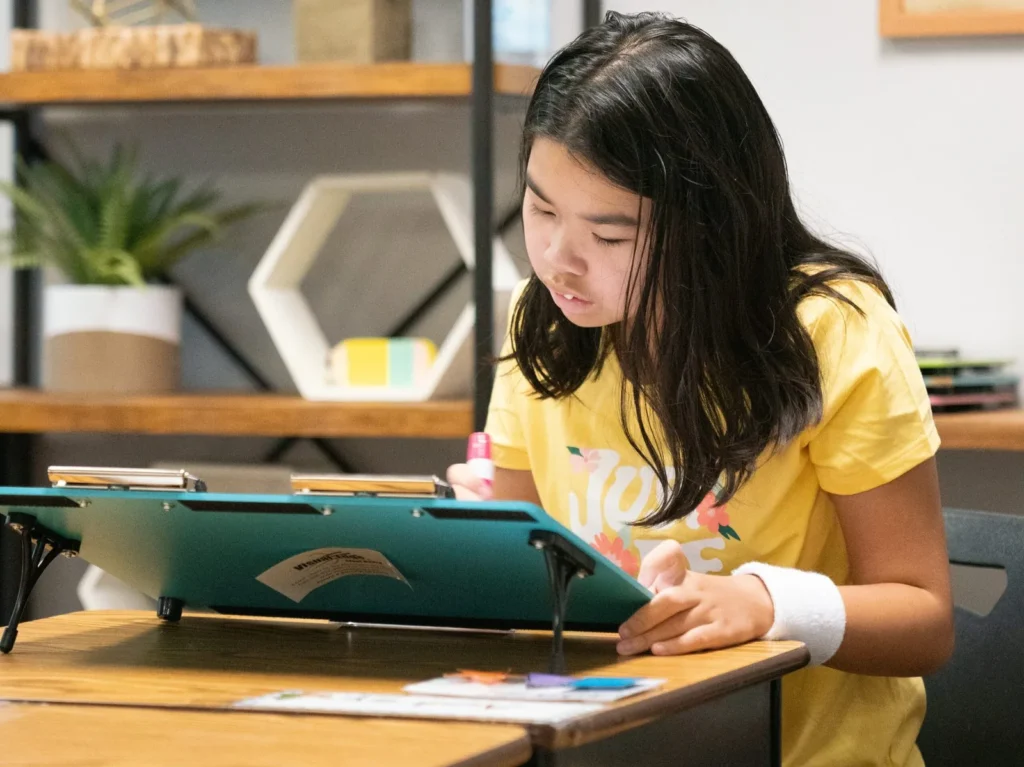
Inclusion is central to effective disability school holiday programs in NSW. Activities are designed so that all participants can take part, regardless of physical, cognitive, or sensory needs. This may involve adapting environments, modifying activities, or providing additional support.
Accessibility ensures that children feel welcome and capable, rather than excluded or overwhelmed.
Safety and Wellbeing
Safety is a top priority in disability school holiday programs. This includes physical safety, emotional wellbeing, and psychological security. Programs are staffed by trained professionals who understand disability support, behaviour support, and child safety requirements.
Clear routines, supervision, and risk management practices help create a calm and secure environment.
Person-Centred Support
Each child is unique, and disability school holiday programs in NSW reflect this individuality. Programs are tailored to participants’ interests, strengths, communication styles, and support needs. Person-centred planning ensures children feel heard and respected.
This approach enhances engagement and builds confidence.
Types of Activities in Disability School Holiday Programs
Social and Recreational Activities
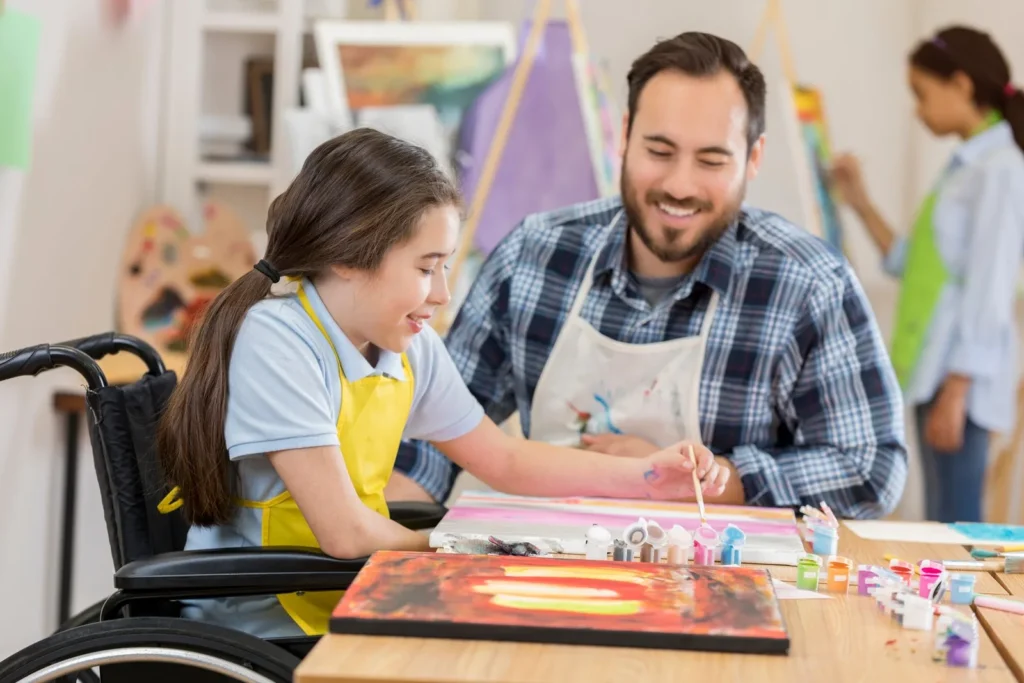
Social engagement is a key focus of disability school holiday programs in NSW. Activities such as group games, creative workshops, music sessions, and interactive play help children build friendships and social skills.
These experiences promote communication, cooperation, and shared enjoyment.
Community-Based Outings
Community outings are often a highlight of holiday programs. Trips to local parks, libraries, recreational centres, and community spaces help children explore their surroundings in a supported way.
Community participation fosters independence, confidence, and a sense of belonging.
Skill-Building and Learning Activities
Disability school holiday programs also incorporate skill-building activities that support personal development. These may include cooking sessions, art and craft projects, basic life skills, and problem-solving activities.
Learning through play helps children develop practical skills while having fun.
Creative and Sensory Experiences
Creative and sensory activities are especially beneficial for children with sensory processing differences. Art, music, movement, and sensory play provide opportunities for expression, relaxation, and enjoyment.
These activities support emotional regulation and self-expression.
How Disability School Holiday Programs Support Development
Building Social Skills
Social interaction is a major benefit of disability school holiday programs in NSW. Children practice communication, turn-taking, cooperation, and empathy in a supportive group setting.
Positive social experiences during holidays can strengthen confidence and peer relationships.
Supporting Emotional Wellbeing
Structured holiday programs provide predictability and reassurance, which is especially important for children who struggle with change. Supportive staff help children manage emotions, build resilience, and feel safe expressing themselves.
Emotional wellbeing is nurtured through encouragement, understanding, and consistent support.
Encouraging Independence
Disability school holiday programs encourage children to try new things and make choices. Simple opportunities to decide activities, manage belongings, or participate independently build confidence and self-esteem.
Over time, these experiences contribute to greater independence.
The Role of Support Staff in Holiday Programs
Qualified and Experienced Professionals
Support staff play a crucial role in delivering high-quality disability school holiday programs in NSW. Staff are trained in disability support, child safety, communication strategies, and behaviour support.
Their experience ensures that participants receive respectful, appropriate, and effective support.
Building Trusting Relationships
Strong relationships between staff and participants are essential. Trust allows children to feel safe, try new activities, and engage fully. Staff take time to understand each child’s needs, preferences, and communication style.
This relational approach enhances program outcomes.
Supporting Positive Behaviour
Support staff use positive behaviour support strategies to encourage participation and manage challenges. Clear expectations, encouragement, and proactive support help children feel successful rather than frustrated.
This creates a positive and inclusive group environment.
Alignment with NDIS Goals
Using NDIS Funding for Holiday Programs
Many disability school holiday programs in NSW can be accessed using NDIS funding, depending on a participant’s plan and goals. These programs often align with goals related to community participation, social skills, and independence.
SADC Disability Services supports families in understanding how holiday programs fit within NDIS plans.
Supporting Capacity Building
Holiday programs contribute to capacity building by developing social, communication, and daily living skills. These outcomes align with NDIS objectives focused on long-term independence and wellbeing.
Learning during holidays can be just as impactful as learning during school terms.
Benefits for Families and Carers
Reliable Support During School Holidays
Disability school holiday programs in NSW provide families with reliable and consistent support during periods when regular school routines are paused. This reliability reduces stress and uncertainty for parents and carers.
Knowing their child is supported allows families to plan holidays, work schedules, and rest periods more effectively.
Peace of Mind and Confidence
Families gain peace of mind knowing that their child is safe, engaged, and supported by trained professionals. Clear communication and structured programs build confidence and trust.
This reassurance is invaluable during busy holiday periods.
Strengthening Family Relationships
When children are engaged in meaningful programs, families often experience reduced stress and improved relationships. Parents and carers have time to rest, focus on other responsibilities, or spend quality time with other family members.
Balanced support benefits the whole household.
Challenges Addressed by Disability School Holiday Programs
Reducing Social Isolation
Without structured programs, some children with disability may experience isolation during school holidays. Disability school holiday programs in NSW provide opportunities for connection and friendship.
Regular interaction supports social confidence and emotional health.
Managing Transitions and Routine Changes
Changes in routine can be difficult for many children with disability. Holiday programs provide structure and predictability, easing the transition away from school routines.
This consistency helps children feel secure and regulated.
Supporting Diverse Needs
Children have diverse abilities and needs, and holiday programs must be flexible. Effective programs adapt activities, provide additional support, and respect individual differences.
This inclusivity ensures every child can participate meaningfully.
How SADC Disability Services Delivers High-Quality Holiday Programs
Person-Centred Program Design
At SADC Disability Services, disability school holiday programs in NSW are designed with participants at the centre. We consider individual goals, interests, and support needs when planning activities.
This ensures programs are engaging, respectful, and meaningful.
Safe and Supportive Environments
We prioritise safety, wellbeing, and comfort in all our programs. Clear routines, trained staff, and supportive environments help children feel secure and confident.
Families can trust that their children are cared for with professionalism and compassion.
Inclusive and Enjoyable Experiences
Our holiday programs focus on fun, inclusion, and personal growth. Activities are designed to encourage participation, creativity, and connection.
Every child is supported to enjoy their holiday experience in their own way.
Long-Term Impact of Disability School Holiday Programs
Building Confidence and Self-Esteem
Positive holiday experiences contribute to lasting confidence and self-esteem. Children who feel successful and included are more likely to engage in future activities.
These benefits extend beyond the holiday period.
Supporting Ongoing Development
Skills developed during disability school holiday programs in NSW often transfer to school, home, and community settings. Social skills, communication, and independence continue to grow over time.
Learning does not stop when school is out.
Encouraging Lifelong Participation
By fostering enjoyment and inclusion, holiday programs encourage lifelong participation in community activities. Children learn that they belong and can contribute meaningfully.
This sense of belonging supports long-term wellbeing.
Final Thoughts on Disability School Holiday Programs in NSW
Disability school holiday programs in NSW are more than just holiday care—they are opportunities for growth, connection, and joy. At SADC Disability Services, we are committed to delivering programs that support children’s abilities, nurture confidence, and provide families with reassurance and balance.
Through inclusive activities, skilled support, and person-centred planning, our programs help children and young people experience school holidays as a time of fun, learning, and meaningful participation. With the right support, holidays become a positive and empowering experience for everyone involved.
Get in touch
91 Belmore Rd, Riverwood NSW 2210
1300 242 492
SADC disability services
Faqs on Disability school holiday programs in NSW by SADC disability services:-
1. What are disability school holiday programs in NSW?
Disability school holiday programs in NSW are structured support programs offered during school holidays for children and young people with disability. They provide safe, supervised, and inclusive activities that support social interaction, skill development, and enjoyment. Programs are tailored to individual support needs.
2. Who can participate in disability school holiday programs?
Children and young people with disability who require additional support during school holidays can participate. Programs are designed to support a wide range of abilities and needs. Eligibility may depend on individual circumstances and support requirements.
3. Why are disability school holiday programs important?
School holidays can disrupt routines that many children with disability rely on. These programs provide structure, consistency, and meaningful engagement. They also reduce isolation and support emotional wellbeing.
4. How do disability school holiday programs support social skills?
Programs encourage interaction through group activities, games, and shared experiences. Children practice communication, cooperation, and turn-taking in a supportive environment. Social confidence often improves as friendships develop.
5. Are disability school holiday programs safe?
Yes, safety is a top priority. Programs are staffed by trained disability support professionals who follow strict safety and child protection practices. Activities are planned with risk management in mind.
6. What types of activities are included in holiday programs?
Activities may include creative arts, games, community outings, cooking, sports, and sensory play. Programs balance fun with learning and development. Activities are adapted to suit individual abilities.
7. Can children with high support needs attend holiday programs?
Yes, many disability school holiday programs in NSW support children with high or complex needs. Additional staffing and tailored supports ensure meaningful participation. Each child’s needs are considered individually.
8. How do holiday programs support emotional wellbeing?
Programs provide predictable routines and supportive relationships, which help children feel secure. Staff encourage positive behaviour and emotional expression. This reduces anxiety and supports self-regulation.
9. Do disability school holiday programs help build independence?
Yes, programs encourage children to make choices, try new activities, and develop daily living skills. Small achievements build confidence and independence. These skills often transfer to home and school environments.
10. Can families use NDIS funding for holiday programs?
In many cases, disability school holiday programs can be accessed using NDIS funding. This depends on the participant’s plan goals and funding categories. Families should confirm how programs align with their plan.
11. How do holiday programs support community participation?
Community outings and group activities help children engage with their local community. Supported participation builds confidence and familiarity with public spaces. This encourages long-term inclusion.
12. Are programs suitable for children with autism?
Yes, disability school holiday programs in NSW are often well-suited for children with autism. Structured routines, sensory-friendly activities, and trained staff support positive experiences. Individual needs are respected.
13. How long do disability school holiday programs run?
Programs usually run during NSW school holiday periods and may operate for several days or weeks. Session lengths can vary from half-day to full-day programs. Flexibility helps families choose suitable options.
14. How are staff trained for holiday programs?
Support staff are trained in disability support, child safety, communication strategies, and behaviour support. Many have experience working with children and young people with diverse needs. Ongoing training ensures quality care.
15. Can holiday programs help with routine and structure?
Yes, maintaining structure during school holidays is a key benefit. Programs provide consistent schedules and familiar expectations. This helps children adjust more easily during breaks.
16. How do holiday programs benefit families and carers?
Families gain peace of mind knowing their child is supported in a safe environment. Programs reduce stress and provide respite during busy holiday periods. This supports overall family wellbeing.
17. Are holiday programs inclusive of different abilities?
Inclusion is a core principle of disability school holiday programs in NSW. Activities are adapted to ensure everyone can participate meaningfully. Differences are respected and celebrated.
18. Can children make friends through holiday programs?
Yes, shared activities encourage friendship and peer connection. Many children enjoy spending time with others who share similar experiences. Social bonds often continue beyond the holiday period.
19. How are individual needs communicated to staff?
Families typically share important information about their child’s needs, preferences, and routines. Staff use this information to provide personalised support. Open communication is encouraged.
20. Do holiday programs support skill development?
Yes, programs include activities that support communication, motor skills, problem-solving, and daily living skills. Learning is integrated into enjoyable experiences. Skill development continues outside the classroom.
21. What age groups are supported in holiday programs?
Disability school holiday programs in NSW usually support children and young people across various age groups. Programs may be tailored for younger children or teenagers. Age-appropriate activities are planned.
22. How do holiday programs manage behaviour support?
Positive behaviour support strategies are used to encourage engagement and manage challenges. Staff focus on understanding behaviour rather than punishment. This creates a supportive environment.
23. Can holiday programs support confidence building?
Yes, positive experiences and achievements during programs help build self-esteem. Encouragement and success reinforce confidence. Children often feel proud of what they accomplish.
24. Are disability school holiday programs flexible?
Programs aim to be flexible to meet individual needs. Adjustments can be made to activities, schedules, or support levels. Flexibility ensures comfort and participation.
25. Why choose SADC Disability Services for disability school holiday programs in NSW?
SADC Disability Services delivers inclusive, safe, and engaging disability school holiday programs in NSW. Programs are person-centred, professionally supported, and focused on wellbeing and enjoyment. Families can trust that children are supported with care and respect.
Get in touch
91 Belmore Rd, Riverwood NSW 2210
1300 242 492
SADC disability services
inclusive school holiday programs
community access and participation