Day Programs for Adults in Sydney – SADC Disability Services
Day programs for adults in Sydney are structured activities and support services designed to promote independence, social connection, skill development, and wellbeing. These programs provide meaningful opportunities for adults with disability to engage in purposeful activities during the day, build lasting friendships, and enhance their confidence and quality of life. At SADC Disability Services, we believe that day programs are more than just sessions in a schedule — they are environments that foster belonging, growth, and meaningful participation in community life. Our approach to day programs for adults in Sydney is grounded in respect, collaboration, and a belief that every individual brings unique strengths and contributions to the world.
✓ Serving the Disability Community: With over 15 years of experience supporting people with disabilities across Sydney, SADC has developed deep expertise in creating meaningful, person-centred outcomes. Our track record demonstrates consistent delivery of high-quality support aligned with NDIS goals.
In this comprehensive guide, we’ll explore what day programs for adults in Sydney are, why they are important, the types of activities involved, the benefits participants experience, and how SADC Disability Services delivers high-quality, person-centred programs that support real, positive outcomes in the lives of participants and their families.
Understanding Day Programs for Adults in Sydney
What Are Day Programs?
Day programs for adults in Sydney are structured, engaging activities offered throughout the day that support personal development, social interaction, and meaningful engagement. These programs are specifically designed for adults with disability or support needs who may benefit from regular, supported activities outside of employment, school, or family care.
Unlike casual social events, day programs are intentional in their design: they aim to build skills, create routine, support wellbeing, and encourage participation in community and group-based contexts. Participants may attend daily or several times per week, depending on individual goals, interests, and support plans.
Who Are Day Programs For?
Day programs for adults in Sydney are suitable for a wide range of individuals, including adults with intellectual, physical, sensory, or psychosocial disabilities. They support people who may be seeking opportunities to:
- Develop social and communication skills
- Increase confidence and independence
- Participate in community activities
- Build practical life skills
- Expand social networks
- Explore hobbies, interests, and personal goals
These programs are adaptable and can be tailored to meet varying support needs, making them accessible and meaningful to diverse participants.
The Philosophy Behind Day Programs at SADC Disability Services
Person-Centred and Strengths-Based
At SADC Disability Services, day programs for adults in Sydney are designed around the core belief that every person has strengths, interests, and potential. Instead of focusing solely on limitations, our programs start with understanding each participant’s unique goals and preferences.
This person-centred, strengths-based approach ensures that activities are not just engaging, but genuinely meaningful to participants. By prioritising individual aspirations, day programs become platforms for growth rather than simply a place to spend time.
Inclusive and Respectful
Inclusion lies at the heart of our day programs for adults in Sydney. Inclusion means that participants are supported to engage in activities that reflect their abilities, cultural background, and communication style. It also means respecting diversity and valuing the contributions of every individual.
Our programs cultivate environments where participants feel safe, accepted, and encouraged to be themselves.
Community Connected
Being part of a community is an essential part of wellbeing. SADC’s day programs for adults in Sydney intentionally include opportunities for participants to engage with the broader community, fostering a sense of belonging and real-world experience.
Whether through community outings, group collaborations, or local projects, participants are supported to build meaningful connections outside of the program space.
Key Components of Day Programs for Adults in Sydney
Day programs are multi-faceted, blending skill development, social engagement, creative exploration, and community participation. The following sections outline core components found in high-quality day programs.
Social Connection and Friendship Building
Social connection is a central pillar of day programs for adults in Sydney. Many participants attend to strengthen their social networks and build friendships in a supported, enjoyable environment.
Group-based activities provide opportunities for:
- Conversation and shared experiences
- Cooperative learning and collaboration
- Celebrations and social events
- Peer support and companionship
These connections can reduce feelings of isolation and enhance emotional wellbeing over time.

Skill Development and Capacity Building
Day programs often include structured activities that build practical life skills and personal capabilities. These might focus on areas such as:
- Communication and interpersonal skills
- Time management and organisation
- Problem-solving and decision-making
- Health and wellbeing strategies
- Technology use and digital literacy
By embedding learning within enjoyable activities, participants develop confidence and independence in real-world skills.
Creative and Recreational Activities
Creativity and recreation are joyful parts of day programs for adults in Sydney. Creative sessions encourage self-expression, exploration, and enjoyment. Examples include:
- Arts and crafts workshops
- Music and movement sessions
- Drama and performance groups
- Creative writing and storytelling
Recreation also plays a powerful role in emotional expression and stress management, supporting overall wellbeing.
Community Participation and Outings
Engaging with the community is a highlight of many day programs. Participants might take part in:
- Visits to parks, libraries, and cultural spaces
- Local events or volunteer initiatives
- Group outings to community hubs
- Participation in community classes or workshops
These experiences help participants practise skills in real settings, expanding comfort and confidence beyond the program.
Health, Wellbeing, and Lifestyle Support
Day programs also incorporate opportunities that promote physical and emotional wellbeing. This may include:
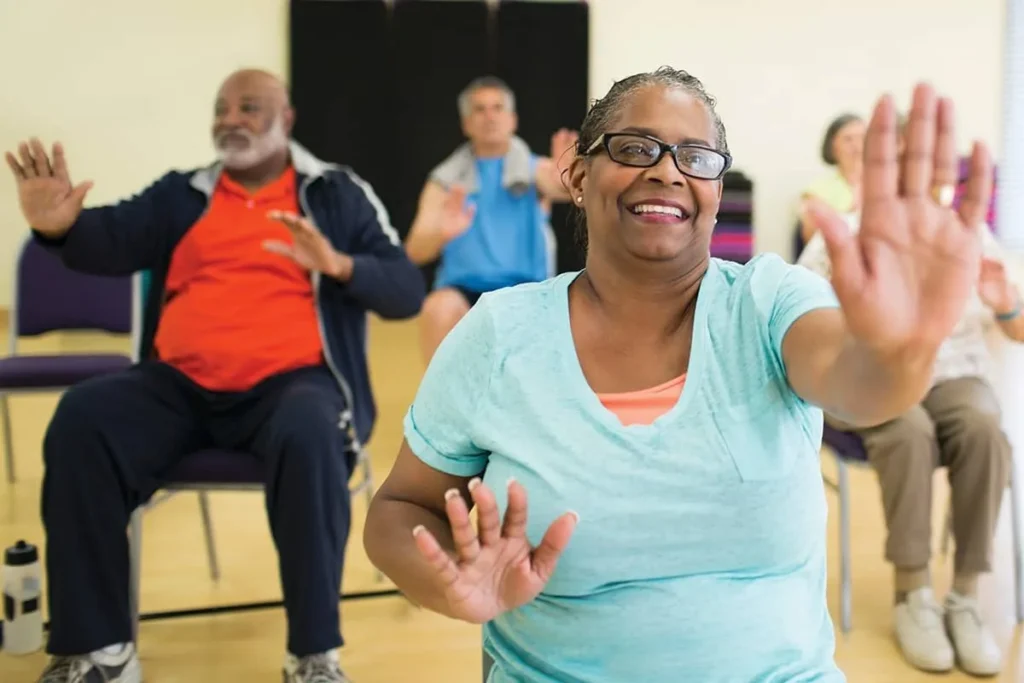
- Gentle exercise classes
- Mindfulness and relaxation sessions
- Healthy eating and cooking groups
- Peer support circles
Supporting overall health contributes significantly to quality of life and daily satisfaction.
Benefits of Day Programs for Adults in Sydney
Participating in day programs for adults in Sydney can deliver multiple benefits spanning personal, social, and practical areas of life.
Building Confidence and Self-Esteem
Regular participation in group activities encourages individuals to try new things, practise skills, and achieve shared goals. These moments of success — both big and small — build confidence and self-belief.
Participants often report feeling more capable and optimistic about tackling new challenges after engaging in day programs.
Enhanced Social Skills and Networks
Day programs provide natural opportunities for social interaction, which can be especially valuable for adults who experience barriers to connection. Through shared activities, participants practise conversation, empathy, cooperation, and teamwork.
Over time, these interactions lead to stronger social skills and meaningful friendships.
Increased Independence
Many activities within day programs are designed to promote independence. Through skill-building exercises and practical experiences, participants gain confidence in managing everyday tasks, decision-making, and self-advocacy.
Independence in these areas can transfer positively into other parts of life, such as home routines or community involvement.
Better Emotional Wellbeing
Day programs offer a space for emotional expression, support, and belonging. Being part of a group — sharing laughter, challenges, and achievements — is inherently therapeutic.
Participants often experience reductions in stress, improved mood, and greater emotional resilience through sustained engagement.
Community Participation and Inclusion
Being included and active in community life is empowering and fulfilling. Day programs for adults in Sydney help participants break down barriers to inclusion, fostering a sense of belonging and engagement.
This involvement contributes to a stronger sense of identity and purpose.

Who Benefits Most From Day Programs?
Day programs for adults in Sydney support a wide range of individuals, including:
- Those seeking social engagement and connection
- Adults with disability looking to build skills and confidence
- People transitioning from education or employment programs
- Individuals with limited opportunities for community participation
- Adults who enjoy structured, purposeful daytime activities
Each participant is supported based on personal goals, strengths, and preferences, ensuring a tailored experience rather than a one-size-fits-all model.
How SADC Disability Services Designs Day Programs
Listening to Participant Needs
SADC Disability Services believes that the best programs emerge from listening closely to participants and their families. Initial consultations help clarify goals, interests, and support preferences.
This early dialogue shapes a personalised program that feels relevant and engaging from the start.
Planning Meaningful Activities
Activities are planned with purposeful outcomes in mind. Whether it’s building job-related skills, exploring creative interests, or developing friendship networks, every session has intentional design.
This thoughtful planning ensures that individuals not only stay busy but grow and thrive.
Ongoing Review and Adjustment
Participant needs evolve over time, and day programs must evolve with them. SADC Disability Services regularly reviews activities, goals, and engagement levels.
Adjustments are made collaboratively to ensure each participant’s experience remains positive and impactful.
Skilled and Compassionate Staff
Qualified support workers are central to the success of day programs. They bring professionalism, empathy, and practical skills to every session.
More importantly, they build authentic relationships, noticing strengths and opportunities while navigating challenges with patience and respect.
Addressing Common Concerns
“What if my loved one is shy or anxious?”
Day programs are designed to welcome individuals at whatever comfort level they begin. Support workers work closely to build trust and scaffold participation. Initial sessions may focus more on familiarisation and comfort before progressing to group engagement.
Progress is always paced according to individual readiness.
“How do we know if a day program is right for me?”
Participation starts with understanding your goals, preferences, and support needs. SADC Disability Services offers personalised consultations to help determine fit. You are encouraged to observe, try small group sessions, and provide feedback. The process is supportive, and choice remains with the participant.
“Will I be understood and respected?”
Day programs at SADC Disability Services prioritise respect for identity, communication style, culture, and lived experience. Support workers are trained in inclusive practices and attentive listening. You will be supported to express preferences, set boundaries, and participate in ways that feel affirming and authentic.
Community and Family Involvement
Supporting Families and Carers
Family members and carers often play key roles in supporting participation. Day programs provide peace of mind for families, knowing their loved one is engaged in purposeful, safe, and supportive activities.
Open communication ensures families remain informed about progress, experiences, and evolving goals.
Building Wider Community Connections
Day programs extend beyond program rooms into the wider community. Participants engage with local events, venues, and inclusive activities, strengthening connections and visibility within broader society.
These experiences affirm belonging and challenge barriers to participation.
Measuring Success in Day Programs
Success in day programs is measured not just by attendance but by meaningful personal growth. Indicators of progress include:
- Increased confidence in social and community settings
- Enhanced communication and interpersonal skills
- Greater willingness to try new activities
- Evidence of skill application outside the program
- Reports of improved emotional wellbeing
Success looks different for each individual, and celebrations honour every step forward.
Long-Term Benefits of Participation
Lifelong Skills and Growth
Day programs provide experiences that contribute to lifelong growth. Skills developed through group activities, community participation, and structured learning become part of everyday life.
Participants often carry these skills into work, education, relationships, and personal pursuits.
A Strong Sense of Belonging
Being part of a regular group creates shared histories, inside jokes, rituals, and connections that enrich life. Participants become part of a community woven through shared experiences and mutual respect.
This sense of belonging supports long-term wellbeing and resilience.
The Future of Day Programs for Adults in Sydney
Innovation and Expansion
As community needs evolve, so too will day programs. Future developments include more diverse activity options, flexible scheduling, and deeper integration with local community resources.
SADC Disability Services remains committed to innovation that reflects participant voices.
Deeper Community Inclusion
The goal is not simply to create programs but to deepen inclusion across society. As participants grow in confidence and visibility, communities become more understanding, welcoming, and diverse.
Day programs are stepping stones toward a more inclusive world.
Why Choose SADC Disability Services for Day Programs
Person-Centred Approach
SADC Disability Services prioritises individual strengths and aspirations. Day programs are designed to reflect what matters most to participants. Goals, preferences, and personal stories guide planning.
This ensures meaningful and relevant experiences.
Skilled Support and Respectful Care
Support workers bring expertise, warmth, and commitment to every session. They are trained to support individuals with diverse needs and personalities. Respect, dignity, and active listening guide every interaction.
Participants feel understood and valued.
Commitment to Growth and Wellbeing
SADC Disability Services is dedicated to outcomes that matter — not just attendance. Participants are supported to grow confident, engaged, and connected. Success is personal, unique, and celebrated.
Day programs at SADC Disability Services are more than a place to be — they are places where people belong, explore, and thrive.
This detailed guide covers the full breadth and depth of day programs for adults in Sydney — from understanding core principles and activities to the ongoing support provided by SADC Disability Services — in a user-friendly, human tone designed to resonate with participants, families, and support networks.
Get in touch
91 Belmore Rd, Riverwood NSW 2210
1300 242 492
SADC disability services
FAQs by SADC disability services on Day Programs for Adults in Sydney:-
1. What are day programs for adults in Sydney?
Day programs for adults in Sydney are structured daytime activities designed to support adults with disability in social, recreational, and skill-building activities. These programs provide meaningful engagement, routine, and opportunities for personal growth. Participants attend in a supportive group environment. The focus is on wellbeing, independence, and community connection.
2. Who can join adult day programs?
Adult day programs are suitable for adults with intellectual, physical, sensory, or psychosocial disabilities. Programs support people with varying levels of independence and support needs. Participation is often aligned with NDIS funding and individual goals. Activities are adapted to suit each participant.
3. What activities are included in adult day programs?
Activities may include arts and crafts, life skills development, fitness sessions, community outings, cooking programs, and social groups. Programs are designed to balance enjoyment with learning. Activities encourage participation, confidence, and collaboration. Variety keeps participants engaged and motivated.
4. How do day programs support independence?
Day programs help participants practise everyday skills such as communication, decision-making, and time management. Support workers encourage independence while providing assistance when needed. Over time, participants gain confidence in managing tasks. These skills often transfer to daily life outside the program.
5. Are day programs funded through the NDIS?
Yes, day programs for adults in Sydney can be funded through the NDIS under Core Supports or Capacity Building. Funding depends on individual NDIS goals and plans. Activities must align with objectives such as social participation or skill development. Support coordinators can help clarify funding options.
6. How often can participants attend day programs?
Attendance frequency varies depending on individual preferences and support plans. Some participants attend once or twice a week, while others attend multiple days. Flexible scheduling allows participants to choose what suits them best. Consistent attendance supports routine and progress.
7. Are day programs suitable for people with high support needs?
Yes, day programs are designed to support individuals with high or complex needs. Trained support workers provide personalised assistance to ensure safety and inclusion. Activities are adapted to suit abilities and comfort levels. Everyone is supported to participate meaningfully.
8. How do day programs help with social skills?
Group activities encourage interaction, conversation, and teamwork. Participants practise building relationships in a supportive environment. Over time, social confidence improves through shared experiences. These skills help participants feel more connected and included.
9. What role do support workers play in day programs?
Support workers facilitate activities, provide encouragement, and ensure participant wellbeing. They assist with personal needs while promoting independence. Support workers also help manage group dynamics. Their role is to empower participants in a respectful way.
10. Can participants choose their activities?
Yes, participant choice is central to adult day programs. Individuals are encouraged to select activities based on their interests and goals. Choice increases motivation and enjoyment. Programs are designed to be flexible and person-centred.
11. How do day programs improve mental wellbeing?
Day programs provide structure, social connection, and purposeful activity. These factors contribute to reduced stress and improved mood. Being part of a supportive group helps participants feel valued. Emotional wellbeing often improves with regular participation.
12. Are community outings included in day programs?
Many day programs include community outings as part of their activities. These outings help participants practise skills in real-world settings. Community participation builds confidence and independence. It also supports social inclusion.
13. Can day programs help reduce social isolation?
Yes, day programs play an important role in reducing social isolation. Participants build friendships and engage in regular social interaction. Group settings create a sense of belonging. This positively impacts emotional and mental health.
14. Are programs tailored to individual goals?
Day programs are designed around individual goals outlined in NDIS plans. Activities are selected to support personal development and interests. Progress is reviewed regularly. This ensures participation remains meaningful and beneficial.
15. What benefits do families gain from day programs?
Families gain peace of mind knowing their loved one is engaged in a safe, supportive environment. Day programs provide structure and positive social experiences. Families often notice increased confidence and independence. This can reduce stress for carers.
16. Are day programs age-specific?
Adult day programs are specifically designed for adults, ensuring age-appropriate activities and interactions. Grouping is based on shared interests and abilities. This creates comfortable and relevant social environments. Participants feel respected and understood.
17. How do day programs support skill development?
Programs focus on building practical life and social skills through hands-on activities. Participants learn by doing in a supportive group setting. Skills such as communication, teamwork, and problem-solving are practised regularly. This supports long-term growth.
18. What if a participant feels anxious about joining?
Support workers help participants ease into programs at their own pace. Initial sessions focus on comfort and familiarity. Participation is never forced. Over time, confidence usually grows naturally.
19. Are day programs flexible to changing needs?
Yes, day programs are regularly reviewed and adjusted as needs change. Support plans evolve with participant goals and circumstances. Flexibility ensures ongoing relevance. Participants remain supported throughout their journey.
20. How do day programs encourage creativity?
Creative activities such as art, music, and storytelling are common in day programs. These activities allow self-expression and exploration. Creativity supports emotional wellbeing and confidence. Participants often discover new interests and talents.
21. Can day programs help with routine and structure?
Day programs provide predictable schedules that help establish routine. Structure can be especially beneficial for adults who thrive on consistency. Routine supports emotional stability and focus. It also improves daily functioning.
22. How is safety managed in day programs?
Safety is managed through trained staff, risk assessments, and appropriate supervision. Activities are planned to minimise risks while supporting independence. Support workers remain attentive to individual needs. Safety and dignity are always prioritised.
23. What outcomes can participants expect from day programs?
Participants may experience increased confidence, improved social skills, and greater independence. Emotional wellbeing often improves through connection and routine. Skills developed can be applied to everyday life. Outcomes vary based on individual goals.
24. Can day programs support long-term goals?
Yes, day programs are aligned with long-term personal and NDIS goals. Activities support capacity building and personal growth. Progress is monitored and celebrated. Programs contribute to sustainable, positive outcomes.
25. Why choose SADC Disability Services for adult day programs in Sydney?
SADC Disability Services delivers person-centred day programs for adults in Sydney with a strong focus on inclusion and wellbeing. Experienced support workers create welcoming and respectful environments. Programs are tailored to individual goals and strengths. Participants experience meaningful connection, growth, and community participation.
Get in touch
91 Belmore Rd, Riverwood NSW 2210
1300 242 492
SADC disability services