Table of Contents
Autism Intervention in Sydney – SADC Disability Services
Autism intervention in Sydney plays a vital role in supporting children, young people, and adults on the autism spectrum to build skills, confidence, and independence in everyday life. At SADC Disability Services, autism intervention is delivered with a strong focus on individual strengths, personal goals, and meaningful outcomes. Every person with autism is unique, and effective intervention recognises this by providing flexible, respectful, and evidence-informed support that adapts as needs change over time.
Families across Sydney often look for autism intervention services that are practical, compassionate, and aligned with NDIS goals. SADC Disability Services understands that autism affects communication, social interaction, sensory processing, behaviour, and daily functioning in different ways for each individual. That is why intervention is not about forcing change, but about empowering participants to thrive in their own way, at their own pace, within their community.
Understanding Autism and the Importance of Early and Ongoing Intervention
Autism spectrum disorder is a neurodevelopmental condition that influences how a person experiences the world, processes information, and interacts with others. Some individuals may need minimal support, while others may require ongoing assistance across many areas of life. Autism intervention in Sydney is designed to support people across the lifespan, from early childhood through to adulthood.
Early intervention is often emphasised because the developing brain is highly adaptable. When support begins early, children can develop communication skills, emotional regulation strategies, social understanding, and independence that supports long-term wellbeing. However, autism intervention remains just as valuable during adolescence and adulthood. Life transitions such as starting school, entering the workforce, or moving into independent living can present challenges that targeted intervention can help address.
At SADC Disability Services, autism intervention is viewed as a continuous journey rather than a one-time program. Support evolves as participants grow, ensuring that skills learned are relevant to current life stages and future aspirations.

Person-Centred Autism Intervention in Sydney
A key element of high-quality autism intervention in Sydney is a person-centred approach. This means the individual is at the centre of every decision, with their preferences, interests, culture, and goals guiding the support provided. SADC Disability Services prioritises listening to participants and families to understand what truly matters to them.
Some individuals may want support to improve communication and social interaction, while others may focus on daily living skills, emotional regulation, or community participation. Person-centred intervention ensures that goals are meaningful and motivating, which leads to better engagement and outcomes.
Families are treated as valued partners in the intervention process. Their insights into routines, strengths, and challenges help shape strategies that are practical and sustainable in real-life settings, not just during support sessions.
Autism Intervention Aligned with NDIS Goals
For many participants, autism intervention in Sydney is funded through the National Disability Insurance Scheme. NDIS-funded autism intervention focuses on building capacity and improving functional outcomes rather than providing clinical treatment alone. SADC Disability Services works closely with participants to ensure intervention aligns with their NDIS plan goals and funding categories.
Support may be funded under capacity building supports, core supports, or a combination of both, depending on individual needs. Intervention strategies are designed to help participants build independence, reduce reliance on supports over time, and increase participation in everyday activities.
Clear goal setting is an important part of NDIS-aligned autism intervention. Goals are broken down into achievable steps, allowing participants to experience success and build confidence as they progress.
Communication Support as Part of Autism Intervention
Communication challenges are common for many people on the autism spectrum, and autism intervention in Sydney often includes targeted communication support. This may involve developing verbal communication, alternative communication methods, or understanding non-verbal cues.
SADC Disability Services supports individuals to communicate in ways that work best for them. For some, this may involve building spoken language skills, while for others it may involve visual supports, communication devices, or structured communication systems.
Effective communication intervention also focuses on helping individuals express needs, preferences, and emotions, which can reduce frustration and support positive relationships. Communication is not just about words; it is about being understood and feeling heard in everyday life.
Social Skills Development Through Autism Intervention
Social interaction can be challenging for individuals with autism, particularly in group settings or unfamiliar environments. Autism intervention in Sydney often includes social skills development to support meaningful connections with peers, family members, and the broader community.
At SADC Disability Services, social skills intervention is practical and real-world focused. Participants are supported to understand social cues, develop conversation skills, manage friendships, and navigate social situations such as school, work, or community activities.
Rather than teaching rigid rules, intervention encourages flexibility and self-awareness, helping individuals feel more comfortable and confident in social interactions. This approach respects neurodiversity while supporting social participation in ways that feel authentic.
Emotional Regulation and Behaviour Support
Emotional regulation can be a significant challenge for people on the autism spectrum, especially when sensory overload, changes in routine, or communication difficulties are present. Autism intervention in Sydney often includes strategies to support emotional understanding and regulation.
SADC Disability Services focuses on proactive and positive behaviour support. This means understanding the underlying reasons for behaviours and addressing them through skill-building, environmental adjustments, and emotional support rather than punishment or restriction.
Participants may learn techniques to recognise emotions, manage stress, and cope with challenging situations. Families and support workers are also guided on how to respond consistently and calmly, creating a supportive environment that promotes emotional wellbeing.

Daily Living Skills and Independence
Building daily living skills is a central component of autism intervention in Sydney, particularly for adolescents and adults. These skills support independence and confidence in everyday life, including personal care, household tasks, time management, and decision-making.
SADC Disability Services provides practical support that is tailored to the individual’s abilities and goals. Skills are taught in real-life contexts, such as at home or in the community, to ensure they are meaningful and transferable.
The focus is not on achieving perfection, but on progress. Small steps toward independence are celebrated, reinforcing self-esteem and motivation.
Sensory Support and Environmental Adjustments
Sensory processing differences are common for individuals with autism and can significantly impact daily functioning. Autism intervention in Sydney often includes strategies to support sensory regulation and comfort.
SADC Disability Services recognises that sensory needs vary widely. Some individuals may be sensitive to noise, light, or touch, while others may seek sensory input. Intervention may involve identifying sensory triggers, developing coping strategies, and making environmental adjustments to reduce stress.
Supporting sensory needs can improve focus, emotional regulation, and overall wellbeing, allowing individuals to engage more fully in daily activities and social interactions.
Autism Intervention for School-Aged Children
For school-aged children, autism intervention in Sydney often focuses on supporting learning, social participation, and emotional development. SADC Disability Services works alongside families to help children build skills that support success at school and beyond.
Intervention may address classroom routines, peer relationships, communication with teachers, and managing transitions throughout the school day. Support is designed to complement educational settings rather than replace them, ensuring consistency across environments.
Helping children develop self-advocacy skills is also important, enabling them to express needs and preferences as they grow older.
Supporting Adolescents on the Autism Spectrum
Adolescence can be a challenging time for individuals with autism, as social expectations increase and identity development becomes more complex. Autism intervention in Sydney for adolescents focuses on supporting emotional wellbeing, independence, and future planning.
SADC Disability Services supports adolescents to develop life skills, manage social relationships, and prepare for adulthood. This may include support with decision-making, self-care, community participation, and understanding personal strengths.
Intervention during this stage aims to build confidence and resilience, helping young people navigate changes with greater independence and self-awareness.
Autism Intervention for Adults
Autism intervention in Sydney is not limited to children. Adults on the autism spectrum can benefit greatly from ongoing support that addresses employment, independent living, social connection, and mental wellbeing.
SADC Disability Services provides autism intervention that respects adult autonomy and life experience. Support is collaborative, focusing on personal goals such as finding meaningful work, managing daily responsibilities, or building social networks.
Adults are supported to develop strategies that enhance quality of life and support long-term independence, recognising that growth and learning continue throughout adulthood.
Family Support and Education
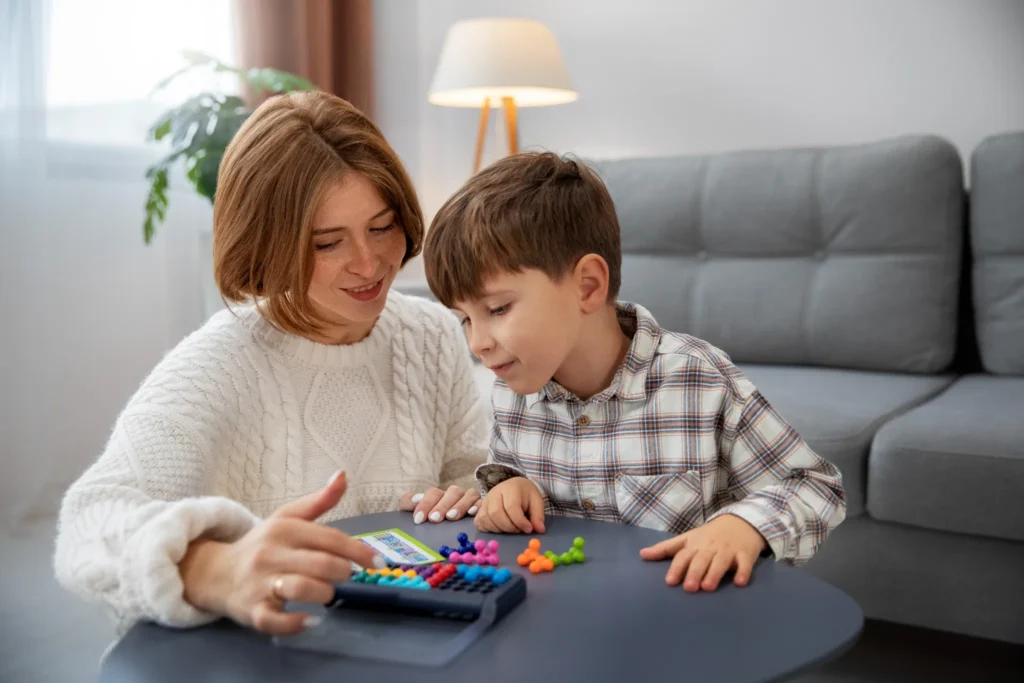
Families play a crucial role in autism intervention, and supporting them is an essential part of effective service delivery. Autism intervention in Sydney includes providing families with knowledge, strategies, and reassurance.
SADC Disability Services works closely with families to help them understand autism, navigate the NDIS, and implement consistent strategies at home. Empowering families reduces stress and creates a supportive environment where participants can thrive.
Open communication and collaboration ensure that everyone involved is working toward shared goals.
Community Participation and Inclusion
Meaningful participation in the community is a key outcome of autism intervention in Sydney. SADC Disability Services supports individuals to engage in community activities that match their interests and strengths.
This may include recreational programs, social groups, volunteering, or skill-building activities. Community participation supports social connection, confidence, and a sense of belonging, which are essential for overall wellbeing.
Intervention focuses on reducing barriers to participation and building skills that support inclusion in everyday community life.
Why Choose SADC Disability Services for Autism Intervention in Sydney
Choosing the right provider for autism intervention in Sydney is an important decision. SADC Disability Services is committed to delivering high-quality, respectful, and personalised support that prioritises the needs and goals of each individual.
The team understands the complexities of autism and the importance of flexible, evidence-informed intervention. Support is delivered with empathy, professionalism, and a genuine commitment to improving quality of life.
By focusing on strengths, promoting independence, and supporting meaningful participation, SADC Disability Services provides autism intervention that makes a real difference for individuals and families across Sydney.
Looking Ahead with Confidence and Support
Autism intervention in Sydney is about more than skill development; it is about empowering individuals to live fulfilling lives on their own terms. With the right support, people on the autism spectrum can build confidence, develop meaningful relationships, and participate fully in their communities.
SADC Disability Services remains dedicated to walking alongside participants and families at every stage of the journey. Through compassionate, person-centred autism intervention, individuals are supported not just to cope, but to thrive, now and into the future.
Get in touch
91 Belmore Rd, Riverwood NSW 2210
1300 242 492
SADC disability services
FAQs About Autism Intervention in Sydney
1. What is autism intervention?
Autism intervention refers to structured supports and strategies that help people on the autism spectrum build skills, improve daily functioning, and enhance quality of life across communication, social, emotional, and practical areas.
2. Who can access autism intervention in Sydney?
Children, adolescents, and adults diagnosed with autism spectrum disorder who are eligible for NDIS funding or other support pathways can access autism intervention in Sydney.
3. Is autism intervention only for children?
No. Autism intervention supports people across the lifespan, including adolescents and adults who may need help with independence, employment, social connection, or daily living.
4. Why is early autism intervention important?
Early intervention can support brain development, communication skills, emotional regulation, and social understanding during critical developmental stages.
5. Can autism intervention still help adults?
Yes. Adults benefit from autism intervention through support with life skills, routines, emotional wellbeing, relationships, and community participation.
6. How does NDIS fund autism intervention?
NDIS may fund autism intervention under capacity building supports, core supports, or early childhood supports, depending on age and goals.
7. What goals can autism intervention support?
Goals may include communication improvement, emotional regulation, daily living skills, social participation, independence, and confidence-building.
8. Is autism intervention personalised?
Yes. Effective autism intervention is always person-centred and tailored to individual strengths, needs, interests, and goals.
9. How does SADC Disability Services approach autism intervention?
SADC Disability Services uses a flexible, respectful, and strengths-based approach focused on meaningful outcomes and participant choice.
10. Does autism intervention involve families?
Yes. Families are actively involved and supported with strategies, education, and collaboration to ensure consistent support.
11. What skills are developed through autism intervention?
Skills may include communication, emotional regulation, self-care, social interaction, problem-solving, and independence.
12. Is autism intervention evidence-based?
Yes. Quality autism intervention uses evidence-informed strategies adapted to individual needs and real-life situations.
13. Can autism intervention help with behaviour challenges?
Yes. It focuses on understanding underlying needs and teaching positive coping and regulation strategies.
14. Does autism intervention try to change personality?
No. It respects neurodiversity and focuses on empowering individuals, not changing who they are.
15. How long does autism intervention last?
There is no fixed timeline. Duration depends on individual goals, progress, and life stages.
16. Is autism intervention delivered at home?
It can be delivered at home, in the community, or in other everyday environments where skills are needed.
17. Can autism intervention help with school challenges?
Yes. It supports routines, communication, peer interaction, and emotional regulation related to school life.
18. Does autism intervention support transitions?
Yes. It helps with transitions such as starting school, changing environments, or moving into adulthood.
19. Can autism intervention improve independence?
Yes. Building independence is a key outcome, particularly in daily living and decision-making.
20. Is sensory support part of autism intervention?
Yes. Sensory regulation strategies are often included to reduce stress and improve participation.
21. What role does communication play in autism intervention?
Communication is central and may include verbal, non-verbal, visual, or alternative communication methods.
22. Can autism intervention help with social anxiety?
Yes. It can support confidence, emotional regulation, and social understanding.
23. Does autism intervention support employment goals?
For adults, yes. It can support work readiness, routines, communication, and workplace skills.
24. Is autism intervention culturally sensitive?
Quality services respect cultural values, family dynamics, and individual identity.
25. Can autism intervention reduce stress for families?
Yes. By providing guidance, consistency, and understanding, it can significantly reduce family stress.
26. How are goals set in autism intervention?
Goals are set collaboratively with the participant and family based on what matters most to them.
27. Is progress measured in autism intervention?
Yes. Progress is monitored through observation, feedback, and goal reviews.
28. Can autism intervention help with friendships?
Yes. It supports social skills, communication, and understanding relationships.
29. Does autism intervention involve routine-building?
Yes. Structured routines can help with predictability and emotional regulation.
30. Is autism intervention flexible over time?
Absolutely. Support adapts as needs, goals, and life circumstances change.
31. Can autism intervention help with emotional regulation?
Yes. Participants learn to recognise emotions and develop coping strategies.
32. Is autism intervention suitable for high-support needs?
Yes. It can be tailored for individuals with varying levels of support needs.
33. Does autism intervention encourage self-advocacy?
Yes. Participants are supported to express needs, preferences, and boundaries.
34. Can autism intervention help with daily routines?
Yes. It supports planning, organisation, and task completion.
35. Is autism intervention goal-oriented?
Yes. Clear goals help guide meaningful progress.
36. Can autism intervention be part-time or ongoing?
Yes. Frequency and duration depend on individual needs and funding.
37. Does autism intervention support community participation?
Yes. Inclusion and engagement in community life are key outcomes.
38. Is autism intervention suitable for non-verbal individuals?
Yes. Alternative communication strategies are used to support expression.
39. Can autism intervention help with confidence?
Yes. Skill-building and positive experiences naturally build confidence.
40. Is autism intervention collaborative?
Yes. It involves participants, families, and support teams working together.
41. Can autism intervention support mental wellbeing?
Yes. Emotional understanding and coping strategies support mental health.
42. Does autism intervention focus on strengths?
Yes. Strengths-based support is central to effective intervention.
43. Is autism intervention respectful of individual pace?
Yes. Progress is made at a pace comfortable for the individual.
44. Can autism intervention reduce reliance on supports?
Yes. Building skills increases independence over time.
45. Is autism intervention suitable for NDIS participants?
Yes. It aligns with NDIS capacity-building goals.
46. Does autism intervention help with life transitions?
Yes. It supports preparation for changes in life stages.
47. Can autism intervention support emotional resilience?
Yes. Learning coping strategies strengthens resilience.
48. Is autism intervention adaptable to different environments?
Yes. Strategies are applied across home, school, work, and community.
49. Does autism intervention support long-term outcomes?
Yes. It focuses on sustainable skills and wellbeing.
50. Can autism intervention help with independence at home?
Yes. Daily living and self-care skills are commonly addressed.
51. Is autism intervention a one-size-fits-all approach?
No. Every intervention plan is tailored to the individual.
52. Can autism intervention support communication with family?
Yes. Improved communication strengthens family relationships.
53. Does autism intervention involve goal reviews?
Yes. Goals are reviewed and updated regularly.
54. Can autism intervention support emotional expression?
Yes. It helps individuals understand and express feelings.
55. Is autism intervention focused on quality of life?
Yes. Improving quality of life is the ultimate aim.
56. Can autism intervention help with problem-solving?
Yes. Cognitive and practical problem-solving skills are supported.
57. Does autism intervention respect individuality?
Absolutely. Individual identity and preferences are always respected.
58. Can autism intervention help with self-esteem?
Yes. Skill development and positive reinforcement support self-esteem.
59. Is autism intervention future-focused?
Yes. It prepares individuals for future independence and participation.
60. Does autism intervention encourage choice and control?
Yes. Participant choice is central to all supports.
61. Can autism intervention support goal achievement?
Yes. Goals guide structured and meaningful progress.
62. Is autism intervention suitable for different support levels?
Yes. It adapts to low, medium, and high support needs.
63. Can autism intervention help with emotional understanding?
Yes. Emotional awareness is often a key focus.
64. Does autism intervention support social confidence?
Yes. Confidence grows through skill-building and practice.
65. Can autism intervention support daily structure?
Yes. Structure supports emotional regulation and independence.
66. Is autism intervention respectful and ethical?
Yes. Ethical, person-centred practice is essential.
67. Can autism intervention help with coping skills?
Yes. Coping strategies are a core component.
68. Does autism intervention involve collaboration with families?
Yes. Family involvement is encouraged and supported.
69. Can autism intervention support meaningful participation?
Yes. Participation in daily life is a primary goal.
70. Why choose SADC Disability Services for autism intervention in Sydney?
Because SADC Disability Services provides compassionate, personalised, and goal-focused autism intervention that respects individuality and supports long-term wellbeing.
Get in touch
91 Belmore Rd, Riverwood NSW 2210
1300 242 492
SADC disability services