
Table of Contents
Social activities for NDIS in Sydney – SADC Disability Services
Social connection is a vital part of a fulfilling life. For people living with disability, meaningful social activities support confidence, independence, emotional wellbeing, and a strong sense of belonging. Across Sydney, NDIS-funded social activities play an essential role in helping participants build friendships, develop life skills, and actively participate in their communities. SADC Disability Services provides inclusive, person-centred social activities for NDIS participants in Sydney, designed to support individual goals, interests, and abilities in a safe and encouraging environment.
Social activities for NDIS in Sydney are not just about filling time. They are about creating real opportunities for connection, growth, and joy. With the right support, participants can explore new interests, strengthen communication skills, and feel more confident engaging with the world around them. At SADC Disability Services, social participation is approached with care, respect, and a deep understanding of each person’s unique journey.
Understanding social activities for NDIS in Sydney
Social activities for NDIS in Sydney refer to structured and informal programs that help participants engage with others, build relationships, and take part in community life. These activities are often funded under NDIS Core Supports or Capacity Building supports, depending on individual plans and goals. They are designed to reduce social isolation, improve wellbeing, and support participants to live more connected and meaningful lives.
Social participation looks different for everyone. For some people, it may involve group outings or recreational programs. For others, it may be one-on-one support to attend community events or develop social confidence. SADC Disability Services recognises that there is no one-size-fits-all approach. Social activities are tailored to meet individual needs, preferences, and comfort levels.
Why social activities matter for NDIS participants
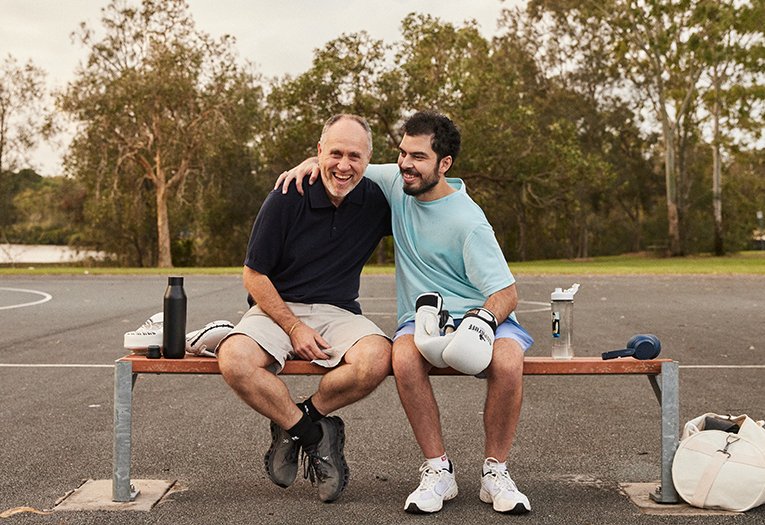
Social connection is a fundamental human need. For NDIS participants, opportunities for social engagement can sometimes be limited by physical barriers, communication challenges, anxiety, or lack of access to inclusive programs. Well-designed social activities help break down these barriers and create pathways to inclusion.
Social activities for NDIS in Sydney support emotional wellbeing by reducing feelings of loneliness and isolation. They help participants develop a sense of belonging and purpose. Engaging with others in positive environments can boost self-esteem, improve mood, and encourage personal growth.
Social participation also supports practical skill development. Through regular interaction, participants can improve communication, problem-solving, decision-making, and emotional regulation. These skills are valuable not only in social settings but also in daily life, employment, and independent living.
The role of NDIS in supporting social activities
The NDIS recognises the importance of social participation as part of a participant’s overall wellbeing. Many NDIS plans include funding that can be used for social activities, group programs, and community participation. This funding helps participants access the support they need to engage with others safely and confidently.
Social activities for NDIS in Sydney may be funded under assistance with social and community participation. This can include support workers, group programs, transport, and skill-building activities. SADC Disability Services works closely with participants and families to ensure social activities align with NDIS goals and funding categories.
Person-centred approach to social activities at SADC Disability Services
At SADC Disability Services, social activities are always person-centred. This means the participant’s voice, choices, and goals are at the heart of every program. Before any activity begins, time is taken to understand what the participant enjoys, what they want to achieve, and what support they need to feel comfortable.
Some participants may be eager to join group activities and meet new people. Others may prefer smaller groups or one-on-one support at first. SADC Disability Services respects these preferences and adapts support accordingly. Social confidence is built gradually, at a pace that feels right for each individual.
Inclusive group social activities in Sydney
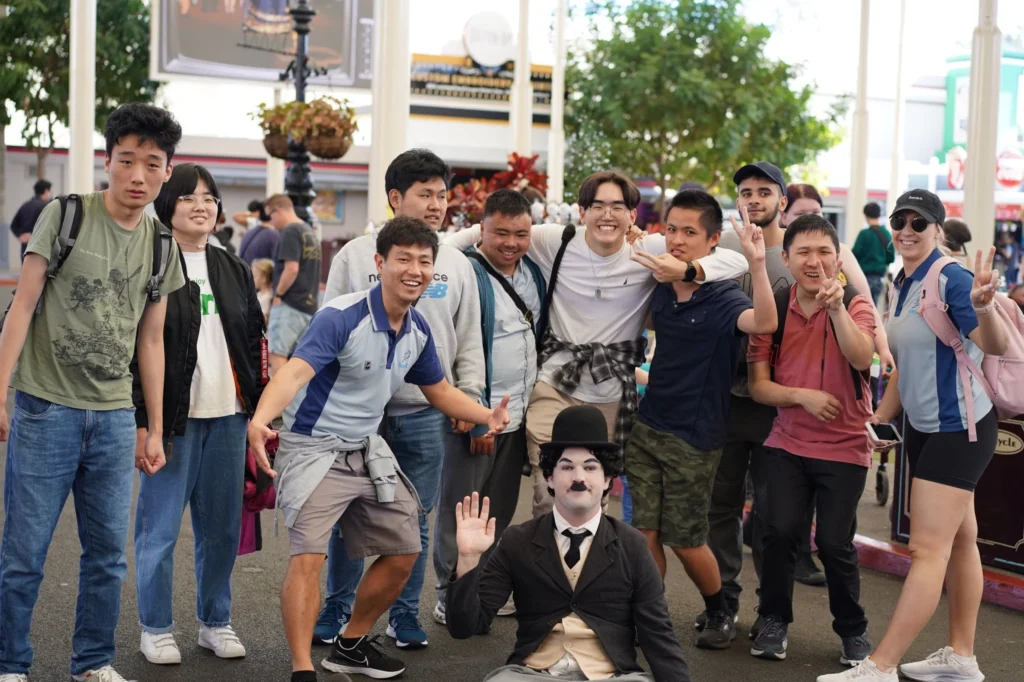
Group-based social activities are a popular and effective way to build friendships and social skills. SADC Disability Services offers a range of inclusive group activities for NDIS participants across Sydney. These activities are designed to be welcoming, supportive, and engaging for people with diverse abilities.
Group social activities may include community outings, creative workshops, recreational programs, and shared interest groups. Participants are encouraged to interact, communicate, and support one another in a positive environment. Group settings help participants practice social skills such as taking turns, listening, expressing opinions, and resolving small challenges.
The sense of belonging that comes from being part of a group can be powerful. Many participants develop lasting friendships through regular group activities, which can significantly improve their quality of life.
One-on-one social support for NDIS participants
Not all participants feel comfortable in group settings straight away. For some, one-on-one social support is a better starting point. SADC Disability Services provides individualised support to help participants build confidence and social skills at their own pace.
One-on-one social activities for NDIS in Sydney may involve attending local events, visiting community spaces, or practising social interactions in real-life situations. Support workers provide encouragement, guidance, and reassurance while respecting the participant’s independence.
This personalised approach allows participants to gradually expand their comfort zones. Over time, many people feel more confident transitioning into group activities or broader community participation.
Building communication skills through social activities
Communication is a key focus of social activities for NDIS in Sydney. Social interactions provide natural opportunities to practice verbal and non-verbal communication skills. Participants can learn how to start conversations, express needs, understand social cues, and respond appropriately in different situations.
SADC Disability Services supports participants with varying communication needs. Activities are adapted to suit individuals who use alternative communication methods or who need additional time and support. The goal is always to empower participants to express themselves and feel heard.
Improved communication skills can have a positive impact across all areas of life, including relationships, education, and employment.
Developing independence through social participation
Social activities play an important role in building independence. By participating in community-based programs, NDIS participants learn how to navigate public spaces, manage routines, and make choices. These experiences help build confidence and self-reliance.
SADC Disability Services encourages participants to take an active role in planning and participating in social activities. This may include choosing activities, organising schedules, or making small decisions during outings. Support workers provide assistance when needed but always aim to promote independence.
Over time, participants often gain the skills and confidence to engage in social activities with less support, supporting long-term independence and empowerment.
Supporting emotional wellbeing through social connection
Emotional wellbeing is closely linked to social connection. Positive social experiences can help reduce anxiety, stress, and low mood. Feeling accepted and valued within a group can significantly improve self-esteem and emotional resilience.
Social activities for NDIS in Sydney are designed to be enjoyable and supportive. SADC Disability Services creates environments where participants feel safe to be themselves, make mistakes, and grow. Support workers are trained to recognise emotional needs and provide reassurance and encouragement.
For participants who experience social anxiety or emotional challenges, gentle and consistent social engagement can lead to meaningful improvements in wellbeing over time.
Community access and inclusion in Sydney
Sydney offers a wide range of community spaces, events, and activities. Social activities for NDIS participants focus on helping individuals access and enjoy these opportunities. Community access may include visiting parks, libraries, cafes, cultural events, or recreational facilities.
SADC Disability Services supports participants to feel confident and comfortable in community settings. This includes assistance with transport, planning, and navigating unfamiliar environments. Community inclusion helps participants feel connected to the broader society and reinforces the idea that they belong.
Inclusive community participation also helps raise awareness and understanding of disability, contributing to a more accepting and supportive society.

Social activities for different age groups
Social needs and interests change across the lifespan. SADC Disability Services offers social activities for NDIS participants of different ages, ensuring programs are age-appropriate and meaningful.
For young adults, social activities may focus on building independence, friendships, and life skills. For older adults, activities may emphasise connection, routine, and enjoyment. Regardless of age, the focus remains on dignity, choice, and quality of life.
Supporting diverse interests and hobbies
Everyone has unique interests and passions. Social activities for NDIS in Sydney should reflect this diversity. SADC Disability Services works with participants to identify hobbies and interests that bring joy and motivation.
Activities may include arts and crafts, music, sports, cooking, or creative projects. Shared interests provide a natural foundation for social connection and conversation. When participants engage in activities they enjoy, social interaction feels more natural and rewarding.
Flexible and responsive social programs
Life is dynamic, and support needs can change over time. SADC Disability Services offers flexible social activities that can adapt to changing goals, preferences, and circumstances. Programs are regularly reviewed to ensure they remain relevant and effective.
Flexibility allows participants to try new activities, adjust support levels, or change routines as needed. This responsiveness is essential for maintaining engagement and long-term positive outcomes.
The importance of skilled support workers
Support workers play a crucial role in delivering high-quality social activities for NDIS in Sydney. At SADC Disability Services, support workers are chosen for their professionalism, empathy, and commitment to participant wellbeing.
Support workers facilitate social interactions, provide encouragement, and help participants navigate challenges. They are trained to promote independence while ensuring safety and comfort. Strong relationships between participants and support workers contribute to positive and meaningful social experiences.
Family and carer involvement
Families and carers often play an important role in supporting social participation. SADC Disability Services values collaboration with families and carers to ensure social activities align with the participant’s broader support network.
Open communication helps build trust and ensures consistency across different areas of life. Families are kept informed and involved as appropriate, while always respecting the participant’s independence and choices.
Long-term benefits of social activities for NDIS participants
The benefits of social activities extend far beyond individual events or programs. Over time, regular social participation can lead to stronger relationships, improved confidence, better mental health, and greater independence.
Participants who engage in meaningful social activities often experience a higher quality of life. They feel more connected, capable, and empowered. Social skills developed through these activities support success in other areas, such as employment, education, and independent living.
Why choose SADC Disability Services for social activities for NDIS in Sydney
SADC Disability Services is committed to providing high-quality, person-centred social activities for NDIS participants in Sydney. The focus is on respect, inclusion, and individual choice. Every participant is supported as a whole person, with their unique strengths and goals recognised.
Social activities are designed to be enjoyable, meaningful, and aligned with NDIS goals. With a strong emphasis on safety, dignity, and empowerment, SADC Disability Services creates opportunities for genuine connection and growth.
Creating a more connected future
Social activities for NDIS in Sydney are about more than participation. They are about building a future where people with disability feel valued, included, and empowered to live fulfilling lives. Through thoughtful, person-centred support, social participation becomes a pathway to confidence, independence, and belonging.
SADC Disability Services continues to support NDIS participants across Sydney to engage socially, build meaningful relationships, and enjoy life as active members of their communities. Through inclusive and supportive social activities, participants are encouraged to grow, connect, and thrive.
Get in touch
91 Belmore Rd, Riverwood NSW 2210
1300 242 492
SADC disability services
Faqs on Social activities for NDIS in Sydney – SADC Disability Services:-
1. What are social activities for NDIS participants in Sydney?
Social activities for NDIS participants in Sydney are structured or informal programs that help people with disability connect with others and participate in community life. These activities may include group outings, recreational programs, skill-building sessions, or one-on-one community support. They are designed to improve confidence, wellbeing, and social inclusion. Funding is usually provided through NDIS core or capacity building supports.
2. Who can access social activities through the NDIS?
Any NDIS participant whose plan includes funding for social or community participation may be able to access social activities. Eligibility depends on individual goals, support needs, and funding categories within the NDIS plan. Participants of all ages and disability types can benefit from social activities. Support is always tailored to individual preferences and abilities.
3. How do social activities support emotional wellbeing?
Social activities help reduce loneliness and isolation by encouraging regular interaction with others. Positive social experiences can improve self-esteem, confidence, and overall emotional health. Being part of a supportive group helps participants feel valued and understood. Over time, social connection can contribute to better mental wellbeing and life satisfaction.
4. What types of social activities are available for NDIS participants?
Social activities can include group programs, community outings, recreational activities, creative workshops, and shared interest groups. Some participants may prefer one-on-one support to attend events or practice social skills. Activities are designed to match individual interests and comfort levels. Flexibility ensures each participant feels supported and engaged.
5. Are social activities suitable for participants with social anxiety?
Yes, social activities can be adapted to support participants who experience social anxiety. Programs may begin with one-on-one support or small groups to build confidence gradually. Support workers provide reassurance and guidance in a safe environment. Participants can progress at their own pace without pressure.
6. Can social activities help improve communication skills?
Social activities provide natural opportunities to practice communication in real-life situations. Participants can learn how to start conversations, express needs, and understand social cues. Support workers assist with communication strategies suited to each individual. Over time, these skills become stronger and more confident.
7. Are group social activities mandatory?
No, group social activities are never mandatory. Participants can choose whether they prefer group settings or one-on-one support. The NDIS is based on choice and control, allowing individuals to decide what works best for them. Programs can be adjusted as preferences change.
8. How do social activities promote independence?
By participating in community activities, individuals learn practical life and social skills. This includes navigating public spaces, making decisions, and managing routines. Support workers encourage participants to take an active role in activities. These experiences build confidence and independence over time.
9. Can social activities be funded through my NDIS plan?
Yes, social activities are commonly funded through NDIS assistance with social and community participation. Funding may cover support workers, group programs, and related support needs. The specific funding depends on your NDIS plan goals. Providers help ensure activities align with approved supports.
10. Are social activities available for different age groups?
Social activities are available for children, young adults, adults, and older participants. Programs are designed to be age-appropriate and meaningful. Activities reflect the interests and life stages of participants. This ensures relevance and engagement for everyone involved.
11. How are activities tailored to individual interests?
Participants are encouraged to share their interests, hobbies, and personal goals. Activities are then planned to reflect what they enjoy and want to explore. This approach increases motivation and enjoyment. Personalised activities also support long-term engagement.
12. What role do support workers play in social activities?
Support workers facilitate activities, encourage interaction, and ensure participants feel safe and comfortable. They provide guidance while promoting independence and choice. Support workers also help manage challenges and build confidence. Strong relationships contribute to positive experiences.
13. Can social activities help build friendships?
Yes, social activities provide opportunities to meet others with shared interests. Regular interaction helps build trust, connection, and friendships. Many participants develop long-lasting relationships through group programs. Social bonds enhance wellbeing and community belonging.
14. Are social activities inclusive for people with complex needs?
Social activities can be adapted to support participants with complex or high support needs. Activities are designed to be accessible and inclusive. Additional support and modifications ensure everyone can participate safely. Inclusion and dignity are always prioritised.
15. Do social activities include community outings?
Yes, community outings are a common part of social participation programs. Outings may include visiting parks, cafes, libraries, or local events. These experiences help participants engage with their local community. Community access supports confidence and social inclusion.
16. Can families and carers be involved?
Families and carers can be involved where appropriate and with participant consent. Collaboration ensures consistency and support across different environments. Families may assist with planning or provide feedback. The participant’s independence and choices are always respected.
17. How often can participants attend social activities?
The frequency of social activities depends on individual goals and NDIS funding. Some participants attend weekly programs, while others prefer occasional activities. Support plans are flexible and personalised. Adjustments can be made as needs change.
18. Are social activities goal-focused under the NDIS?
Yes, social activities are aligned with NDIS goals such as increased independence, confidence, and community participation. Activities support both short-term and long-term objectives. Progress is reviewed regularly to ensure goals are being met. This ensures meaningful outcomes.
19. Can social activities help with life skills development?
Social activities often include opportunities to build life skills such as teamwork, decision-making, and emotional regulation. These skills are practiced naturally through interaction. Support workers guide participants in applying skills in real situations. Life skills gained support daily living and independence.
20. Are social activities flexible if needs change?
Yes, social programs are designed to be flexible and responsive. Activities can be adjusted as interests, abilities, or circumstances change. This ensures continued engagement and relevance. Flexibility is a key part of person-centred support.
21. Do social activities support mental health?
Social participation can have a positive impact on mental health by reducing isolation and increasing connection. Supportive environments encourage emotional expression and resilience. Regular social engagement helps build coping strategies. Many participants experience improved mood and confidence.
22. What if a participant prefers one-on-one activities?
One-on-one social support is available for participants who prefer individual engagement. This allows for personalised pacing and focus. Participants may later choose to join group activities if comfortable. Both options are equally valued and supported.
23. Are activities culturally inclusive?
Social activities are designed to respect cultural backgrounds, values, and preferences. Participants are supported to engage in ways that align with their identity. Cultural sensitivity is an important part of inclusive support. Everyone is treated with respect and understanding.
24. How do social activities support long-term outcomes?
Regular social participation helps build skills, confidence, and independence over time. These outcomes support success in other areas such as employment and daily living. Long-term engagement promotes stability and wellbeing. Social connection contributes to a fulfilling life.
25. Why are social activities important for NDIS participants in Sydney?
Social activities help participants feel connected, valued, and included in their communities. They support emotional wellbeing, independence, and personal growth. In a diverse city like Sydney, social inclusion opens doors to opportunity. Social activities are a key part of living a meaningful and empowered life.
Get in touch
91 Belmore Rd, Riverwood NSW 2210
1300 242 492
SADC disability services