Autism Support for Children in Sydney: SADC Disability Services
Autism support for children in Sydney plays a vital role in helping young individuals on the autism spectrum develop skills, confidence, and independence in a supportive and understanding environment. Every child with autism is unique, with their own strengths, challenges, interests, and ways of interacting with the world. At SADC Disability Services, autism support for children in Sydney is designed to recognise this individuality and provide personalised, compassionate, and structured support that helps children thrive at home, at school, and within the community. Families across Sydney rely on professional autism support services to ensure their children receive the right guidance at the right time, laying a strong foundation for lifelong wellbeing and participation.
Understanding Autism in Children
Autism spectrum disorder affects how children communicate, interact socially, process sensory information, and manage emotions. Some children may experience challenges with verbal communication, while others may have difficulty understanding social cues, routines, or changes in their environment. Autism support for children in Sydney focuses on understanding these differences and responding in ways that build confidence rather than pressure. Early understanding of autism allows families and support providers to focus on strengths while addressing challenges through positive, evidence-based approaches that respect the child’s dignity and individuality.
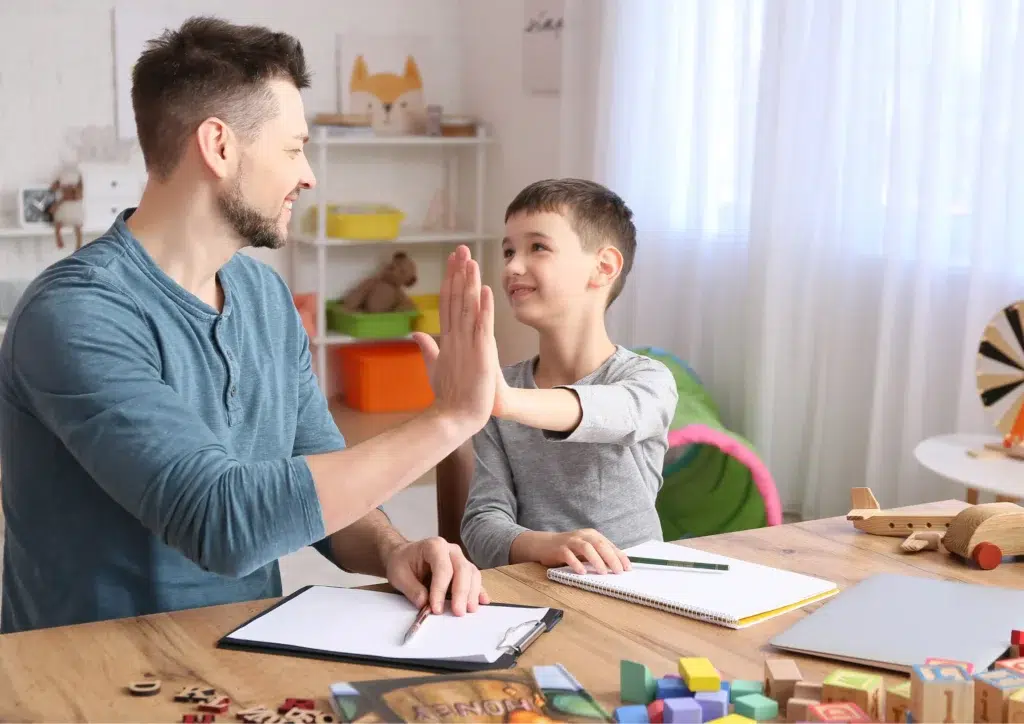
The Importance of Early Autism Support
Early autism support for children in Sydney can make a meaningful difference in a child’s development. When support is introduced early, children have more opportunities to build communication skills, social understanding, emotional regulation, and daily living abilities. Early intervention does not aim to change who a child is, but rather to support them in navigating the world in ways that feel safe and empowering. Families often notice improvements in engagement, reduced frustration, and stronger connections when early autism support is in place.
Person-Centred Autism Support for Children
Autism support for children in Sydney is most effective when it is person-centred. This means placing the child at the centre of all decisions and tailoring supports to their individual needs, interests, and goals. At SADC Disability Services, autism support for children is developed through careful assessment, collaboration with families, and ongoing review. Person-centred support recognises that children learn and grow at different paces, and that flexibility is essential to meeting their changing needs over time.
Family-Centred Approach to Autism Support
Families play a central role in autism support for children in Sydney. Parents and caregivers know their children best and provide valuable insights into their routines, preferences, and challenges. A family-centred approach ensures that autism support aligns with family values and daily life. This approach empowers families with strategies, knowledge, and confidence to support their child consistently across different environments, including home, school, and community settings.
Autism Support in Everyday Environments
Autism support for children in Sydney is not limited to therapy rooms or structured sessions. Children benefit most when support is integrated into everyday environments where they live, learn, and play. Providing autism support at home allows strategies to be embedded into daily routines such as meals, bedtime, and playtime. Community-based support helps children practise skills in real-life settings, building confidence and independence while participating in activities alongside their peers.

Communication Support for Children with Autism
Communication challenges are common among children on the autism spectrum, and autism support for children in Sydney often places a strong emphasis on building communication skills. This may include supporting verbal communication, alternative communication methods, or social communication skills. The goal is to help children express their needs, preferences, and emotions in ways that reduce frustration and promote positive interactions. Improved communication can significantly enhance a child’s ability to engage with family members, educators, and peers.
Supporting Social Skills Development
Social interaction can be challenging for children with autism, particularly in group settings such as school or community activities. Autism support for children in Sydney includes strategies to help children understand social cues, take turns, share interests, and build relationships. Social skills development is approached gradually, respecting each child’s comfort level and readiness. Through positive experiences and consistent support, children can develop meaningful connections and a sense of belonging.
Emotional Regulation and Behaviour Support
Many children with autism experience challenges with emotional regulation, which may result in distress, anxiety, or behaviours of concern. Autism support for children in Sydney focuses on understanding the underlying causes of these behaviours rather than simply responding to them. Emotional regulation support helps children recognise their feelings, develop coping strategies, and feel safe during moments of overwhelm. When children feel understood and supported, they are better able to manage emotions and engage positively with their environment.
Positive Behaviour Support for Children
Positive behaviour support is a key component of autism support for children in Sydney. This approach focuses on teaching alternative skills, adjusting environments, and reinforcing positive behaviours rather than using punishment. Behaviour is viewed as communication, and support strategies aim to address unmet needs. Positive behaviour support promotes dignity, respect, and long-term positive outcomes for children and their families.

Sensory Support for Children with Autism
Sensory sensitivities are common in children with autism and can impact their comfort and participation in daily activities. Autism support for children in Sydney includes identifying sensory preferences and challenges, such as sensitivity to noise, light, textures, or movement. Sensory support strategies may involve modifying environments, introducing calming activities, or providing sensory tools. Supporting sensory needs helps children feel more regulated, focused, and comfortable in their surroundings.
Supporting Children at School
School environments can present both opportunities and challenges for children with autism. Autism support for children in Sydney often includes assistance with school routines, transitions, and social interactions. Support may focus on building independence, following instructions, and coping with sensory demands in the classroom. Collaboration between families, support providers, and educators ensures that children receive consistent support that aligns with their learning goals and wellbeing.
Building Independence in Daily Living Skills
Autism support for children in Sydney also focuses on developing daily living skills that promote independence. These skills may include personal care, organisation, following routines, and completing age-appropriate tasks. Building independence is approached gradually, celebrating small achievements and encouraging confidence. Supporting daily living skills helps children develop a sense of capability and prepares them for future stages of life.
Play-Based Autism Support
Play is a natural and powerful way for children to learn and grow. Autism support for children in Sydney often incorporates play-based approaches that align with a child’s interests and strengths. Through play, children can develop communication, social interaction, problem-solving, and emotional skills in a relaxed and enjoyable environment. Play-based support respects the child’s individuality while promoting meaningful engagement and learning.
Supporting Transitions and Change
Children with autism may find transitions and changes challenging, whether it involves moving between activities, starting school, or adjusting to new routines. Autism support for children in Sydney includes strategies to help children prepare for and manage change. Visual supports, predictable routines, and gradual transitions can reduce anxiety and build confidence. Supporting transitions helps children feel secure and capable when facing new experiences.
Culturally Inclusive Autism Support
Sydney is a diverse city, and autism support for children in Sydney must be culturally inclusive and respectful. Cultural values, languages, and family traditions influence how autism is understood and supported. At SADC Disability Services, autism support for children is delivered with cultural sensitivity, ensuring families feel respected and understood. Inclusive support builds trust and strengthens relationships between families and service providers.
NDIS and Autism Support for Children
Many families access autism support for children in Sydney through the National Disability Insurance Scheme. NDIS funding allows families to access tailored supports that align with their child’s goals and needs. Autism support may be funded under capacity building, core supports, or other relevant categories depending on the child’s plan. Understanding and navigating NDIS supports can feel complex, but having the right service provider helps families make the most of available funding.
Collaborative Support Planning
Effective autism support for children in Sydney relies on collaboration. Support planning involves families, children where appropriate, and professionals working together to identify goals and strategies. Plans are regularly reviewed to ensure they remain relevant as the child grows and develops. Collaborative planning ensures that support is flexible, responsive, and aligned with the child’s evolving needs.
Building Confidence and Self-Esteem
Children with autism benefit greatly from support that builds confidence and self-esteem. Autism support for children in Sydney focuses on recognising strengths, celebrating achievements, and encouraging self-expression. When children feel valued and capable, they are more likely to engage positively with others and explore new opportunities. Confidence-building support lays the groundwork for lifelong resilience and wellbeing.
Supporting Peer Relationships
Developing peer relationships can be challenging for children with autism, but with the right support, meaningful friendships are possible. Autism support for children in Sydney includes guidance on social interaction, shared activities, and understanding social boundaries. Positive peer experiences help children feel included and valued, contributing to emotional wellbeing and social development.
Flexible and Responsive Support
Children’s needs change over time, and autism support for children in Sydney must be flexible and responsive. What works at one stage of development may need adjustment as the child grows. Ongoing monitoring and communication ensure that support remains effective and relevant. Flexibility allows support providers to respond to new challenges, goals, and opportunities as they arise.
Supporting the Whole Child
Autism support for children in Sydney takes a holistic approach, considering all aspects of a child’s life. This includes emotional wellbeing, physical comfort, social connections, learning, and family relationships. Supporting the whole child means recognising how different areas of development are interconnected and addressing them together rather than in isolation.
Long-Term Benefits of Autism Support
The benefits of autism support for children in Sydney extend far beyond childhood. Early and consistent support helps children develop skills that support independence, self-advocacy, and participation throughout life. Families often report improved relationships, reduced stress, and greater confidence in supporting their child’s needs. Long-term outcomes are strongest when support is respectful, person-centred, and collaborative.
Why Families Choose SADC Disability Services
Families seeking autism support for children in Sydney choose SADC Disability Services for its commitment to quality, compassion, and individualised care. Support is delivered by experienced professionals who understand the unique needs of children on the autism spectrum. The focus is always on empowering children and families through respectful, evidence-based, and flexible support that promotes meaningful outcomes.
Creating Inclusive Communities for Children with Autism
Autism support for children in Sydney contributes to building more inclusive communities. When children receive the support they need to participate in community activities, schools, and social settings, awareness and acceptance grow. Inclusive communities benefit everyone by valuing diversity and creating environments where all children can belong and succeed.
A Supportive Path Forward
Autism support for children in Sydney is about creating a supportive path forward that honours each child’s individuality and potential. With the right support, children with autism can build skills, confidence, and connections that enrich their lives and the lives of those around them. SADC Disability Services remains committed to walking alongside families on this journey, providing autism support for children in Sydney that is caring, professional, and focused on long-term wellbeing and inclusion.
Get in touch
291 Belmore Rd, Riverwood NSW 2210
1300 242 492
SADC disability services
Faqs on Autism support for children in Sydney with SADC Disability Services:-
1. What is autism support for children?
Autism support for children involves personalised assistance that helps children on the autism spectrum develop communication, social, emotional, and daily living skills. Support is designed around each child’s unique strengths and challenges. The aim is to help children feel confident, understood, and supported in everyday life.
2. Who can access autism support for children in Sydney?
Children diagnosed with autism or showing developmental differences can access autism support for children in Sydney. Many families use NDIS funding, while others may access private or community-based support. Eligibility depends on individual needs and circumstances.
3. How does autism support help children develop communication skills?
Autism support focuses on improving how children express their needs, emotions, and ideas. This may include verbal communication, alternative communication methods, or social interaction skills. Better communication often reduces frustration and builds stronger relationships with family and peers.
4. Why is early autism support important for children?
Early autism support helps children build foundational skills during critical developmental stages. It can support emotional regulation, learning readiness, and social engagement. Early support often leads to better long-term outcomes for children and families.
5. What types of autism support are available for children in Sydney?
Autism support for children in Sydney can include behavioural support, social skills development, emotional regulation strategies, and daily living assistance. Support may be delivered at home, in the community, or in structured programs. Services are tailored to each child’s goals and needs.
6. How is autism support personalised for each child?
Personalised autism support begins with understanding the child’s strengths, interests, and challenges. Goals are set collaboratively with families and adjusted over time. This ensures the support remains relevant and effective as the child grows.
7. Can autism support help children with emotional regulation?
Yes, autism support helps children understand and manage their emotions more effectively. Children learn coping strategies that reduce anxiety, meltdowns, and distress. Emotional regulation support creates a sense of safety and stability for the child.
8. How does autism support assist children in social settings?
Autism support helps children learn social skills such as turn-taking, understanding social cues, and building friendships. Support is introduced gradually to suit the child’s comfort level. This helps children feel more confident in group and peer interactions.
9. What role do families play in autism support?
Families are central to autism support for children. Parents and caregivers provide insight into routines, preferences, and challenges. Working closely with families ensures consistent support across home, school, and community environments.
10. Can autism support be provided at home?
Yes, autism support for children in Sydney can be provided in the home environment. Home-based support allows strategies to be integrated into daily routines. This helps children practise skills in a familiar and comfortable setting.
11. How does autism support help with school participation?
Autism support helps children manage school routines, transitions, and classroom expectations. It can improve focus, communication with teachers, and peer interactions. Support aims to build confidence and independence in the school environment.
12. What is positive behaviour support for children with autism?
Positive behaviour support focuses on understanding why behaviours occur and teaching alternative skills. It avoids punishment and instead promotes respectful, proactive strategies. This approach supports long-term emotional and behavioural development.
13. How does autism support address sensory sensitivities?
Autism support identifies sensory triggers such as noise, light, or textures. Strategies are used to reduce discomfort and promote regulation. Supporting sensory needs helps children feel calmer and more engaged.
14. Can autism support help children build independence?
Yes, autism support helps children develop daily living skills such as self-care, organisation, and following routines. Skills are taught gradually and reinforced positively. Building independence increases confidence and self-esteem.
15. How does autism support promote confidence in children?
Support focuses on strengths, achievements, and positive reinforcement. Children are encouraged to try new things in a safe and supportive way. Confidence grows as children experience success and understanding.
16. Is autism support suitable for children of all ages?
Autism support for children in Sydney is suitable for a wide range of ages. Support strategies are adjusted to match developmental stages and individual needs. Services evolve as children grow and their goals change.
17. How does autism support help with transitions and change?
Autism support uses predictable routines, visual tools, and preparation strategies. These approaches reduce anxiety during transitions. Children feel more secure when changes are introduced gradually and clearly.
18. Can autism support help children participate in community activities?
Yes, autism support encourages children to engage in community activities at their own pace. Support workers help children practise social and life skills in real-world settings. This builds confidence and community inclusion.
19. How is progress monitored in autism support programs?
Progress is monitored through regular reviews and communication with families. Goals are updated as children develop new skills. This ensures support remains effective and meaningful.
20. What is NDIS-funded autism support for children?
NDIS-funded autism support allows families to access tailored services aligned with their child’s goals. Funding may cover core supports or capacity-building supports. The focus is on long-term development and independence.
21. How does autism support reduce stress for families?
Autism support provides families with guidance, structure, and professional assistance. Parents gain practical strategies and reassurance. This often leads to reduced stress and improved family wellbeing.
22. What makes quality autism support for children?
Quality autism support is person-centred, respectful, and evidence-based. It focuses on the child’s wellbeing rather than changing who they are. Strong communication with families is essential.
23. How does autism support encourage inclusion?
Autism support helps children participate alongside peers in everyday activities. It promotes understanding, acceptance, and confidence. Inclusion benefits both the child and the wider community.
24. Can autism support help children build friendships?
Yes, autism support helps children understand social interactions and shared activities. Support is tailored to each child’s comfort level. Over time, children can develop meaningful peer relationships.
25. Why choose SADC Disability Services for autism support for children in Sydney?
SADC Disability Services offers compassionate, individualised autism support for children in Sydney. Services are flexible, family-centred, and focused on long-term outcomes. The goal is to empower children and families through respectful and professional support.
Get in touch
291 Belmore Rd, Riverwood NSW 2210
1300 242 492
SADC disability services