
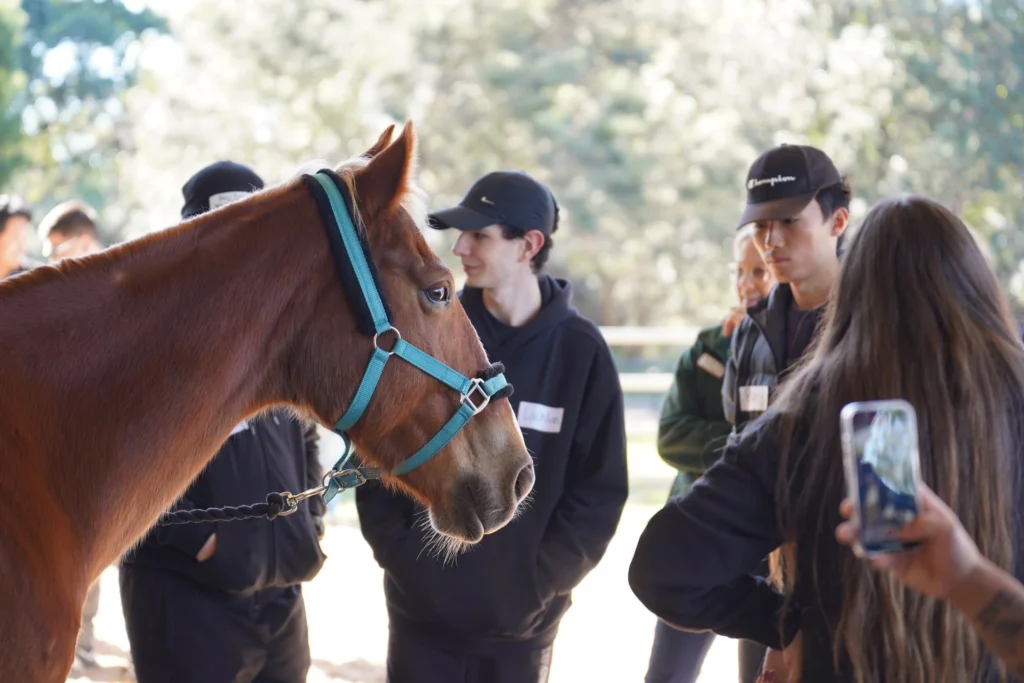
Table of Contents
Disability Group Activities in NSW – SADC Disability Services
Disability Group Activities in NSW: Disability group activities in NSW provide essential opportunities for people with disability to engage socially, develop skills, form meaningful connections, and participate actively in their communities. These activities are far more than structured pastimes; they are pathways to personal growth, empowerment, friendship, and wellbeing. At SADC Disability Services, we understand that every individual’s journey is unique, and our approach to disability group activities in NSW is built on compassion, inclusivity, and a commitment to enhancing quality of life for every participant.
In this comprehensive guide, we explore the importance of disability group activities in NSW, the broad range of opportunities available, the benefits they provide, and how SADC Disability Services delivers high-quality, inclusive group experiences. Whether you’re a participant, family member, carer, or support worker, this detailed content will help you understand how group activities create positive, lasting impacts across social, emotional, and practical dimensions of life.
Understanding Disability Group Activities in NSW
What Are Disability Group Activities?
Disability group activities in NSW are structured, supportive experiences designed for people with disability to come together in groups for social interaction, skill-building, recreation, and community participation. These activities range from arts and crafts, sports and recreation, music and drama, to community outings, educational workshops, and capacity-building sessions. The unifying thread across all activities is purposeful inclusion and respect for the individual needs and preferences of participants.
Group activities are often facilitated by trained support workers who ensure safety, engagement, and meaningful participation. The goal is not simply to occupy time but to create environments where individuals can connect, learn, contribute, and build confidence.
The Role of Group Activities in Daily Life
Group activities play a significant role in enhancing daily life for people with disability. They offer structure and routine, which many individuals find reassuring and empowering. Activities also break down barriers to participation, providing opportunities to engage in shared experiences that affirm identity, build competence, and strengthen social bonds.
In NSW, disability group activities often form a core part of both NDIS plans and community-based inclusive programs. These experiences help individuals broaden their horizons, challenge their assumptions about what’s possible, and grow as valued members of society.
Core Principles of Effective Disability Group Activities
Inclusion and Accessibility
At the heart of disability group activities in NSW is inclusion. True inclusion means more than physical access; it means recognising and valuing diverse abilities, communication styles, cultural backgrounds, and personal preferences. Activities are designed to be accessible for participants with varying levels of support needs, ensuring that everyone can engage meaningfully.
SADC Disability Services prioritises accessible venues, adaptable formats, and person-centred support to ensure participation does not feel exclusionary or overwhelming. This commitment to inclusion strengthens community connections and promotes belonging.
Person-Centred Design
Every participant is unique, and group activities must reflect this diversity. Person-centred design involves listening to individuals about what they enjoy, what challenges they face, and what they hope to achieve. Instead of assuming what participants should do, inclusive group activities in NSW start with participants’ voices.
At SADC Disability Services, group activities are co-designed with participants when possible, ensuring that goals are relevant and experiences are meaningful. Activities evolve based on feedback, interests, and individual growth.
Safety and Support
Safety is foundational in disability group activities in NSW. This includes physical safety, emotional wellbeing, and psychological comfort. Structured supports, trained staff, ratio considerations, and clear risk management practices all contribute to secure environments where participation feels comfortable and stimulating.
Support workers are trained to anticipate needs, respond to challenges, and create environments where risk is managed without stifling opportunity.
Types of Disability Group Activities in NSW
Disability group activities in NSW encompass a broad and diverse range of experiences. Each type of activity offers unique benefits and caters to different interests and goals.
Arts and Creative Expression
Arts-based activities provide rich opportunities for self-expression, imagination, and creative collaboration. Workshops might include painting, pottery, music, drama, dance, or writing. Creative activities encourage participants to share stories, explore emotions, and express themselves in ways that are personally meaningful.
Group arts activities are not about perfection or output quality; they are about participation, joy, and connection. In group settings, art becomes a shared language that nurtures confidence and self-esteem.
Sports, Fitness, and Recreation
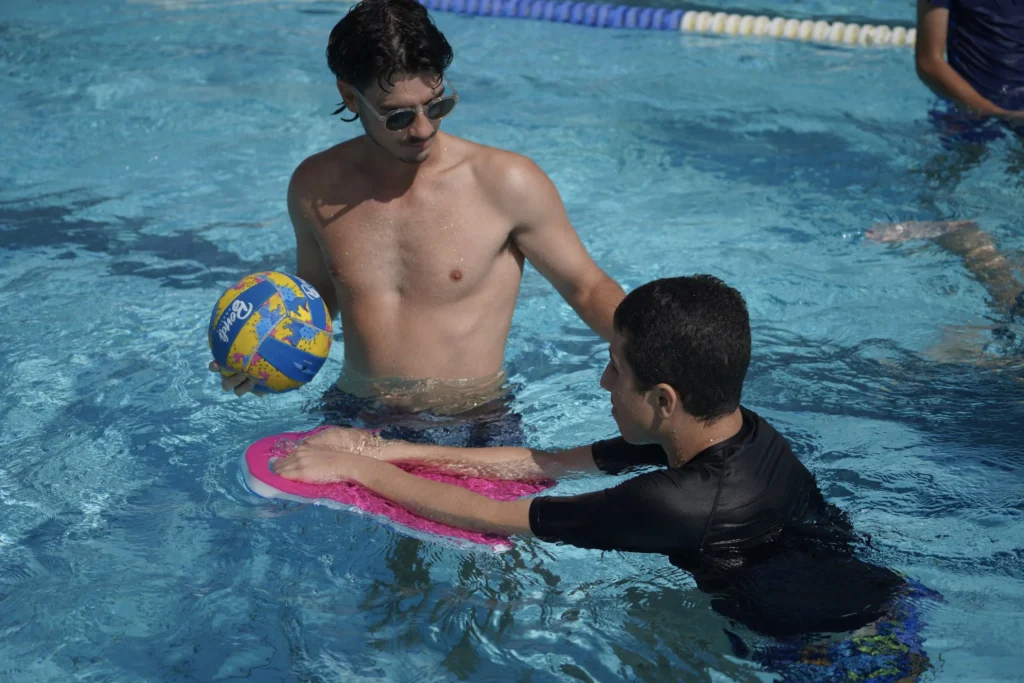
Group physical activities support health, movement, coordination, and fun. Disability group activities in NSW range from adapted sports sessions like wheelchair basketball or boccia to walking groups, dance classes, or swimming sessions. Exercise in a group setting often feels more motivating and enjoyable than solitary workouts.
Physical recreation also promotes general wellbeing, stress relief, and a sense of accomplishment.
Social and Community Outings
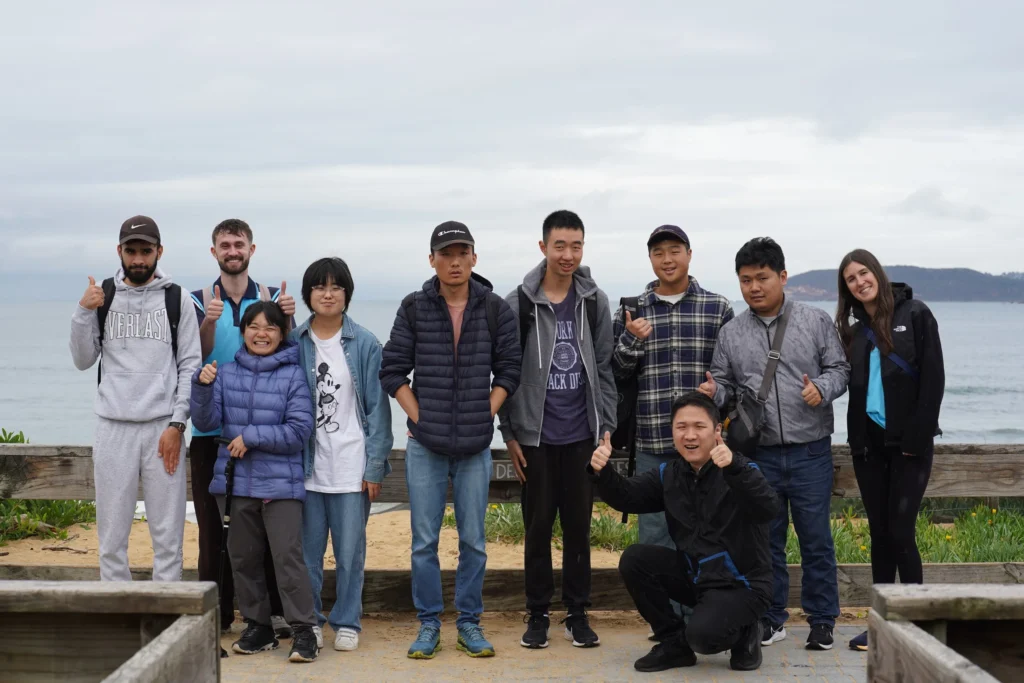
Community outings are a powerful form of group activity that encourages participation beyond familiar settings. These experiences may include trips to parks, markets, shows, cultural events, museums, or local cafes. Outings support real-world navigation, social interaction, and confidence in public spaces.
Group outings also cultivate shared memories and strengthen friendships within the group.
Educational and Capacity-Building Workshops
Learning doesn’t stop after school, and disability group activities in NSW often include educational workshops. These might focus on computer skills, money management, cooking, self-advocacy, communication strategies, health and wellbeing, or other practical life skills.
Workshops create supportive learning environments where participants can build confidence, enhance independence, and connect learning with real-world tasks.
Performing Arts and Music
Music and performance-based activities bring energy, creativity, and joy to group settings. Inclusive choirs, drama workshops, or band sessions allow participants to explore rhythm, voice, movement, and storytelling. These activities offer both emotional expression and social connection.
Performing together fosters collaboration, mutual respect, and a shared sense of achievement.
Benefits of Disability Group Activities in NSW
Enhanced Social Connections and Belonging
One of the most profound benefits of disability group activities in NSW is the opportunity to form friendships and social connections. Participating regularly in group settings allows individuals to meet peers, share experiences, and develop meaningful relationships. This sense of belonging enriches daily life and combats isolation.
For many participants, group activities become a space where they feel understood, accepted, and valued.
Improved Communication Skills
Group interactions naturally encourage conversational skills, active listening, turn-taking, and expressive confidence. Over time, participants build both verbal and non-verbal communication abilities. These improvements benefit not just group participation but everyday interactions at home, school, work, and in the community.
Group facilitators often model inclusive communication practices that respect diverse styles and preferences.
Increased Confidence and Self-Esteem
Participation in group activities allows individuals to try new things, take on roles, and celebrate accomplishments. Each success — whether big or small — reinforces self-esteem and belief in personal capability. Confidence built in group contexts often transfers to other life areas.
People feel proud of their contributions and abilities, which supports positive self-image.
Development of Practical Life Skills
Many group activities integrate practical skills within engaging contexts. For example, a cooking workshop may teach food preparation, budgeting, and teamwork. A community outing may build travel skills, safety awareness, and decision-making.
Through structured yet enjoyable activities, participants practise real-life capabilities in supportive environments.
Enhanced Wellbeing and Emotional Health
Group activities that include physical exercise, creative expression, or social connection contribute to emotional regulation and general wellbeing. Being part of a supportive community reduces stress, promotes positivity, and fosters resilience.
Participants often express feelings of joy, relaxation, and motivation through regular group engagement.
How Disability Group Activities Support NDIS Goals
Aligning Activities With Individual Plans
Many individuals engage in disability group activities in NSW through funding allocated in their NDIS plans. When activities are aligned with personal development goals — such as social participation, skill-building, or community engagement — they contribute directly to achieving these outcomes.
SADC Disability Services works with participants and families to align group activities with NDIS goals, ensuring each experience has purpose beyond enjoyment.
Evidence of Progress
Participation and progress in group activities can be documented and reflected in NDIS plan reviews. Progress may include improved social confidence, better communication, increased independence, or enhanced wellbeing.
This evidence supports continuity in funding and future planning.
Flexibility Within Supports
Disability group activities in NSW funded by the NDIS are adaptable to participants’ changing needs, interests, and abilities. Flexibility ensures ongoing relevance and meaning.
SADC Disability Services collaborates with participants to adjust involvement as goals evolve.
Making Group Activities Inclusive and Accessible
Identifying and Reducing Barriers
Inclusion starts with identifying and reducing barriers to participation. These barriers may be physical, communicational, sensory, or social. For group activities to truly be inclusive, environments need to be welcoming, accessible, and adaptable.
SADC Disability Services assesses each setting to ensure that supports, aids, and modifications are available where needed.
Sensory-Aware Practices
Many individuals with disability experience sensory sensitivities. Noise levels, lighting, crowded spaces, or sudden changes can be challenging. Inclusive group activities in NSW incorporate sensory-aware practices such as quiet zones, predictable schedules, and prepared staff.
These considerations help participants feel safe and comfortable.
Encouraging Choice and Autonomy
True inclusion means allowing individuals to choose how they participate. Some may want to lead activities, while others may prefer to observe or participate quietly. Choice and autonomy are respected so that participation feels empowering rather than compulsory.
This supports dignity, self-expression, and positive engagement.
The Role of Support Workers in Group Activities
Trained and Compassionate Facilitation
Support workers are central to the success of disability group activities in NSW. They are trained not only in safety and practical skills but also in inclusive communication, behaviour support, and trauma-informed practice. They create supportive spaces, facilitate activities, and encourage participation at each person’s comfort level.
Compassionate facilitation builds trust and enhances engagement.
Building Relationships and Trust
Support workers often build strong, respectful relationships with participants. Trust encourages individuals to take positive risks, try new activities, and explore their potential. These relationships are meaningful in themselves and can have long-term impacts on wellbeing.
Group activities become more than events; they become shared journeys.
Supporting Emotional and Behavioural Needs
Support workers are equipped to recognise and respond to emotional needs, communication differences, and behavioural expressions. They help regulate group dynamics in ways that feel respectful and stabilising. Their presence supports inclusion without intrusion.
This level of care creates environments where participants can thrive.
Incorporating Family and Community
Family Involvement and Support
Family members and carers play integral roles in supporting participation. Inclusive group activities in NSW benefit when families contribute insights into strengths, preferences, and individual needs. SADC Disability Services encourages family involvement while maintaining participant autonomy.
This collaborative approach enhances program relevance.
Community Collaboration
Strong group activities often involve local community partners such as recreation centres, cultural organisations, libraries, and schools. Collaboration expands opportunities, diversifies experiences, and strengthens inclusion within broader society.
Community involvement enhances visibility, understanding, and acceptance.
Examples of Disability Group Activities in NSW
Creative Workshops
Creative workshops might include painting, music making, drama, dance, or crafts. These activities create opportunities for individual expression and group collaboration. They stimulate imagination and celebrate diverse talents.
Participants often surprise themselves and others with what they can create.
Sports and Movement Programs
Group sports and physical activities support fitness, coordination, teamwork, and fun. Activities are adapted to suit varying physical abilities. These programs also build confidence and reduce barriers to participation in active lifestyles.
Movement becomes a shared joy and achievement.
Social Skill Groups
Social skill groups focus on communication, perspective-taking, self-advocacy, and relationship building. These groups provide safe contexts for practising interactions and building confidence. Regular participation contributes to social readiness for other contexts.
Skill acquisition becomes meaningful and measurable.
Community Participation Outings
Outings to local spaces expand practical life skills such as wayfinding, public transport use, navigating social norms, and managing transitions. Participants practice life skills in real environments with support. Outings enhance independence and community confidence.
Community becomes familiar rather than foreign.
Measuring Outcomes and Celebrating Success
Observing Growth Over Time
Success in disability group activities in NSW is measured not just by attendance, but by personal growth. Improvements in confidence, skills, social engagement, independence, or emotional regulation demonstrate meaningful progress. These outcomes enrich lives long after activities conclude.
Reflecting on Achievements
Participants and families are encouraged to reflect on growth, celebrate milestones, and acknowledge effort. Recognising progress reinforces self-worth and motivates ongoing engagement. Sometimes the smallest wins are the most impactful.
Overcoming Challenges in Group Participation
Addressing Anxiety and Hesitation
Some individuals may feel nervous or reluctant to join group activities. Support workers ease transitions with reassurance, familiarisation, and gradual involvement. Over time, comfort grows with repeated, positive experiences.
Supporting Diverse Needs
Participants bring diverse needs, abilities, and communication styles. Inclusive group activities in NSW require adaptive strategies. Patience, creativity, and responsiveness make inclusion possible.
The Future of Disability Group Activities in NSW
Expanding Opportunities
The future of disability group activities in NSW lies in expanding accessible opportunities that reflect diverse interests. Creative partnerships, technology integration, and community collaborations will further enrich offerings.
Strengthening Inclusion
As inclusive practice deepens across sectors, group activities will continue to shape inclusive cultures. Individuals with disability will be seen not as participants of separate programs, but as valued contributors to community life.
Why Choose SADC Disability Services for Disability Group Activities in NSW
Commitment to Individual Growth
SADC Disability Services is dedicated to supporting meaningful, person-centred experiences. Disability group activities in NSW delivered by SADC Disability Services prioritise individual growth, connection, and choice. Each program reflects thoughtful planning, inclusive practice, and respect for individual journeys.
Compassionate and Skilled Support
With trained, empathetic support workers, activities are safe, engaging, and purposeful. Support is flexible, responsive, and aligned with each participant’s goals. Families and participants alike feel supported and understood.
Inclusive and Empowering Experiences
SADC Disability Services creates group activities that celebrate differences, support strengths, and welcome diversity. Participants leave programs feeling valued, connected, and enriched. Inclusion becomes a lived experience — not just a concept.
Final Reflections on Disability Group Activities in NSW
Disability group activities in NSW are transformative experiences that extend far beyond structured sessions. They are lived moments of connection, skill development, joy, and belonging. Through intentional design, respectful inclusion, and compassionate support, each activity contributes to participants’ lives in meaningful ways.
At SADC Disability Services, we believe in possibilities, strengths, and futures that reflect individual journeys. Disability group activities in NSW are a testament to what can be achieved when people are supported, heard, and valued. The result is stronger individuals, stronger communities, and a more inclusive society where everyone has the opportunity to participate and thrive.
Get in touch
91 Belmore Rd, Riverwood NSW 2210
1300 242 492
SADC disability services
FAQs on Disability group activities in NSW – SADC Disability Services:-
1. What are disability group activities in NSW?
Disability group activities in NSW are structured programs that bring people with disability together to participate in social, recreational, educational, and skill-building experiences. These activities are designed to support inclusion, confidence, and community participation. They provide safe environments where individuals can connect with peers and explore their interests. Group activities also help reduce social isolation and promote wellbeing.
2. Who can participate in disability group activities?
Disability group activities are suitable for children, young people, and adults with varying support needs. Participants may have physical, intellectual, sensory, or psychosocial disabilities. Activities are tailored to individual abilities and goals to ensure meaningful participation. Eligibility often aligns with NDIS funding or individual support arrangements.
3. What types of group activities are available in NSW?
Group activities may include arts and crafts, sports, fitness programs, music, drama, community outings, cooking classes, and life skills workshops. Programs are designed to match participant interests and abilities. Many activities focus on social interaction and capacity building. Variety ensures participants remain engaged and motivated.
4. How do group activities support social skills development?
Group settings encourage communication, turn-taking, teamwork, and relationship-building. Participants practise interacting with peers in supportive environments. Over time, confidence improves as individuals feel more comfortable expressing themselves. These skills often transfer to everyday life situations.
5. Are disability group activities funded under the NDIS?
Yes, disability group activities in NSW can be funded through the NDIS under Core Supports or Capacity Building categories. Funding depends on individual goals outlined in the participant’s NDIS plan. Activities must align with goals such as community participation or skill development. Support providers assist participants in choosing suitable programs.
6. How do group activities improve confidence and self-esteem?
Participating in group activities allows individuals to try new experiences and achieve personal goals. Positive feedback and shared success help build self-belief. Being part of a group fosters a sense of belonging and acceptance. Confidence gained through activities often extends into other areas of life.
7. Are group activities suitable for people with high support needs?
Yes, group activities can be adapted to support individuals with high or complex support needs. Trained support workers provide tailored assistance to ensure safety and inclusion. Activities are modified to suit individual abilities and comfort levels. This ensures everyone can participate meaningfully.
8. How are activities made inclusive and accessible?
Activities are designed with accessibility in mind, including physical access, communication supports, and flexible participation options. Support workers use inclusive practices that respect individual needs and preferences. Sensory considerations are also addressed where required. Inclusion is central to every activity.
9. What role do support workers play in group activities?
Support workers facilitate activities, ensure safety, and encourage positive participation. They provide emotional and practical support while promoting independence. Support workers also help manage group dynamics and individual needs. Their role is to empower participants while respecting autonomy.
10. Can group activities help reduce social isolation?
Yes, group activities play a significant role in reducing social isolation. They create regular opportunities for social interaction and friendship-building. Participants develop connections with peers who share similar experiences. This sense of belonging improves emotional wellbeing.
11. Are group activities structured or flexible?
Group activities typically follow a structured plan while allowing flexibility to suit participant needs. Structure provides predictability and comfort, while flexibility allows adaptation. Participants are encouraged to engage at their own pace. This balance supports positive engagement.
12. How do group activities support independence?
Many activities focus on building practical life skills such as communication, decision-making, and problem-solving. Participants practise skills in real-life group settings. Support is gradually adjusted to encourage independence. Over time, confidence in everyday tasks increases.
13. What benefits do families gain from group activities?
Families benefit from knowing their loved ones are engaged, supported, and socially connected. Group activities offer respite while promoting personal growth for participants. Families often notice improvements in confidence and communication. This positively impacts family relationships and daily routines.
14. Are community outings part of group activities?
Yes, community outings are a key component of many disability group activities in NSW. These outings help participants practise social and life skills in real environments. Activities may include visiting parks, cafes, or local events. Community participation builds confidence and independence.
15. How do group activities support emotional wellbeing?
Group activities promote emotional expression, stress relief, and positive mood. Social connection and shared experiences help participants feel valued and supported. Activities such as art, music, and movement enhance emotional regulation. Emotional wellbeing improves with regular participation.
16. Can participants choose which activities they join?
Yes, participant choice is strongly encouraged in disability group activities. Individuals can select activities based on their interests and goals. Respecting choice promotes motivation and engagement. Empowerment through choice is a key principle of person-centred support.
17. How are risks managed during group activities?
Risk management includes safety planning, trained staff, and appropriate supervision ratios. Activities are assessed to minimise hazards while allowing positive risk-taking. Support workers remain attentive to participant needs. Safety is maintained without limiting meaningful participation.
18. Are group activities suitable for people new to social settings?
Yes, group activities are ideal for individuals who are new to social environments. Support workers help ease transitions and build comfort gradually. Activities are welcoming and non-judgmental. Over time, participants often become more confident and engaged.
19. How do group activities align with personal goals?
Activities are chosen to support individual NDIS goals such as social participation, skill development, or independence. Progress is observed and reflected over time. Meaningful alignment ensures activities contribute to long-term outcomes. This makes participation purposeful and rewarding.
20. Can group activities help with communication challenges?
Yes, group settings naturally encourage communication through interaction and shared tasks. Support workers use inclusive communication strategies tailored to individual needs. Participants practise expressing themselves in safe environments. Communication skills often improve with regular engagement.
21. How often do group activities take place?
The frequency of group activities varies depending on individual preferences and program availability. Some activities occur weekly, while others may run daily or during holidays. Consistent participation supports routine and progress. Flexible scheduling accommodates different needs.
22. What skills can participants learn in group activities?
Participants can develop social, communication, practical life, and emotional regulation skills. Activities often integrate teamwork, problem-solving, and decision-making. Learning occurs naturally through shared experiences. Skills gained are transferable to everyday life.
23. Are disability group activities age-specific?
Group activities may be age-specific or mixed-age, depending on the program. Age-appropriate activities ensure relevance and comfort for participants. Grouping is designed to support positive interaction. This approach promotes meaningful engagement.
24. How do group activities support long-term wellbeing?
Regular participation builds confidence, resilience, and social connection over time. Group activities encourage healthy routines and active lifestyles. Long-term engagement supports emotional and mental wellbeing. Participants often experience improved quality of life.
25. Why choose SADC Disability Services for group activities in NSW?
SADC Disability Services delivers inclusive, person-centred disability group activities in NSW. Programs are led by trained, compassionate support workers who prioritise safety and empowerment. Activities are designed to support individual goals and strengths. Participants experience meaningful connection, growth, and community inclusion.
Get in touch
91 Belmore Rd, Riverwood NSW 2210
1300 242 492
SADC disability services