
Table of Contents
Short Term Accommodation in Sydney – SADC Disability Services
Short Term Accommodation in Sydney: Short term accommodation in Sydney plays an essential role in supporting people with disability to live balanced, empowered, and fulfilling lives. Often referred to as STA, this form of support provides temporary accommodation combined with personal care, daily living assistance, and community participation. At SADC Disability Services, short term accommodation is designed to offer more than just a place to stay—it provides safety, comfort, meaningful experiences, and genuine respite for participants and their families.
Short term accommodation in Sydney is especially valuable for NDIS participants who need a break from their usual environment, want to build independence, or require temporary support during transitions or unexpected situations. Delivered in a warm, respectful, and person-centred way, STA helps participants recharge, develop skills, and enjoy new experiences while maintaining continuity of care.
Understanding Short Term Accommodation in Sydney
Short term accommodation in Sydney refers to time-limited stays away from a participant’s usual home, typically ranging from a few days to a few weeks. These stays are supported by trained staff who assist with personal care, meals, daily routines, and community access. The aim is to provide a safe and supportive environment that promotes wellbeing and independence.
Unlike permanent housing, short term accommodation is flexible and responsive. It can be planned in advance or arranged in response to changing needs. This adaptability makes STA an important support for people with disability across different life stages and circumstances.
The Purpose of Short Term Accommodation
The purpose of short term accommodation in Sydney is multifaceted. For participants, it offers a change of environment, opportunities for skill development, and access to social and recreational activities. For families and carers, it provides essential respite, allowing them time to rest, manage other responsibilities, or simply recharge.
STA also supports participants during times of transition, such as moving between living arrangements, recovering from illness, or waiting for long-term supports to be finalised. In all cases, the focus remains on dignity, choice, and individual goals.
Short Term Accommodation and the NDIS
Under the NDIS, short term accommodation is funded to support participants who need temporary care and support away from home. This funding recognises that regular carers also need breaks and that participants benefit from varied experiences and environments.
Short term accommodation in Sydney funded through the NDIS typically includes the cost of accommodation, personal care, meals, and activities. When delivered effectively, STA aligns closely with NDIS goals of independence, social participation, and improved quality of life.
A Person-Centred Approach to Short Term Accommodation
High-quality short term accommodation in Sydney is built on a person-centred approach. This means every stay is planned around the individual’s preferences, routines, cultural background, and support needs. Participants are encouraged to make choices about how they spend their time, what activities they enjoy, and how support is delivered.
Person-centred STA ensures participants feel comfortable and respected. Rather than feeling like a guest in an unfamiliar setting, individuals are supported to feel at home, safe, and valued throughout their stay.
Comfortable and Accessible Accommodation Environments
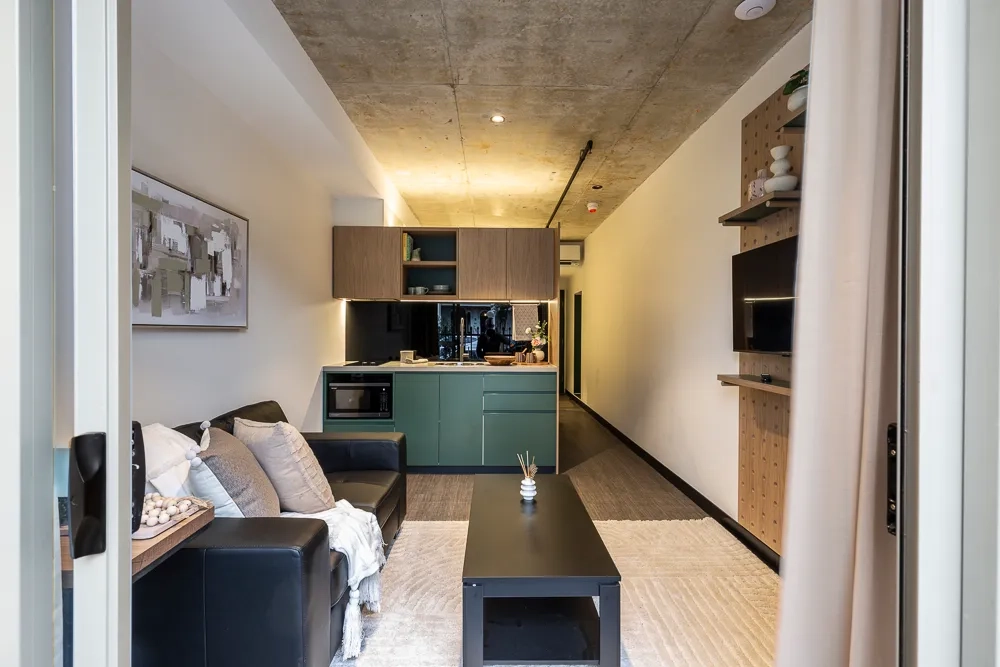
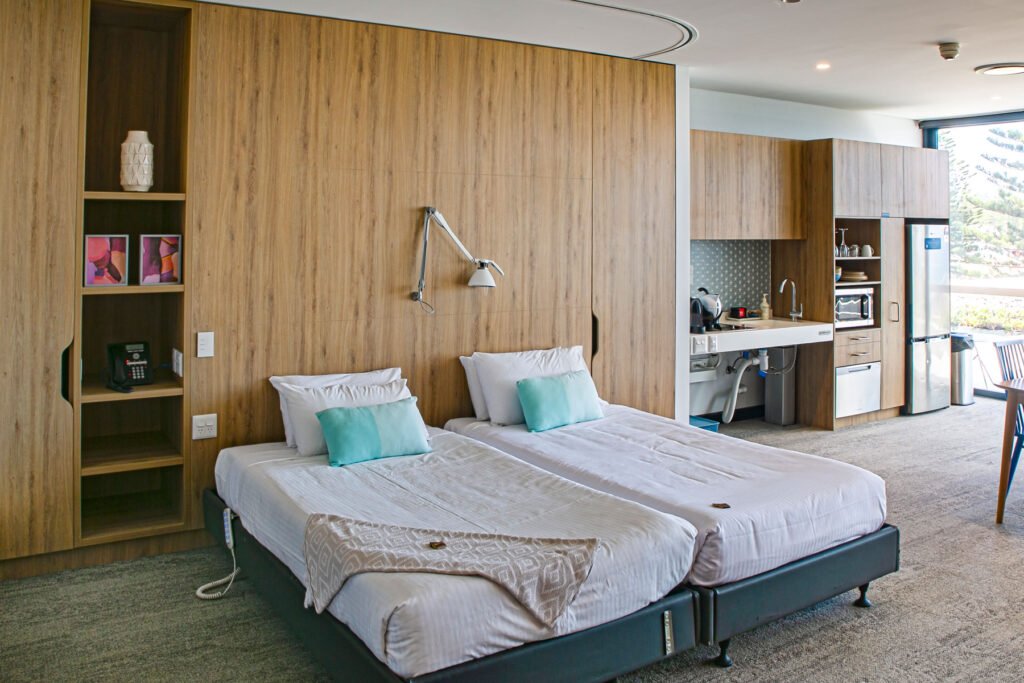
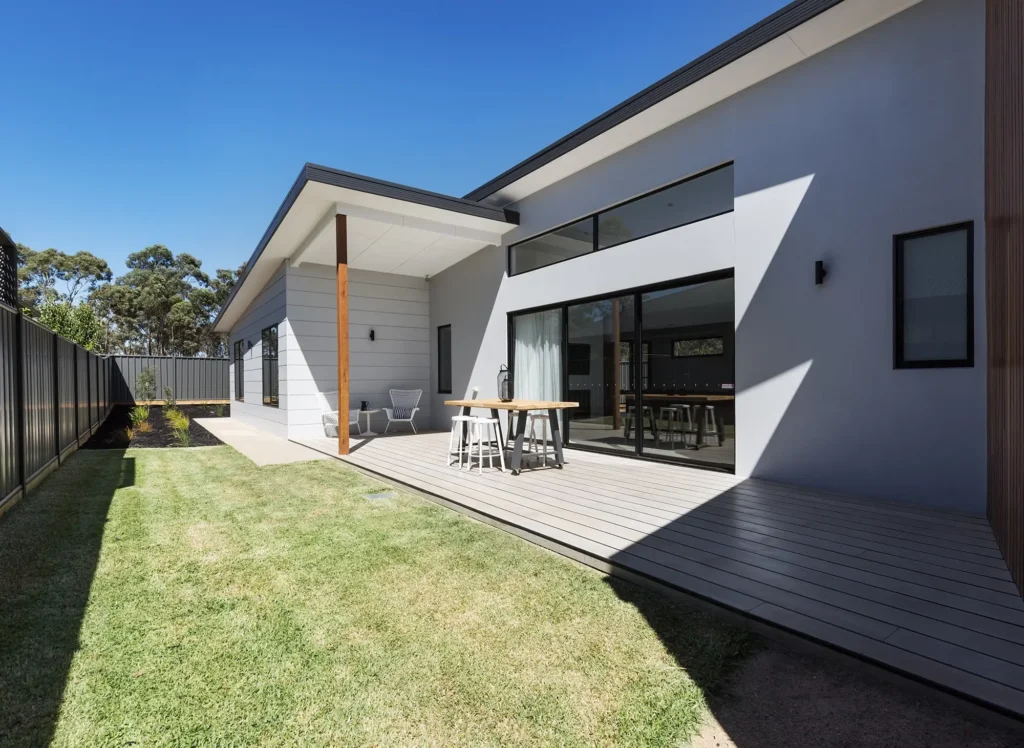
The environment plays a crucial role in the success of short term accommodation. Properties used for STA in Sydney are designed or selected to be comfortable, accessible, and welcoming. They may include features such as step-free access, accessible bathrooms, and spacious living areas to support mobility and independence.
A calm and homely atmosphere helps participants relax and settle in quickly. Familiar routines, personal belongings, and supportive staff all contribute to a positive accommodation experience.
Skilled and Compassionate Support Staff
The quality of short term accommodation in Sydney depends heavily on the people providing support. Trained and compassionate staff assist participants with personal care, daily living tasks, and social activities while respecting individual preferences and boundaries.
Support staff understand the importance of building trust and rapport. They provide reassurance, encourage independence, and adapt their approach to suit each participant, ensuring support feels natural rather than intrusive.
Supporting Independence Through Short Term Stays
Short term accommodation in Sydney is an opportunity for participants to develop and practice independent living skills in a supported environment. This may include cooking, managing personal routines, making decisions, and engaging with the community.
By encouraging independence during STA, participants gain confidence and self-esteem. These skills often transfer back to their everyday lives, contributing to long-term personal growth and autonomy.
Respite and Wellbeing for Families and Carers
One of the most important benefits of short term accommodation is the respite it provides to families and carers. Caring for a loved one with disability can be rewarding but also physically and emotionally demanding. Regular breaks are essential for maintaining wellbeing and preventing burnout.
Short term accommodation in Sydney allows carers to rest, focus on their own health, or attend to other responsibilities, knowing their loved one is safe and well supported. This balance strengthens caring relationships and supports sustainable long-term care.
Social Connection and Community Participation
Short term accommodation is not just about rest; it is also about connection and engagement. Participants staying in STA often have opportunities to take part in social activities, community outings, and group experiences that build friendships and reduce isolation.
Community participation during short term accommodation in Sydney helps participants feel included and valued. These shared experiences can lead to new interests, skills, and lasting social connections.
Short Term Accommodation for Different Life Situations
Short term accommodation in Sydney supports a wide range of life situations. Some participants use STA as a planned break, while others require it during unexpected circumstances such as illness, family emergencies, or housing changes.
STA can also support transitions, such as moving from the family home to supported independent living. In these situations, short term accommodation provides stability and continuity while longer-term arrangements are prepared.
Flexibility and Choice in Length of Stay
Flexibility is a defining feature of short term accommodation in Sydney. Stays can be tailored to individual needs, whether for a weekend, a week, or several weeks. This flexibility ensures support fits around participants’ lives rather than forcing them into rigid structures.
Choice in length and timing of stays empowers participants to plan breaks that align with their goals, preferences, and family circumstances.
Maintaining Routines and Continuity of Care
Maintaining familiar routines is important for many people with disability, particularly those who thrive on structure and predictability. Short term accommodation in Sydney is designed to respect existing routines while gently introducing new experiences when appropriate.
Continuity of care ensures participants receive consistent, reliable support throughout their stay. This reduces anxiety and helps individuals settle in quickly and comfortably.
Supporting Emotional and Mental Wellbeing
Short term accommodation can have a positive impact on emotional and mental wellbeing. A change of environment, supportive social interactions, and engaging activities can reduce stress and improve mood.
For participants who experience anxiety or emotional challenges, STA provides a supportive space to relax, recharge, and feel understood. Staff are attentive to emotional needs and provide reassurance and encouragement as required.
Cultural Sensitivity and Inclusive Practices
Sydney is a culturally diverse city, and short term accommodation services must reflect this diversity. Inclusive and culturally sensitive practices ensure participants feel respected and comfortable regardless of background.
This may include respecting dietary preferences, communication styles, and cultural customs. Inclusive STA promotes trust and ensures equitable access to quality support for all participants.
Safety and Quality Standards in Short Term Accommodation
Safety is fundamental to short term accommodation in Sydney. Properties are maintained to high standards, and staff follow clear procedures to ensure participant wellbeing. Risk management, medication support, and emergency planning are all integral components of quality STA.
High safety standards give participants and families confidence that accommodation is secure, supportive, and professionally managed.
Supporting Participants With Complex Needs
Some participants require higher levels of support due to complex physical, behavioural, or medical needs. Short term accommodation in Sydney can be tailored to provide additional assistance, specialised equipment, or increased staffing as required.
Careful planning and skilled support ensure participants with complex needs can enjoy STA safely and comfortably, with their dignity and preferences always respected.
Short Term Accommodation for Skill Building and Growth
STA is an opportunity for growth as well as rest. Participants can explore new activities, learn practical skills, and gain confidence in a supportive setting. This may include cooking, budgeting, or social skills, depending on individual goals.
Skill-building during short term accommodation contributes to long-term independence and improved quality of life.
Strengthening Confidence and Self-Esteem
Positive experiences during short term accommodation in Sydney can significantly strengthen confidence and self-esteem. Successfully navigating a stay away from home, making choices, and participating in activities all reinforce a sense of capability and self-worth.
These outcomes align closely with the broader goals of the NDIS, supporting participants to live more independent and fulfilling lives.
Collaboration With Families and Support Networks
Effective short term accommodation involves collaboration with families, carers, and other support providers. Open communication ensures everyone understands the participant’s needs, preferences, and goals.
This collaborative approach supports smoother transitions, consistent care, and better overall outcomes for participants.
Why Short Term Accommodation Matters
Short term accommodation in Sydney is more than a temporary solution; it is a vital support that enhances wellbeing, independence, and resilience. By providing safe, supportive, and engaging environments, STA helps participants and families navigate the challenges of everyday life.
When delivered with care, respect, and professionalism, short term accommodation becomes a positive and empowering experience rather than a disruption.
Short Term Accommodation With SADC Disability Services
Short term accommodation in Sydney delivered by SADC Disability Services is grounded in compassion, experience, and a strong commitment to person-centred care. Every stay is carefully planned to ensure participants feel safe, supported, and respected.
Through comfortable accommodation, skilled staff, and meaningful activities, SADC Disability Services supports participants to rest, grow, and reconnect. The focus is always on enhancing quality of life while providing families and carers with peace of mind.
A Supportive and Inclusive Future
Short term accommodation plays a key role in building a more inclusive and supportive community. By meeting temporary needs with dignity and flexibility, STA helps people with disability remain connected, confident, and empowered.
With the right support, short term accommodation in Sydney becomes a pathway to greater independence, stronger relationships, and a better quality of life for participants and their families.
Get in touch
91 Belmore Rd, Riverwood NSW 2210
1300 242 492
SADC disability services
Faqs on Short term accommodation in Sydney by SADC Disability Services:-
1. What is short term accommodation in Sydney?
Short term accommodation in Sydney provides temporary, supported stays for people with disability who need a break from their usual living environment. It includes accommodation, daily living support, meals, and assistance with activities. The focus is on comfort, safety, and wellbeing during the stay.
2. Who is short term accommodation designed for?
Short term accommodation is suitable for NDIS participants who need temporary support away from home. This may include individuals seeking a planned break, those transitioning between living arrangements, or participants whose carers need respite. Support is tailored to individual needs.
3. How long can someone stay in short term accommodation?
Stays can range from a few days to several weeks, depending on individual circumstances and funding. The length of stay is flexible and planned around participant needs and goals. This flexibility allows STA to support a wide range of situations.
4. Is short term accommodation funded by the NDIS?
Yes, short term accommodation can be funded through the NDIS when it aligns with a participant’s plan and goals. Funding typically covers accommodation, support, meals, and activities. It is often used as a form of respite or skill-building support.
5. What supports are included during a short term stay?
Supports usually include personal care, assistance with daily living, meal preparation, and community access. Staff are available to provide supervision and encouragement as needed. The level of support is adjusted to suit each participant.
6. How does short term accommodation support independence?
STA encourages participants to practice daily living skills in a supported environment. This may include cooking, managing routines, or making choices about activities. These experiences help build confidence and independence.
7. Can short term accommodation be used as respite for carers?
Yes, respite is a key purpose of short term accommodation. It gives families and carers time to rest, manage personal commitments, or recharge. Knowing their loved one is well supported provides peace of mind.
8. What type of accommodation is used for STA?
Short term accommodation is provided in comfortable, accessible homes or facilities designed to support people with disability. These environments are welcoming and adapted to meet mobility and support needs. The aim is to create a home-like atmosphere.
9. Is short term accommodation suitable for people with complex needs?
Yes, STA can support participants with complex physical, behavioural, or medical needs. Additional supports and planning are put in place to ensure safety and comfort. Care is always delivered with dignity and respect.
10. Are meals provided during short term accommodation?
Meals are typically included as part of short term accommodation. Dietary requirements, preferences, and cultural needs are respected. Participants may also be supported to prepare meals if this aligns with their goals.
11. How are participants supported emotionally during their stay?
Staff provide reassurance, encouragement, and emotional support throughout the stay. They take time to build trust and help participants feel comfortable in a new environment. Emotional wellbeing is considered just as important as physical care.
12. Can participants maintain their usual routines during STA?
Yes, maintaining familiar routines is encouraged whenever possible. This helps participants feel settled and reduces anxiety. Support is flexible to balance routine with new experiences.
13. Does short term accommodation include community activities?
Many STA stays include opportunities for community participation and social activities. These experiences help reduce isolation and build connections. Activities are chosen based on participant interests and abilities.
14. Is short term accommodation appropriate during life transitions?
Short term accommodation is often used during transitions such as moving homes or changes in support arrangements. It provides stability while long-term plans are finalised. This helps reduce stress during periods of change.
15. How is safety managed in short term accommodation?
Safety is ensured through trained staff, clear procedures, and well-maintained environments. Risk management and emergency planning are integral parts of STA. Participant wellbeing is always prioritised.
16. Can short term accommodation support skill development?
Yes, STA is an excellent opportunity for skill-building. Participants may work on cooking, self-care, communication, or social skills. These experiences support long-term independence.
17. Is short term accommodation suitable for older participants?
Short term accommodation is well suited to older participants who may need additional support or respite. Care is delivered with patience and understanding. This helps older individuals remain comfortable and engaged.
18. How does STA support social connection?
STA provides opportunities to interact with staff and, in some cases, other participants. Shared activities and outings help build relationships. Social connection contributes to improved mental wellbeing.
19. Can short term accommodation reduce stress and burnout?
Yes, short term accommodation can reduce stress for both participants and carers. A change of environment and structured support can be refreshing. This break supports emotional and physical wellbeing.
20. How is participant choice respected during STA?
Participants are encouraged to make choices about daily activities, routines, and supports. Their preferences are respected at all times. This reinforces autonomy and self-determination.
21. Is short term accommodation culturally inclusive?
STA services aim to be culturally sensitive and inclusive. Cultural practices, communication styles, and preferences are respected. This ensures participants feel understood and valued.
22. Can STA be planned in advance?
Yes, short term accommodation can be planned ahead for holidays, respite, or personal goals. Advance planning helps ensure the stay meets participant needs. It also provides certainty for families and carers.
23. How does STA support mental wellbeing?
A supportive environment, social engagement, and meaningful activities can improve mood and reduce anxiety. Participants often feel refreshed after a short stay. Emotional support is an important part of STA.
24. Can short term accommodation support people during emergencies?
STA can sometimes be used during unexpected situations such as carer illness or housing issues. It provides temporary stability and care when it is most needed. This flexibility is a key benefit.
25. Why choose SADC Disability Services for short term accommodation in Sydney?
SADC Disability Services offers person-centred, compassionate short term accommodation tailored to individual needs. The focus is on safety, comfort, and meaningful experiences. Participants and families can trust that care is delivered with respect and professionalism.
Get in touch
91 Belmore Rd, Riverwood NSW 2210
1300 242 492
SADC disability services