
Table of Contents
Social Groups for NDIS Participants in Liverpool: A Complete Guide by SADC Disability Services
Social Groups for NDIS Participants in Liverpool: Creating meaningful opportunities for social connection is one of the most powerful ways to support independence, confidence, and overall wellbeing for people living with disability. At SADC Disability Services, we recognise that every person deserves a supportive community where they can engage, learn, grow, and build lasting relationships. That is why we offer inclusive, person-centred social groups for NDIS participants in Liverpool designed to enrich daily life, strengthen social skills, and empower participants to enjoy experiences that truly matter to them.
This guide dives into everything you need to know about social groups for NDIS participants in Liverpool—how they work, who can join, what activities are included, how NDIS funding applies, and why SADC Disability Services is trusted by families across Western Sydney.
Understanding the Importance of Social Connection Under the NDIS
The NDIS recognises social engagement as a crucial part of a person’s wellbeing. Social participation:
- Enhances communication skills
- Promotes independence
- Builds community belonging
- Strengthens mental health
- Encourages healthy routines
- Opens pathways to learning and employment
Despite this, many people living with disability struggle to find inclusive, welcoming social spaces that feel safe, supportive, and genuinely enjoyable. That is where social groups for NDIS participants in Liverpool come in—these groups fill the gap by creating structured, supervised, and meaningful opportunities for participants to build connections at their pace.
What Social Groups Under the NDIS Usually Involve
Social groups can vary widely depending on the provider and the needs of participants. At SADC Disability Services, we design our social groups around real-life outcomes—not just activities. Our goal is to create enjoyable experiences that help people develop the skills, confidence, and independence they need to live fulfilling lives.
Common activities include:
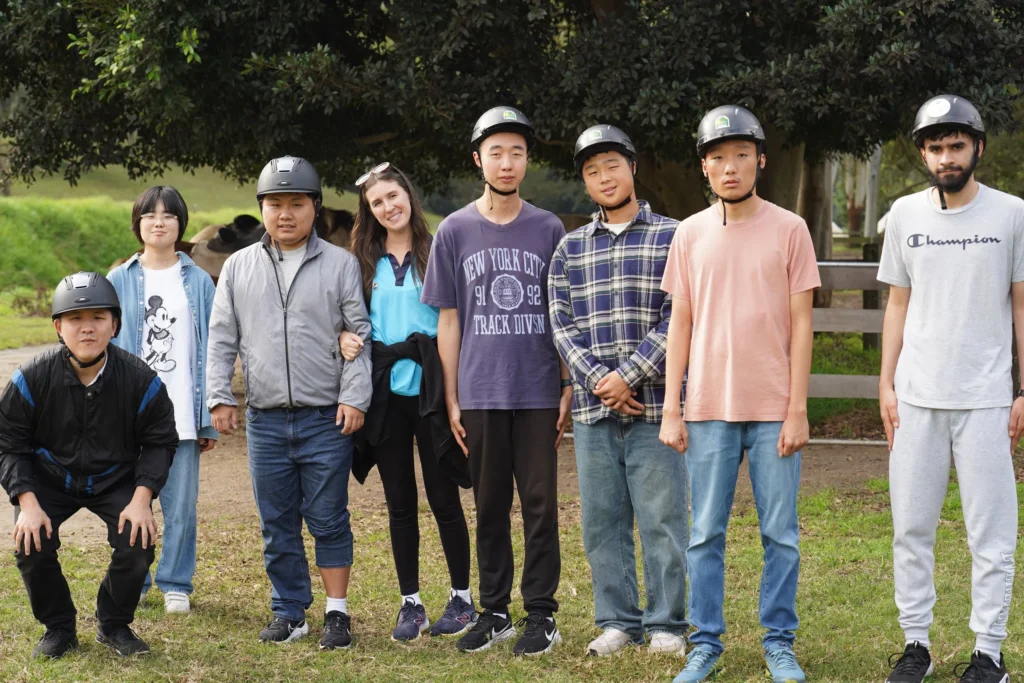
- Community outings
- Cooking and shared meals
- Sports and fitness sessions
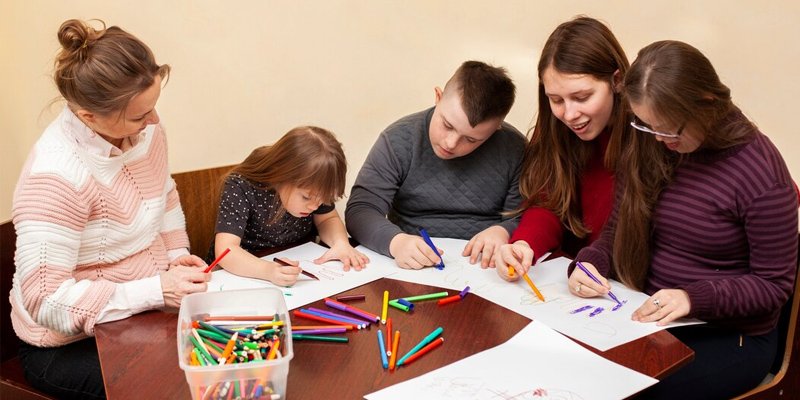
- Art and craft activities
- Social skill-building workshops
- Movie nights and indoor games
- Cultural events and festivals
- Life-skill sessions such as budgeting or travel training
- Group learning experiences
- Gardening and nature outings
The focus is always on fun, safety, inclusion, and personal development.
Why Social Groups Matter for NDIS Participants in Liverpool
Liverpool is one of Sydney’s most culturally rich and community-oriented suburbs. With parks, recreation centres, libraries, community hubs, and multicultural events happening year-round, it is an ideal place for meaningful participation.
However, navigating the community alone can be challenging for participants with:
- Limited confidence
- Communication barriers
- Mobility challenges
- Social anxiety
- Learning disabilities
- Autism spectrum conditions
This is why social groups for NDIS participants in Liverpool provide so much value—they offer the benefits of community engagement with the reassurance of trained support workers, structured planning, and a supportive peer environment.
How SADC Disability Services Designs Social Groups in Liverpool
At SADC Disability Services, our social groups are built around five core principles:
1. Person-Centred Planning
Every participant has unique interests, abilities, and comfort levels. We take the time to understand these preferences and match participants with the most suitable group settings.
2. Skill Development Through Experience
Our social groups focus on practical learning—communication, budgeting, teamwork, planning, decision-making, travel skills, and community behaviour.
3. Safe, Supportive Environments
Our support workers are trained to provide tailored assistance, manage behavior support needs, and encourage social confidence gently and respectfully.
4. Genuine Fun and Engagement
Social groups should feel like a joyful part of life—not a structured obligation. We design activities that participants actively look forward to.
5. Cultural Respect and Inclusion
Given the diversity of Liverpool, our programs respect and honour individual cultural backgrounds, languages, and values.
Types of Social Groups for NDIS Participants in Liverpool
SADC Disability Services offers a wide range of social groups, each designed to meet specific participant needs. These include:
1. Recreational Social Groups
Focusing on fun activities such as sports, bowling, gardening, swimming, dance classes, and community events.
2. Creative Social Groups
Designed for those who love art, music, craft, performance, photography, or writing.
3. Skill-Building Social Groups
Helping participants build independence through cooking classes, budgeting workshops, digital literacy, and personal development.
4. Community Access Groups
Facilitating safe participation in the community through outings, events, library visits, museum tours, and public transport training.
5. Wellbeing and Fitness Groups
Activities include group walks, yoga, light exercise, stretching routines, and mental wellness sessions.
6. Youth and Young Adult Social Groups
Designed for participants aged 16 to 30 who want to build confidence, social skills, and friendships in a supportive environment.
7. Women-Only or Men-Only Social Circles
Providing participants with safe spaces where they can speak freely, connect, and support each other.
How NDIS Funding Covers Social Groups
NDIS participants can typically access social groups through:
- Core Supports → Assistance with Social and Community Participation
- Capacity Building → Increased Social and Community Participation
Both funding categories support activities that build independence, encourage participation, and improve wellbeing.
SADC Disability Services helps participants understand their plan, budget appropriately, and use their funding effectively without stress.
What Makes SADC Disability Services Stand Out
Families in Liverpool choose SADC Disability Services because:
- We offer personalised, flexible programs
- All activities are designed with safety and quality at the forefront
- Our team is experienced, multicultural, and compassionate
- Our social groups support real growth—not just attendance
- Participants develop friendships that enrich their lives
- We involve families, guardians, and support coordinators in planning
- We ensure clear communication and consistent updates
Our approach ensures that every participant feels valued, supported, and empowered.
A Day in a Social Group for NDIS Participants in Liverpool
Here is an example of what a typical day might look like with SADC Disability Services:
- Morning check-in – Participants gather, greet each other, and discuss the day’s plan.
- Warm-up activities – Light conversation, goal-setting, or fun icebreakers.
- Main activity – A community outing, craft session, cooking class, or social skills workshop.
- Lunch together – Encouraging independence through meal preparation or ordering food.
- Afternoon engagement – Games, discussions, and confidence-building exercises.
- Review of achievements – Participants share what they enjoyed and learned.
- Drop-off or pickup – Support workers help participants return home safely.
Every step is guided by trained staff, ensuring comfort and inclusion.

How Social Groups Build Long-Term Independence
Consistent engagement in social groups leads to:
- Improved communication
- Stronger emotional regulation
- Better decision-making
- Increased confidence
- Enhanced problem-solving
- Routine-building
- Community familiarity
- Better self-advocacy
These are lifelong skills that can improve employment opportunities, education pathways, and personal wellbeing.
Social Groups for NDIS Participants in Liverpool: Designed for All Ages
Whether someone is a child, teenager, adult, or senior, social engagement remains essential throughout life. SADC Disability Services offers age-appropriate groups to ensure comfort and relevance.
Safety, Comfort, and Choice
Our participants always retain the right to:
- Choose activities
- Opt-out if overwhelmed
- Request support
- Suggest ideas
- Express concerns
Respect and dignity guide everything we do.
How to Join Our Social Groups in Liverpool
The process is simple:
- Contact SADC Disability Services
- Meet with our team to discuss goals
- Choose suitable social groups
- Start attending at your pace
We welcome participants with all levels of support needs.
Conclusion
Social groups for NDIS participants in Liverpool play a critical role in enriching lives, strengthening social confidence, and building meaningful friendships. At SADC Disability Services, we believe that every person deserves opportunities to grow, engage, and experience joy in a safe and supportive environment. Our programs are carefully designed to reflect individual interests, cultural values, and personal goals—ensuring every participant feels seen, heard, and empowered.
If you want an inclusive, compassionate, and professional provider who truly understands the power of connection, SADC Disability Services is here to support your journey.
Get in touch
91 Belmore Rd, Riverwood NSW 2210
1300 242 492
SADC disability services
FAQs – Social Groups for NDIS Participants in Liverpool
1. What are social groups for NDIS participants in Liverpool?
Social groups for NDIS participants in Liverpool are structured, supportive group activities designed to help participants build social skills, make friends, engage in the community, and enjoy meaningful, fun experiences under the guidance of trained disability support workers.
2. Who can join social groups at SADC Disability Services?
Any NDIS participant with funding for social and community participation—children, teens, adults, or seniors—can join, regardless of support needs or background.
3. Are the social groups suitable for participants with high support needs?
Yes. SADC Disability Services accommodates all levels of disability support, ensuring safe, personalised assistance for participants with complex or high-level needs.
4. What types of activities are offered within the social groups?
Activities may include arts, sports, music sessions, community outings, games, cooking, fitness, cultural events, life-skills lessons, and group outings to local attractions.
5. How often do the social groups run?
Social groups can run weekly, fortnightly, or monthly depending on participant preference and group type, with flexible scheduling available.
6. Do I need NDIS funding to join a social group?
Yes, most participants join using NDIS funding under Core Supports or Capacity Building, but privately funded options may be arranged if needed.
7. Can families or carers attend the sessions?
Families and carers may join for certain events if the participant wishes, but most sessions are designed to encourage independent engagement.
8. Are the social groups run in Liverpool only?
Liverpool is the primary location, but activities may also take place in nearby suburbs for outings, events, or community participation.
9. Does transportation come included?
Yes. SADC Disability Services can provide door-to-door transport depending on participant needs and NDIS funding arrangements.
10. How many people are in each social group?
Group sizes vary from small groups of 3–5 for personalised engagement to larger groups of 8–12 for community-based activities.
11. Will I get to choose the group I join?
Absolutely. Participants choose based on interests, comfort level, goals, and preferred social settings.
12. What if I feel anxious joining a group?
SADC Disability Services offers gentle transitions, one-to-one introductions, gradual exposure, and support workers who specialise in anxiety-friendly approaches.
13. Are the activities culturally inclusive?
Yes. SADC Disability Services celebrates cultural diversity and ensures activities respect cultural needs, values, languages, and personal beliefs.
14. How do social groups help develop communication skills?
Through conversations, teamwork, shared tasks, and social exposure, participants naturally build verbal and non-verbal communication skills.
15. Are the groups accessible for participants with mobility challenges?
Yes. All venues and transport arrangements are selected for full accessibility and safety.
16. Can participants with autism join the group activities?
Yes. Many activities are autism-friendly, with structured routines, sensory-aware planning, and patient, trained support staff.
17. How does SADC Disability Services ensure safety during outings?
Safety measures include risk assessments, trained staff supervision, accessible transport, emergency planning, and consistent participant monitoring.
18. Are meals or snacks provided?
Meals may be included during certain activities like cooking groups. Participants can also bring their own food or contribute to shared meals.
19. What if I don’t enjoy group environments?
SADC Disability Services can start you with one-on-one supports or smaller groups until you feel comfortable joining larger activities.
20. Do social groups help with independence?
Yes. Participants learn community behaviour, decision-making, budgeting, transport use, planning skills, and daily living abilities.
21. Will I make new friends in these groups?
Many participants form lasting friendships through shared interests and regular engagement in a safe, supportive environment.
22. How do social groups improve mental health?
They reduce isolation, build confidence, increase motivation, and provide emotional support through positive social experiences.
23. Is there a minimum age to join?
No. SADC Disability Services offers age-appropriate groups for children, teens, young adults, and older adults.
24. Are the groups gender-inclusive?
Yes. There are mixed-gender groups, as well as optional women-only or men-only groups for participants who prefer them.
25. What qualifications do support workers have?
Support workers hold relevant disability support qualifications, first-aid certificates, and specialised training in behavioural support, communication, and safeguarding.
26. How long is each session?
Sessions typically run 2–6 hours depending on the group type and activity.
27. Can support coordinators refer participants?
Yes. SADC Disability Services works directly with support coordinators and plan managers to make the process simple.
28. Do social groups help with NDIS goals?
Yes. Activities are tailored to support goals related to independence, social skills, wellbeing, communication, and community participation.
29. Can participants join more than one group?
Yes. Participants can attend multiple social groups based on interests and available funding.
30. Are sessions flexible around my schedule?
SADC Disability Services offers multiple scheduling options, including weekdays, weekends, evenings, and school holidays.
31. Do you offer holiday or school break programs?
Yes. Holiday programs include full-day activities, special events, and seasonal community engagements.
32. Will I get a personalised activity plan?
Yes. Each participant receives a tailored plan based on their preferences, needs, and goals.
33. How do I enrol in a social group?
Simply contact SADC Disability Services, discuss your interests, complete an intake meeting, and choose the groups that suit you.
34. Can non-verbal participants join the groups?
Absolutely. All communication styles are respected, and our staff are trained in alternative communication methods.
35. Do social groups help with building confidence?
Yes. Regular engagement, peer interaction, and supportive environments significantly boost self-esteem and confidence.
36. What if I need help managing behaviour during sessions?
Behaviour support plans are followed respectfully, and trained staff provide calm, consistent support.
37. Are there indoor and outdoor activities?
Yes. Activities include both indoor experiences like craft and outdoor adventures like nature walks or sports.
38. How do social groups improve daily routines?
They help participants follow schedules, practice time management, and build structured habits.
39. Are fees covered under my NDIS plan?
Yes. Most social group costs are fully covered depending on your funding.
40. What if my funding is limited?
SADC Disability Services helps you plan sessions within your budget or explore alternative group options.
41. Can I trial a session before fully enrolling?
Yes. Trial sessions are available so participants can decide whether the group feels right for them.
42. Are parents updated about progress?
Yes. Families receive regular updates, reports, and communication depending on preferences.
43. Can I choose who I want to be in a group with?
When possible, we match participants with peers who share similar interests or comfort levels.
44. What if I need emotional support during a session?
Support workers provide gentle reassurance, breaks, quiet spaces, and personalised assistance.
45. Are the groups sensory-friendly?
Many activities are sensory-aware, and sensory needs are accommodated wherever possible.
46. Are group sessions fun and enjoyable?
Yes. Fun is a priority—participants engage in laughter, teamwork, games, creativity, and positive experiences.
47. Do the groups help prepare for employment?
Yes. Skill-building groups improve communication, teamwork, routine-building, and social confidence—important for job readiness.
48. Can I suggest new activities?
Absolutely. Participants are encouraged to voice preferences and help shape the group schedule.
49. Do social groups help school-aged participants?
Yes. They support social development, emotional growth, and peer interaction in a relaxed environment.
50. Are groups supervised at all times?
Yes. Staff supervise and support participants during the entire duration of every activity.
51. Do you accommodate dietary needs during food-related activities?
Yes. All dietary restrictions, allergies, and preferences are carefully followed.
52. How do you manage mixed ability levels?
Activities are designed to be flexible so participants of all abilities can participate comfortably.
53. Are programs regularly updated?
Yes. Activities are refreshed often to keep them exciting and motivating.
54. How do you ensure participants feel included?
Through positive encouragement, respectful support, inclusion strategies, and peer-matching.
55. What if a participant has limited communication skills?
Support workers use gestures, visuals, communication devices, or simplified language to support engagement.
56. Can siblings join?
Siblings may be included in some special events if planned in advance.
57. Are community outings safe?
Yes. Staff follow risk assessments, travel safety procedures, supervision protocols, and emergency guidelines.
58. Do you support participants with sensory sensitivities?
Yes. Quiet spaces, sensory tools, breaks, and tailored pacing are available.
59. How do you help participants make friends?
Through group games, collaborative tasks, teamwork activities, shared interests, and supportive conversations.
60. Are there groups specifically for young adults?
Yes. Young adult groups focus on independence, social confidence, career readiness, and peer friendships.
61. Do social groups support emotional regulation?
Yes. Staff model calming strategies and structured routines to help participants manage emotions.
62. What is the atmosphere like in the social groups?
Friendly, welcoming, calm, and supportive—participants feel respected and valued.
63. Are there creative groups?
Yes. Art, craft, music, photography, and design groups are popular options.
64. Can activities be customised to individual interests?
Yes. Participants’ interests help shape group themes and schedules.
65. How do I know which group is right for me?
A team member will discuss your goals, strengths, interests, routines, and comfort level before recommending a suitable group.
66. Can participants attend multiple days per week?
Yes. Attendance is flexible based on individual funding and availability.
67. Are groups suitable for non-social participants?
Yes. We gradually introduce social interaction in gentle, comfortable steps.
68. What if I have a health condition or medical need?
Support workers follow all health plans, medication schedules, and medical guidelines safely.
69. Do social groups help reduce isolation?
Absolutely. Regular social engagement can significantly reduce loneliness and build long-term emotional wellbeing.
70. Why choose SADC Disability Services for social groups in Liverpool?
Because we prioritise personalised support, safety, cultural inclusion, meaningful activities, skill-building, friendship, and real-life outcomes that enrich daily life.
Get in touch
91 Belmore Rd, Riverwood NSW 2210
1300 242 492
SADC disability services