
Table of Contents
NDIS Support for Cerebral Palsy in Sydney – A Complete Guide by SADC Disability Services
NDIS Support for Cerebral Palsy in Sydney: Supporting a person with cerebral palsy is a journey that evolves with time, goals, abilities, and daily living needs. For individuals and families navigating cerebral palsy support in Australia, the National Disability Insurance Scheme (NDIS) is a lifeline that brings structured, funded, person-centred assistance. As a leading provider, SADC Disability Services plays a major role in helping participants receive meaningful and effective NDIS support for cerebral palsy in Sydney.
This comprehensive guide explores every aspect of support—from therapies and assistive technology to personal care and community participation. Whether you’re newly diagnosed, transitioning to the NDIS, or updating your plan, this article equips you with everything you need to know about NDIS support for cerebral palsy in Sydney.
1. Understanding Cerebral Palsy and Daily Living Needs
Cerebral palsy is a neurological condition that affects muscle tone, coordination, movement, posture, speech, swallowing, and sensory processing. Because cerebral palsy presents differently in each individual, the level of NDIS support for cerebral palsy in Sydney varies significantly from person to person.
Common needs include:
- Daily living support
- Mobility assistance
- Therapy and allied health services
- Assistive technology
- Support coordination
- Personal care and hygiene routines
- Behavioural and emotional support
- Communication supports
- Community participation
These needs are exactly what the NDIS is structured to fund—and SADC Disability Services ensures participants receive personalised, culturally sensitive, and effective NDIS support for cerebral palsy in Sydney.
2. How the NDIS Helps Participants with Cerebral Palsy in Sydney
The NDIS funds essential supports aimed at improving independence, safety, mobility, and quality of life. With the right guidance, participants can access all available categories of NDIS support for cerebral palsy in Sydney.
Key areas of support typically funded include:
2.1 Core Supports
Core Supports assist with everyday activities. For a person with cerebral palsy, this may include:
- Daily personal care
- Showering and dressing
- Meal preparation
- Household tasks
- Nursing support
- Assistance with feeding
- Toileting and continence support
SADC Disability Services provides reliable, compassionate, and flexible NDIS support for cerebral palsy in Sydney under Core Supports.
2.2 Capacity Building Supports
These supports help participants build long-term independence.
They include:
- Occupational therapy
- Physiotherapy
- Speech therapy
- Psychology and behavioural supports
- Social skills development
- Community participation training
Participants with cerebral palsy often rely heavily on these services, making Capacity Building a crucial component of NDIS support for cerebral palsy in Sydney.
2.3 Capital Supports
This includes funding for:
- Assistive technology
- Equipment
- Wheelchairs
- Home modifications
- Vehicle modifications
These supports can dramatically improve mobility, comfort, and accessibility.

3. Why SADC Disability Services Is a Leading Provider in Sydney
Choosing the right NDIS provider can shape your entire experience with the scheme. SADC Disability Services is known across Sydney for delivering person-centred, culturally aware, and flexible services tailored to the unique needs of participants with cerebral palsy.
3.1 Person-Centred Support
SADC prioritises your goals, abilities, preferences, and long-term wellbeing. Their approach ensures that every form of NDIS support for cerebral palsy in Sydney is customised to the individual.
3.2 Consistent, Respectful Care Workers
Families value consistency—especially for participants who require daily personal support. SADC workers are trained, empathetic, and experienced in mobility assistance, communication challenges, and personal care needs.
3.3 Strong Communication With Families
Cerebral palsy often requires collaboration between families, doctors, therapists, and educators. SADC Disability Services works collaboratively to ensure your NDIS support for cerebral palsy in Sydney is smooth and well-coordinated.
3.4 Culturally Sensitive Support
Sydney is one of the world’s most diverse cities. SADC’s multicultural team ensures that all participants feel respected and comfortable.
4. Daily Living Assistance for Participants With Cerebral Palsy
Daily living assistance is often the most important part of NDIS support for cerebral palsy in Sydney, especially for individuals with moderate to high support needs.
Common supports include:
- Bathing, grooming, and hygiene
- Meal prep and feeding assistance
- Dressing and mobility transfers
- Helping participants start and end the day
- Continence support
- Medication reminders
- Hoist operations
- Assisting with communication devices
- Overnight support
The goal is always safety, independence, dignity, and comfort.
5. Mobility and Physical Support
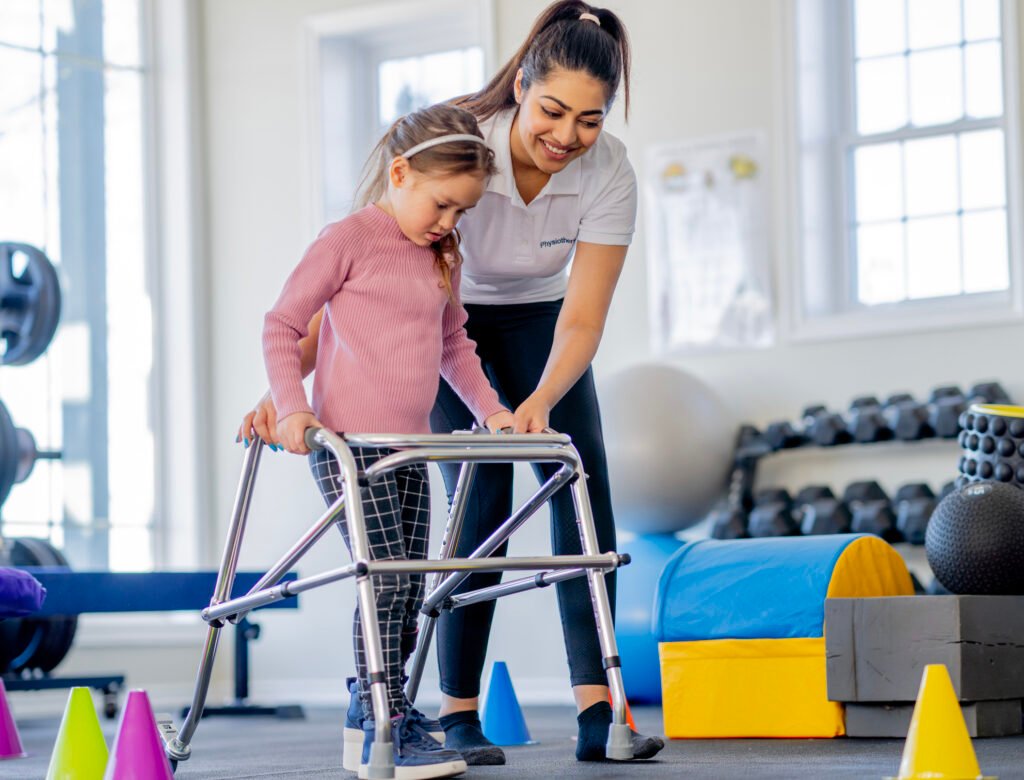
Mobility limitations are common among people with cerebral palsy. Qualified workers at SADC Disability Services help participants move safely throughout their day.
Supports include:
- Assistance using walkers, wheelchairs, or standing frames
- Transfers from bed to wheelchair
- Stretching and mobility exercises (under therapist direction)
- Ensuring safe movement during daily routines
This is one of the most consistent areas of NDIS support for cerebral palsy in Sydney, especially for children and adults with complex mobility needs.
6. Therapy and Allied Health Support
SADC collaborates with a wide network of therapists to help participants access:
- Occupational therapy (OT) for fine motor, sensory needs, and daily living skills
- Physiotherapy for muscle strength, movement, posture, and gait training
- Speech therapy for swallowing, speech, and communication devices
- Behaviour therapy for emotional regulation and social skills
Therapies are central to effective NDIS support for cerebral palsy in Sydney, especially for participants aiming to increase independence.

7. Support Coordination for Cerebral Palsy
Managing an NDIS plan can be overwhelming. Many families choose to include Support Coordination to help navigate all areas of NDIS support for cerebral palsy in Sydney.
Support coordinators assist with:
- Understanding your plan
- Choosing providers
- Managing appointments
- Reviewing goals and progress
- Preparing for NDIS plan reviews
Support Coordination ensures your plan is used effectively and that nothing is missed.
8. Assistive Technology for Cerebral Palsy
Assistive technology is essential for independence. SADC helps participants access the right equipment under their NDIS support for cerebral palsy in Sydney.
Examples of assistive technologies include:
- Manual and power wheelchairs
- Communication devices (AAC)
- Hoists and transfer aids
- Mobility walkers and frames
- Specialized mattresses and beds
- Environmental control systems
- Orthotics
Correct equipment can dramatically enhance quality of life.
9. Social and Community Participation
People with cerebral palsy benefit from social engagement, community involvement, and inclusion. SADC Disability Services offers community participation support such as:
- Attending events
- Participating in hobbies
- Skill-building activities
- Support to engage in sports or fitness
- Library visits
- Social outings
- Independent travel training
These activities are a meaningful part of NDIS support for cerebral palsy in Sydney, helping participants build confidence and connections.
10. Short-Term Accommodation & Respite for Cerebral Palsy
Caring for someone with cerebral palsy can be demanding. Respite support allows families to rest while ensuring the participant receives safe, high-quality care.
Short-term accommodation (STA) includes:
- 24/7 care
- Meals
- Activities
- Community access
- Skill development
This is especially beneficial for participants with complex needs who require thorough NDIS support for cerebral palsy in Sydney.
11. Specialist Disability Accommodation (SDA)
Participants with significant mobility limitations or high support needs may be eligible for SDA funding.
Features may include:
- Fully accessible homes
- Ceiling hoists
- Mobility-friendly bathrooms
- Emergency response systems
SADC helps families explore suitable SDA options as part of holistic NDIS support for cerebral palsy in Sydney.
12. Behaviour Support and Emotional Wellbeing
Cerebral palsy can sometimes be accompanied by behavioural challenges, emotional distress, or difficulty regulating emotions.
Behaviour support may include:
- Strategies for communication
- Emotional regulation techniques
- Positive behaviour support plans
- Family-centred behavioural guidance
These services often play a significant role in the participant’s success.
13. Children’s Support for Cerebral Palsy
For children, NDIS support for cerebral palsy in Sydney focuses on early development, motor skills, sensory needs, communication, and school readiness.
SADC provides:
- Early childhood supports
- Play-based therapy
- Developmental programs
- Social interaction activities
- Parental guidance and education
Children’s progress improves dramatically with early and consistent intervention.
14. Teen and Adult Support
Teens and adults need different types of NDIS support for cerebral palsy in Sydney, such as:
- Supported employment
- Skill development
- Community engagement
- Increased independence
- Daily living routines
- Transition planning
SADC ensures that support grows with the participant.
15. Why Families Prefer SADC Disability Services
Families choose SADC because they want a provider who is:
- Understanding
- Reliable
- Culturally respectful
- Experienced with cerebral palsy
- Flexible with scheduling
- Consistent with workers
- Person-centred in every way
Their holistic model ensures that your NDIS support for cerebral palsy in Sydney is comprehensive, empowering, and genuinely supportive.
16. Creating a Personalised Support Plan
Every participant receives a customised care plan that includes:
- Short-term goals
- Long-term goals
- Daily routines
- Therapy requirements
- Safety needs
- Skill-building targets
This ensures that NDIS support for cerebral palsy in Sydney is always meaningful and aligned to the participant’s life goals.
17. How SADC Helps With NDIS Plan Reviews
Plan reviews are essential for maintaining adequate support. SADC helps with:
- Collecting professional reports
- Providing progress updates
- Reviewing goals
- Identifying new needs
- Preparing documentation
This ensures ongoing access to the right NDIS support for cerebral palsy in Sydney.
18. Enhancing Independence Through Skill Development
SADC focuses on helping participants:
- Learn new skills
- Strengthen existing skills
- Increase confidence
- Maximise independence
Skill development may include cooking, communication, community travel, self-care, or social skills.
19. Supporting Families and Carers
SADC not only supports participants but also families. Their team provides education, emotional guidance, and practical strategies for at-home support.
20. Final Thoughts
Finding the right NDIS support for cerebral palsy in Sydney can transform a participant’s daily life, independence, health, and happiness. With personalised plans, experienced support workers, compassionate care, and comprehensive services, SADC Disability Services stands out as one of Sydney’s most trusted providers.
For families seeking clarity, assistance, and quality support, SADC is ready to help.
Get in touch
91 Belmore Rd, Riverwood NSW 2210
1300 242 492
SADC disability services
✅ FAQS ABOUT NDIS SUPPORT FOR CEREBRAL PALSY IN SYDNEY
1. What is NDIS support for cerebral palsy in Sydney?
NDIS support for cerebral palsy in Sydney refers to all funded services and assistance provided to people living with cerebral palsy to improve independence, mobility, wellbeing, skills, daily living, and community involvement.
2. Who is eligible for NDIS support for cerebral palsy in Sydney?
Anyone diagnosed with cerebral palsy that causes permanent functional impairment and significant difficulty completing daily tasks may be eligible for NDIS funding.
3. Can children with cerebral palsy access the NDIS in Sydney?
Yes, children of all ages, including infants, can access NDIS Early Childhood Early Intervention (ECEI) and dedicated supports for cerebral palsy.
4. What types of services are funded under NDIS support for cerebral palsy in Sydney?
Services include therapy, personal care, mobility support, assistive technology, respite, home modifications, community participation, and capacity-building supports.
5. How does SADC Disability Services help with cerebral palsy support?
SADC provides personalised care plans, therapy access, mobility assistance, daily living support, skill development, community participation, and support coordination.
6. Does cerebral palsy automatically qualify someone for the NDIS?
Not automatically, but most individuals with functional limitations from cerebral palsy meet NDIS eligibility criteria.
7. Can adults with cerebral palsy access NDIS support in Sydney?
Yes, adults up to age 65 can apply for and receive comprehensive supports funded by the NDIS.
8. What documents are needed to apply for NDIS support for cerebral palsy in Sydney?
Typically medical reports, functional assessments, mobility assessments, therapy letters, and proof of diagnosis from specialists.
9. Does the NDIS cover physiotherapy for cerebral palsy?
Yes, physiotherapy for mobility, posture, strength, and coordination is commonly funded.
10. Is occupational therapy covered under NDIS support for cerebral palsy in Sydney?
Yes, OT is widely funded to help with daily living, motor skills, sensory needs, and independence.
11. Does the NDIS fund speech therapy for cerebral palsy?
Yes, speech therapy supports communication devices, articulation, swallowing, and language skills.
12. Can the NDIS help with communication devices for cerebral palsy?
Yes. AAC devices, communication apps, switches, and specialised equipment can be funded.
13. Does SADC Disability Services offer personal care support?
Yes, SADC provides personal hygiene, grooming, dressing, feeding assistance, and daily living support.
14. Can the NDIS fund home modifications for cerebral palsy?
Yes. Ramps, bathroom modifications, railings, widened doorways, and accessible layouts may be funded.
15. What is the role of support coordination for cerebral palsy?
Support coordinators help manage the plan, find therapists, organise services, and oversee progress.
16. Does SADC offer support coordination for cerebral palsy?
Yes. SADC has experienced coordinators specialising in complex support needs.
17. Can NDIS support help with mobility equipment?
Yes, including wheelchairs, standing frames, walkers, and customised seating.
18. Are power wheelchairs funded through NDIS support for cerebral palsy in Sydney?
Yes, after an occupational therapist completes a functional assessment.
19. Can the NDIS fund orthotics for cerebral palsy?
Yes, orthotics, splints, AFOs, and related equipment are often included.
20. What daily living supports are available?
Assistance with showering, toileting, eating, mobility, household tasks, and medication reminders.
21. Does SADC offer in-home care for cerebral palsy?
Yes, SADC provides in-home daily support tailored to the participant’s needs.
22. What types of therapy are essential for cerebral palsy?
Physiotherapy, occupational therapy, speech therapy, behaviour support, and psychology.
23. Does the NDIS support early intervention for young children with cerebral palsy?
Yes, the Early Childhood Approach focuses on early development and therapy.
24. Can the NDIS fund respite or short-term accommodation?
Yes, respite and STA are available to give families a break while ensuring safe care.
25. Does SADC Disability Services provide respite?
Yes, SADC offers personalised respite care and short-term support programs.
26. Can participants choose their own support workers?
Yes, participants can choose workers through providers like SADC.
27. Does cerebral palsy support include behavioural therapy?
Yes, behaviour support is funded for emotional regulation, communication, and social development.
28. Can the NDIS fund hydrotherapy for cerebral palsy?
Yes, hydrotherapy guided by a physiotherapist is commonly funded.
29. Is music therapy available under NDIS support?
It may be funded if linked to functional outcomes and therapy goals.
30. Does SADC assist with social participation?
Yes, SADC helps participants attend social activities, hobbies, events, and community programs.
31. Can NDIS support help teenagers with cerebral palsy become more independent?
Yes, programs are available for independent living skills, social skills, and community engagement.
32. Does NDIS support transportation assistance?
Yes, transport funding can be included depending on mobility limitations.
33. Can participants receive help with employment skills?
Yes, support is available for job readiness, workplace learning, and supported employment.
34. Are meal preparation services covered?
Yes, NDIS Core Supports may fund assistance with preparing meals.
35. Can the NDIS fund specialised sleeping equipment?
Yes, pressure-relief mattresses, hospital beds, and sleep supports may be included.
36. Does SADC help with communication training?
Yes, SADC works alongside speech therapists to support communication needs.
37. Can behavioral challenges be supported by SADC?
Yes, trained workers support behavioural strategies designed by clinicians.
38. Can the NDIS fund continence products for cerebral palsy?
Yes, continence supports are available depending on individual needs.
39. Does NDIS support mental health for cerebral palsy participants?
Yes, psychological therapy and emotional support may be funded.
40. Is feeding assistance included in daily support?
Yes, feeding support including tube feeding (where applicable) can be funded.
41. Can SADC provide overnight support?
Yes, both sleepover and active overnight supports are available.
42. Does NDIS fund school support for children with cerebral palsy?
NDIS may fund therapies and equipment that support functional needs but not school staffing.
43. How does NDIS help with transition to adulthood?
Through skill development, independence training, therapy, and goal-based supports.
44. Can NDIS support help with adaptive sports?
Yes, coaching, participation, and equipment can be funded if linked to goals.
45. Are home cleaning supports included?
Light household assistance may be included as part of Core Supports.
46. Do participants need a diagnosis for funding?
Yes, an official diagnosis from a medical specialist is required.
47. Can SADC help with NDIS plan reviews?
Yes, SADC helps prepare evidence, reports, and assessments for plan reviews.
48. Does NDIS support cover pain management therapies?
Yes, physiotherapy and certain therapeutic supports may address pain management.
49. Are community access programs included?
Yes, supports to engage in social, recreational, and community activities are funded.
50. Can NDIS support help with learning daily routines?
Yes, daily living skills training is part of Capacity Building Supports.
51. Does SADC support culturally diverse families?
Yes, SADC offers culturally sensitive, multilingual, and family-focused support.
52. Can I get help with budgeting my NDIS funds?
Yes, support coordinators and plan managers can help manage funding.
53. Is SADC a registered NDIS provider?
Yes, SADC is fully registered to provide comprehensive cerebral palsy supports.
54. Does NDIS support help with sensory needs?
Yes, sensory tools, OT strategies, and adaptive equipment may be funded.
55. Can participants get support with communication training?
Yes, communication devices and training can be included in the plan.
56. Does SADC support feeding and swallowing needs?
Yes, SADC follows therapist-led plans for safe feeding and swallowing support.
57. Can the NDIS fund high-intensity personal care?
Yes, if the participant requires skilled support such as catheter care or PEG feeding.
58. Is travel training available for increased independence?
Yes, NDIS funds community travel training and independence-building support.
59. Can SADC help prepare documentation for plan reassessments?
Yes, SADC helps prepare progress notes, reports, and evidence for reviews.
60. Why is SADC Disability Services recommended for cerebral palsy support?
Because they provide customised, experienced, compassionate, and culturally aware care tailored specifically to the needs of participants living with cerebral palsy.
Get in touch
91 Belmore Rd, Riverwood NSW 2210
1300 242 492
SADC disability services