

Culturally Sensitive Aged Sydney | Top Trusted Expert 2025
Table of Contents
Culturally Sensitive Aged Care Services in Sydney: SADC Disability Services
Culturally Sensitive Aged Care Services in Sydney: Caring for our elders is a deep expression of love, respect, and responsibility. In Sydney’s rich multicultural landscape, aged care is not a one-size-fits-all service — it requires understanding, empathy, and cultural awareness. Every person’s background, language, belief, and value system shapes how they want to live and be cared for.
At SADC Disability Services, we recognise that true care means honouring each individual’s cultural identity. Our culturally sensitive aged care services in Sydney are designed to ensure that older adults receive compassionate, personalised, and respectful care that aligns with their traditions, language preferences, and way of life.
In this comprehensive guide, we explore what culturally sensitive aged care means, why it matters, and how SADC Disability Services is helping seniors from all backgrounds live with dignity, comfort, and cultural pride.
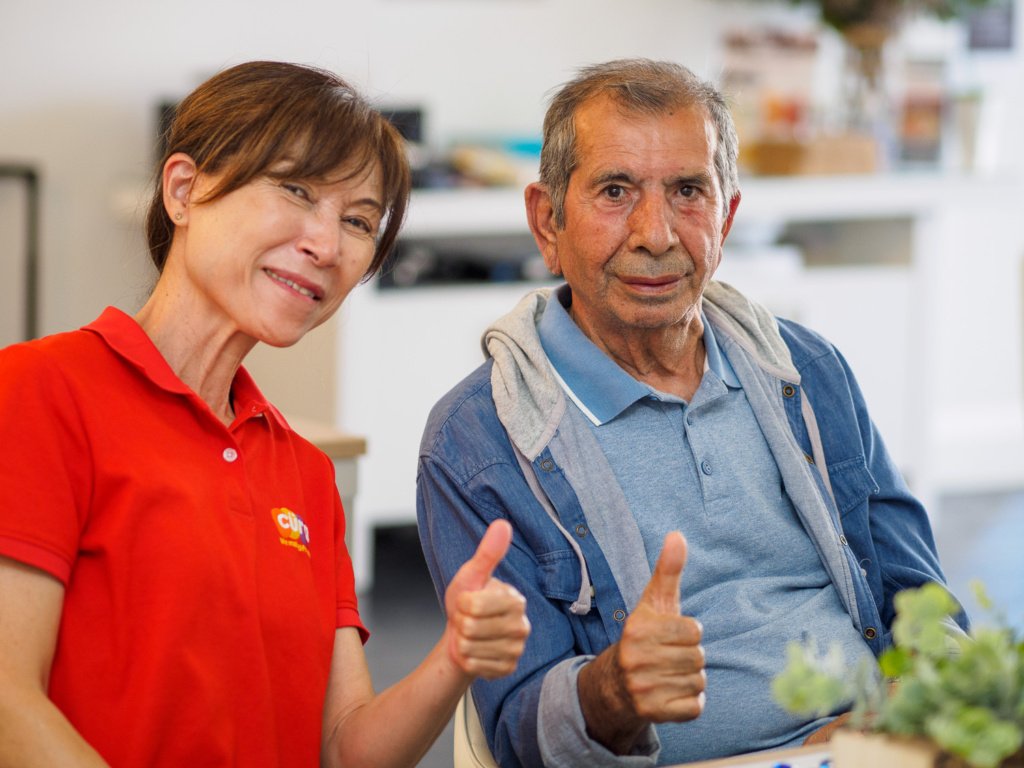
Understanding Culturally Sensitive Aged Care
Culturally sensitive aged care means providing support that respects a person’s cultural background, language, faith, and traditions. It’s about more than just communication — it’s about connection.
Older adults from different cultures may have specific preferences in food, clothing, prayer, social customs, and even the way they interact with caregivers. Recognising and respecting these differences allows for more comfortable, trusting, and effective care.
At SADC Disability Services, we understand that every culture has its own way of expressing respect, love, and independence. Our team is trained to deliver services that honour those values while supporting the individual’s physical, emotional, and spiritual needs.
Why Cultural Sensitivity Matters in Aged Care
- Enhances Emotional Well-being
When seniors are surrounded by caregivers who understand their language and traditions, they feel safe, respected, and valued. This reduces feelings of loneliness or isolation, which are common among older people in care settings. - Builds Trust and Communication
Language and cultural understanding improve communication between clients and carers. When a senior can speak in their native language or express feelings in familiar ways, their overall experience improves. - Supports Cultural Identity
Aging does not mean letting go of one’s roots. Culturally sensitive care preserves and celebrates an individual’s identity, encouraging them to continue traditions that bring meaning and joy. - Improves Quality of Care
Understanding dietary restrictions, spiritual practices, and family structures ensures that care is not just clinical but also compassionate and tailored to real needs. - Encourages Family Involvement
In many cultures, family plays an active role in caregiving. By involving families and respecting their cultural practices, SADC fosters stronger bonds and ensures continuity of care.
SADC’s Approach to Culturally Sensitive Aged Care in Sydney
At SADC Disability Services, we believe cultural inclusion should be the foundation of all aged care services. Our approach blends professional expertise with cultural empathy to deliver care that feels like home — no matter where you come from.
1. Multicultural Team of Carers
Our caregivers come from diverse cultural backgrounds and speak multiple languages. This diversity helps us match carers with clients who share similar cultures or languages, making care more relatable and comfortable.
2. Language Support
Communication is key to quality care. We offer carers who can speak the client’s preferred language and ensure translation support when needed to prevent misunderstandings and promote trust.
3. Cultural Awareness Training
Every SADC team member undergoes ongoing cultural awareness training. This includes understanding customs, greetings, dietary laws, gender sensitivities, and religious observances — so that no aspect of a person’s life is overlooked.
4. Personalised Care Plans
We develop individualised care plans that take into account the client’s cultural preferences, faith, food habits, celebrations, and family involvement. This ensures that every care experience is unique and meaningful.
5. Inclusive Meal Preparation
Food is deeply tied to culture. Our carers help prepare meals that respect the client’s traditional diet, whether it involves halal, vegetarian, kosher, or specific cultural cuisines. We ensure meals are both nutritious and culturally appropriate.
6. Respecting Religious and Spiritual Practices
From prayer times to attending religious services, we make sure clients can practice their faith freely. We also collaborate with families and community leaders to ensure spiritual support remains a part of daily care.
7. Family-Centred Support
Many cultures view family as the heart of caregiving. We involve families in care decisions, keep them informed, and encourage active participation to maintain strong emotional bonds.
8. Social and Community Connection
SADC helps clients engage with community groups and cultural events across Sydney. Staying socially active within familiar circles helps older adults maintain happiness, mental health, and cultural pride.
Benefits of Choosing SADC’s Culturally Sensitive Aged Care Services
- Personalised Care that Respects Individual Identity
Every senior receives care that reflects their unique values, language, and traditions. - Compassionate and Trained Carers
Our carers are not only skilled but also empathetic and respectful toward all cultural backgrounds. - Safe and Comfortable Environment
We ensure seniors feel “at home” in their care environment, whether at home or in a supported setting. - Better Communication and Understanding
With language support and cultural familiarity, seniors and carers build genuine trust and friendship. - Enhanced Emotional and Mental Wellbeing
Familiar routines, foods, and traditions help prevent loneliness, confusion, and anxiety. - Community and Family Engagement
We encourage family and community involvement in daily care, keeping seniors socially connected. - Flexible Care Options
Whether you need part-time help, 24-hour assistance, or respite care, we adapt to your cultural and personal needs.
Examples of Culturally Sensitive Practices at SADC
- Greeting elders respectfully in accordance with their culture.
- Ensuring meal preparation follows religious or dietary laws.
- Providing same-gender carers when culturally appropriate.
- Helping clients celebrate cultural festivals such as Lunar New Year, Diwali, Eid, or Christmas.
- Playing traditional music or offering language-specific entertainment.
- Respecting privacy, modesty, and gender norms.
- Using culturally appropriate communication styles — such as maintaining eye contact or personal space in culturally acceptable ways.
Cultural Diversity in Sydney and Its Impact on Aged Care
Sydney is one of the most multicultural cities in Australia. Communities from Asia, the Middle East, Europe, Africa, and the Pacific Islands contribute to a vibrant cultural landscape.
This diversity means aged care providers must go beyond standard service models. Each community has unique expectations and family structures that shape how care should be delivered.
At SADC Disability Services, we work closely with multicultural communities across Sydney to ensure care aligns with cultural norms — not against them. Our goal is to make aged care inclusive, empowering, and respectful for all.
In-Home Culturally Sensitive Aged Care
For many seniors, staying at home is a priority. Our in-home care services combine professional support with cultural comfort.
Whether it’s help with personal care, domestic assistance, medication reminders, or companionship — everything is done with cultural awareness in mind. This helps seniors maintain independence and dignity while staying connected to their roots.

Cultural Inclusivity in Disability and Aged Care
SADC also supports individuals who have both disability and aged care needs. Our dual-focus care ensures no one is left behind due to language barriers or cultural misunderstandings.
We create bridges between communities, offering accessible services for people from culturally and linguistically diverse (CALD) backgrounds who live with disabilities or are aging.
Training and Community Collaboration
We collaborate with multicultural organisations and community leaders across Sydney to ensure our care practices stay culturally informed. We also regularly review our training modules to incorporate new cultural insights.
Our carers learn how to:
- Approach communication with cultural sensitivity
- Respect religious holidays and fasting practices
- Understand family hierarchies and decision-making traditions
- Adapt care styles to different cultural norms
Empowering Elders Through Respect and Understanding
SADC’s mission is to empower seniors from all backgrounds to live confidently and comfortably. Cultural respect is not just part of our training — it’s part of our values.
Every act of care, from helping with meals to providing companionship, is delivered with patience, empathy, and cultural mindfulness.
We see each client as an individual with a story — a lifetime of experiences, traditions, and values that deserve to be honoured every day.
Get in Touch with SADC Disability Services
If you or your loved one is looking for culturally sensitive aged care services in Sydney, SADC Disability Services is here to help.
📍 Address: 91 Belmore Rd, Riverwood NSW 2210
📞 Phone: 1300 242 492
👥 Service: In-home aged care and disability support tailored to your cultural and personal needs
Our friendly team will guide you through your options, help design a culturally appropriate care plan, and ensure your loved one receives the respect and understanding they deserve.
Conclusion
Caring for someone means more than meeting physical needs — it’s about understanding who they are and where they come from.
SADC Disability Services believes in inclusive, culturally respectful aged care that celebrates diversity while delivering comfort and independence. Our mission is simple: to ensure every senior in Sydney, regardless of background, feels seen, respected, and truly cared for.
With SADC, you can rest assured that your loved one will receive compassionate, professional, and culturally meaningful care that nurtures both the body and the soul.
Get in touch
91 Belmore Rd, Riverwood NSW 2210
1300 242 492
SADC disability services
Here are 40 detailed FAQs about Culturally Sensitive Aged Care Services in Sydney — specifically designed for SADC Disability Services.
They are written in a clear, human tone, SEO-optimised, and ideal for use on your website or blog.
40 FAQs – Culturally Sensitive Aged Care Services in Sydney: SADC Disability Services
General FAQs
1. What does culturally sensitive aged care mean?
Culturally sensitive aged care refers to care services that respect a person’s cultural background, traditions, language, and beliefs. It ensures that elderly individuals receive support in a way that aligns with their identity, values, and customs.
2. Why is cultural sensitivity important in aged care?
Cultural sensitivity helps build trust, improve communication, and provide emotional comfort. It ensures seniors feel understood, respected, and connected to their heritage.
3. What makes SADC Disability Services culturally sensitive?
SADC Disability Services employs carers from diverse backgrounds, provides multilingual support, and designs care plans based on each client’s culture, religion, food preferences, and social traditions.
4. Who can access culturally sensitive aged care in Sydney?
Anyone aged 65 and over — or younger people with disabilities — can access culturally sensitive aged care through SADC Disability Services, regardless of their background.
5. Does SADC Disability Services only cater to certain cultures?
No. SADC supports all cultural and linguistic communities across Sydney. Our care is inclusive, tailored, and respectful of everyone’s heritage.
Language and Communication
6. Can I have a carer who speaks my language?
Yes. SADC Disability Services matches clients with carers who can communicate in their preferred language whenever possible.
7. How does SADC handle language barriers?
We offer bilingual carers and, if needed, professional interpreters to ensure accurate communication and avoid misunderstandings.
8. Does language matching improve quality of care?
Absolutely. When clients can express themselves in their language, it reduces stress and builds stronger trust with caregivers.
9. Are written care plans available in multiple languages?
Yes. SADC can provide care documentation and information in various languages to make the process accessible and transparent.
10. What if my family prefers to communicate in English, but I don’t?
We accommodate both preferences by facilitating smooth communication between family members, carers, and clients in all required languages.
Cultural and Religious Practices
11. Does SADC respect religious practices and prayer times?
Yes. We fully support and accommodate religious observances, prayer schedules, fasting periods, and other spiritual needs.
12. Can SADC carers help me attend my religious place of worship?
Yes, transportation and companionship support can be arranged to help you attend community or religious gatherings.
13. How does SADC respect cultural holidays and celebrations?
We recognise and celebrate a wide range of cultural events, such as Lunar New Year, Diwali, Ramadan, Easter, and Christmas, to make clients feel at home.
14. Can I request a same-gender carer for cultural reasons?
Yes. We respect gender preferences and can assign a same-gender carer to ensure comfort and cultural appropriateness.
15. Does SADC support traditional or alternative healing practices?
We acknowledge and respect traditional practices, provided they are safe and align with the client’s care plan.
Food and Nutrition
16. Does SADC provide culturally appropriate meal options?
Yes. Our carers prepare meals that follow cultural, religious, or dietary requirements, such as halal, vegetarian, or kosher diets.
17. Can I request specific traditional foods?
Absolutely. We encourage clients to share their food preferences so we can prepare meals that are both familiar and comforting.
18. What if I follow fasting practices?
We respect fasting periods and adjust meal times and care schedules to support your religious or cultural customs.
19. Are carers trained in food safety for cultural meals?
Yes. All carers receive training on food safety and handling, including preparation of traditional dishes when requested.
20. Can family members assist with meal planning?
Definitely. Family involvement is welcomed and encouraged to ensure meals meet the client’s tastes and traditions.
Personal Care and Daily Living
21. How does SADC ensure personal care respects my culture?
Our carers are trained to understand modesty, personal space, and gender sensitivity according to each client’s cultural norms.
22. Can carers assist with traditional dress or attire?
Yes. Carers can help clients wear traditional or religious clothing respectfully and comfortably.
23. Does cultural sensitivity affect how carers provide hygiene support?
Yes. Caregivers follow culturally appropriate methods for personal hygiene, grooming, and privacy.
24. Can carers help with traditional wellness routines?
Yes. If a client follows specific morning or evening rituals, our team accommodates those routines within the care plan.
25. How does SADC handle sensitive care tasks with dignity?
We prioritise privacy, respect, and compassion. Every interaction is done with professionalism and cultural awareness.
Community and Social Connection
26. Does SADC support participation in cultural or community events?
Yes. We encourage clients to attend and celebrate cultural gatherings, festivals, and community activities.
27. Can SADC help seniors connect with cultural organisations?
Yes. We can link clients to local cultural groups or multicultural senior networks in Sydney.
28. How does community involvement benefit seniors?
It strengthens emotional health, promotes social connection, and keeps seniors active and happy.
29. Does SADC organise cultural programs?
Yes. We often collaborate with community organisations to support multicultural activities and inclusive events.
30. Can I continue my cultural hobbies or interests?
Absolutely. Whether it’s music, art, or language, we help you maintain and enjoy your cultural passions.
Caregiver Training and Standards
31. Are SADC carers trained in cultural awareness?
Yes. All our carers undergo continuous cultural awareness and sensitivity training to serve clients respectfully and effectively.
32. How often is this training updated?
Training is reviewed regularly to stay current with Sydney’s evolving multicultural community needs.
33. Does SADC work with multicultural advisors or consultants?
Yes. We collaborate with cultural advisors and community leaders to ensure our services remain inclusive and relevant.
34. How are carers matched with clients?
We consider cultural background, language, gender, and personality when matching carers to clients.
35. What happens if a client wants a new carer for cultural reasons?
We respect that choice completely and will reassign a suitable carer promptly.
Practical and Support FAQs
36. Is culturally sensitive care available through NDIS or government funding?
Yes. Eligible seniors can access culturally sensitive aged care through government programs like Home Care Packages or the NDIS.
37. Does SADC provide care at home or in facilities?
We offer flexible options — including in-home care, respite care, and community-based support — based on the client’s preferences.
38. How do I start receiving culturally sensitive aged care?
Simply contact SADC Disability Services at 1300 242 492. Our team will assess your needs and design a culturally tailored care plan.
39. Is family involvement encouraged in care planning?
Yes. Families play a vital role in decision-making and can participate in creating and adjusting care plans.
40. Why should I choose SADC Disability Services for aged care in Sydney?
Because SADC combines professionalism with compassion, cultural understanding, and respect. We deliver care that feels personal, meaningful, and inclusive — helping seniors live with dignity and cultural pride.
Get in touch
91 Belmore Rd, Riverwood NSW 2210
1300 242 492
SADC disability services