
Residential Aged Care Sydney | #1 Expert Fast Service 2025
Table of Contents
Residential Aged Care Facilities in Sydney – SADC Disability Services
Introduction: Finding the Right Place to Feel at Home
Residential Aged Care Facilities in Sydney: Deciding on a residential aged care facility for yourself or a loved one is deeply personal and emotional. It’s about more than just having someone to help with daily tasks—it’s about finding a community that respects identity, nurtures independence, and offers warmth, dignity, and compassion.
At SADC Disability Services, we understand the weight of this decision. Our goal is to guide families in choosing the right residential care solution—one that balances safety, quality, affordability, and comfort—in the heart of Sydney.
In this article, we’ll explore everything you need to know: how residential aged care works, what facilities should offer, decision-making criteria, and how SADC supports families seeking quality care in Sydney.

1. Understanding Residential Aged Care
Residential aged care provides 24/7 support for people who can no longer live independently at home. It combines accommodation, personal care, health and wellbeing support, and community connections.
Core Features:
- Round-the-clock care
- Personal support: bathing, dressing, grooming
- Medical and allied health assistance: medication management, therapies
- Social and recreational programs
- Meals and nutrition services
- Safe accommodation, including mobility aids and accessible facilities
2. Why Families Choose Residential Care
- Safety and supervision: Particularly important for those with mobility or cognitive challenges
- Comprehensive support: Access to health professionals and structured daily routines
- Companionship: Built-in social networks reduce isolation
- Relief for family carers: Provides respite from demanding caregiving
- Sustainability: Ensures consistent support, especially as needs evolve
3. Key Considerations When Selecting a Facility
A. Location and Atmosphere
Choose somewhere that’s easy for family to visit. A calm, welcoming environment, with comfortable communal spaces, makes all the difference.
B. Quality of Care
Ask about staffing levels, qualifications, and staff turnover. Consistency of carers fosters trust and emotional wellbeing.
C. Person-Centric Care
The best facilities tailor routines, personal plans, and social engagement to the resident’s interests, background, and values.
D. Safety and Accessibility
Facilities should offer safe mobility, emergency systems, clean environments, and thoughtful layout to reduce falls or confusion.
E. Meals and Nutrition
Food should be nourishing, carefully prepared, and catered to dietary needs or cultural preferences.
F. Social and Recreational Life
Supportive communities offer daily activities, outings, gentle exercise, creative pursuits, and social events to keep residents active and connected.
G. Health and Wellbeing Services
Look for coordinated care that includes GP visits, nursing oversight, allied therapies, and specialist programs (e.g. dementia support).
H. Accommodation Options
Private or shared rooms, ensuite bathrooms, quiet zones, and home-like furnishings contribute to comfort and long-term satisfaction.
I. Financial Clarity
Transparent pricing, clearly explained fees, and breakdowns of what’s included help families budget and avoid stress.
J. Cultural and Spiritual Sensitivity
Respecting cultural backgrounds, languages, beliefs, and traditions helps residents feel seen and valued.
4. The SADC Difference: Helping You Choose Well
Though SADC Disability Services does not run residential facilities, we support families through every step of the decision process:
4.1 Understanding Your Needs
Our team helps clarify health, mobility, social, emotional, and cultural needs—and what matters most in the daily lived experience.
4.2 Guiding Facility Visits
We empower families with a checklist for tours: questions about staffing, care policies, food tasting, and community culture.
4.3 Comparing Options
We assist in comparing facilities side-by-side, highlighting strengths, costs, and locations to help you make an informed choice.
4.4 Assessment, Funding, and Transition Support
We guide through assessment pathways, funding options, and assist in coordinating handovers from home care to facility-based care.
5. What a Quality Facility Offers (Examples)
A. Safe and Familiar Living Spaces
Clean, bright rooms with personalised touches: family photos, favourite chair—even a small pet, if feasible.
B. Staff Who Know Their Residents
Carers who remember birthdays, hobbies, and even preferred beverage temperature—relationships matter.
C. Flexible Daily Routines
Offerings such as morning tai chi, midday meals, afternoon craft sessions, and evening socials allow choice and autonomy.
D. Meaningful Social Life
Book clubs, gardening groups, music therapy, intergenerational visits, or gentle walking groups keep residents engaged.
E. Nutritional Variety
Seasonal menus that respect preferences (vegetarian, cultural, or therapeutic diets) contribute to wellbeing.
F. Proactive Health Monitoring
Regular clinical visits, medication checks, skin care, fall prevention, and timely referrals keep residents healthier longer.
G. Respect for Identity
Art walls, culture-based celebrations, shared past experiences—this fosters sense of belonging and meaning.
H. Family-Friendly Atmosphere
Visiting spaces, flexible visitation hours, family events, and monthly care meetings make everyone feel part of the community.
6. Emotional Considerations of Transitioning
Choosing residential care can stir many emotions—guilt, grief, relief, hope. Recognising this emotional landscape is key:
- Family Dynamics: Navigating changes in roles
- Loss of Routine: Creating new rituals in the facility
- Building Trust: Giving staff time to earn confidence
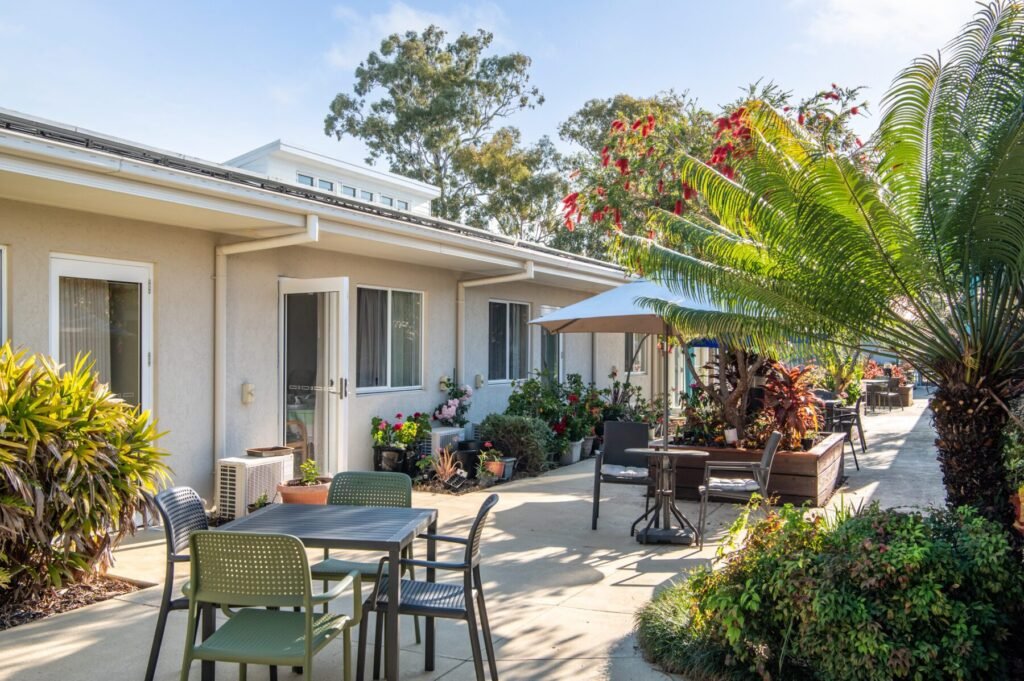
- Connecting to Community: Encouraging residents to participate in daily life
7. Real-Life Benefits of Good Residential Care
- Peace of Mind: Families know loved ones are safe, cared for, and active in community
- Enhanced Quality of Life: Daily routines, social engagement, nutritious meals, and medical support all add up
- Reduced Caregiver Strain: Carers can rest or reconnect with their own lives
- Positive Resident Experience: People thrive in environments that feel like home rather than an institution
8. How to Start the Journey (Step by Step)
- Reflect on Needs: Take note of assistance required, social interests, and budget comfort zone
- Research Local Facilities: Prioritise accredited providers with strong reputations
- Visit and Observe: Tour with purpose—notice how residents and staff interact
- Ask the Right Questions: About staffing, funding, policies, safety, and daily life
- Check Funding Options: Eligibility for Home Care Packages or Residential Care subsidies
- Plan a Trial Stay: Spending a few nights can reveal comfort and compatibility
- Transition Support: Coordinate with SADC or care partners to ease the move and settle in
- Ongoing Reviews: Reassess satisfaction and wellbeing every few months
9. Why SADC Disability Services Supports Your Choice
- Holistic Guidance: Practical strategy together with emotional support
- Local Expertise: Deep understanding of Sydney’s aged care sector and how needs evolve
- Client Advocacy: We help families navigate admission paperwork and advocate for tailored care
- Continuity of Care: We can continue supportive home or community-based services for post-residential connections
Conclusion: Home Is Where Care Meets Comfort
Residential aged care in Sydney doesn’t have to mean surrender. It can mean stepping into a supportive, enriching environment—one where safety, companionship, and independence are preserved respectfully and warmly.
SADC Disability Services is here to help you navigate this decision with clarity, compassion, and confidence—so you or your loved one can find a place that truly feels like home.
Frequently Asked Questions (FAQs)
General Information
- What are residential aged care facilities?
Residential aged care facilities are homes that provide 24/7 support, personal care, medical assistance, meals, and social activities for older adults who can no longer live independently. - Who can access residential aged care in Sydney?
Anyone who requires assistance with daily living, medical needs, or social support due to age-related conditions or disabilities can access aged care facilities, following an eligibility assessment. - How do I know if residential aged care is the right choice?
It may be the right choice if home care no longer meets safety or medical needs, or if family carers require ongoing relief. - Does SADC Disability Services operate aged care homes?
SADC Disability Services provides guidance, planning, and support for families in selecting suitable aged care facilities in Sydney but does not directly operate them. - What makes a good aged care facility?
A good facility prioritises safety, personalised care, qualified staff, meaningful social engagement, cultural inclusivity, and transparent pricing.
Services and Care
- What type of care is provided in residential aged care?
Care includes personal assistance, meals, nursing, medication management, recreational activities, and emotional support. - Are medical professionals available on-site?
Yes, quality facilities provide access to nursing staff and arrange visits from GPs and allied health professionals. - Can residents continue seeing their own doctors?
In most cases, yes. Many facilities work with external GPs and specialists to ensure continuity of care. - What are lifestyle programs in aged care?
These are daily activities designed to promote mental, physical, and social wellbeing—such as music therapy, gentle exercise, or craft groups. - How are meals managed for residents?
Facilities provide nutritious, balanced meals and cater to dietary preferences, allergies, and cultural requirements.
Accommodation
- What accommodation types are available?
Options include private rooms, shared rooms, and sometimes suites, often with ensuite bathrooms and access to communal spaces. - Can residents personalise their rooms?
Yes, most facilities encourage residents to bring personal items like photos, small furniture, or decorations to create a homely environment. - Are pets allowed in aged care facilities?
Some facilities allow small pets or organise pet therapy visits to support emotional wellbeing. - What safety features should a facility have?
Features include non-slip floors, handrails, emergency call systems, secure entries, and trained staff on site 24/7. - Are visitors welcome anytime?
Most facilities allow flexible visiting hours, though some may have guidelines for safety or health reasons.
Costs and Funding
- How much does residential aged care cost in Sydney?
Costs vary based on room type, level of care, and services. Fees may include accommodation, daily living costs, and care charges. - Is government funding available?
Yes. Eligible residents may receive funding through the Australian Government’s aged care programs. - Does SADC help with funding applications?
Yes, SADC Disability Services assists families in understanding eligibility, completing assessments, and navigating funding pathways. - Are there additional fees for lifestyle activities?
Some specialised programs may carry extra fees, while others are included in standard care packages. - What payment options are available?
Facilities usually accept direct debit, pension contributions, or a combination of government subsidies and private payments.
Transitioning to Residential Care
- How do I start the process of entering aged care?
Begin with an aged care assessment to determine eligibility, followed by researching and visiting potential facilities. - Does SADC assist with the transition process?
Yes, SADC offers guidance on assessments, facility comparisons, paperwork, and settling into a new care environment. - Can residents trial a stay before committing?
Some facilities offer respite stays or short-term accommodation to help residents and families decide. - How long does admission take?
Timelines depend on availability, assessment approvals, and personal circumstances, but planning ahead helps avoid delays. - What emotional support is provided during transition?
Facilities often provide counselling, social support, and family meetings to ensure a smooth adjustment.
Quality and Safety
- How are aged care facilities regulated?
In Australia, facilities must meet the Aged Care Quality Standards and are regularly monitored for compliance. - How is resident safety maintained?
Through trained staff, emergency systems, risk assessments, and infection-control procedures. - Are care plans personalised?
Yes, each resident receives an individual care plan tailored to their health, lifestyle, and emotional needs. - How often are care plans reviewed?
Plans are regularly reviewed and updated, especially after any changes in health or preferences. - What staff-to-resident ratio is ideal?
While ratios vary, a good facility ensures adequate staffing to provide personalised attention.
Lifestyle and Wellbeing
- Do residents have access to outdoor areas?
Most facilities offer gardens, courtyards, or balconies for fresh air and leisure. - Are social outings organised?
Yes, many facilities plan trips to parks, cafes, community centres, and cultural events. - What kind of entertainment is provided?
Options may include live music, movies, art classes, games, or themed social gatherings. - Are spiritual needs accommodated?
Facilities often provide spaces for worship or arrange visits from spiritual leaders of different faiths. - Is mental health support available?
Yes, counselling and mental wellbeing programs are commonly part of holistic care.
Family and Community Engagement
- How involved can families be in care decisions?
Families are encouraged to participate in care planning meetings and provide input into daily routines. - Are family events hosted at the facility?
Many facilities host seasonal celebrations, barbecues, and special events for families and residents. - Can residents maintain community connections?
Yes, outings, visitor programs, and digital communication help residents stay connected. - Does SADC support culturally diverse communities?
Yes, SADC ensures cultural preferences and language needs are respected when recommending care options. - Why choose SADC for aged care guidance?
Because SADC offers compassionate support, expert advice, and personalised pathways to help families find the best residential care in Sydney.
Get in touch
91 Belmore Rd, Riverwood NSW 2210
1300 242 492
SADC disability services